
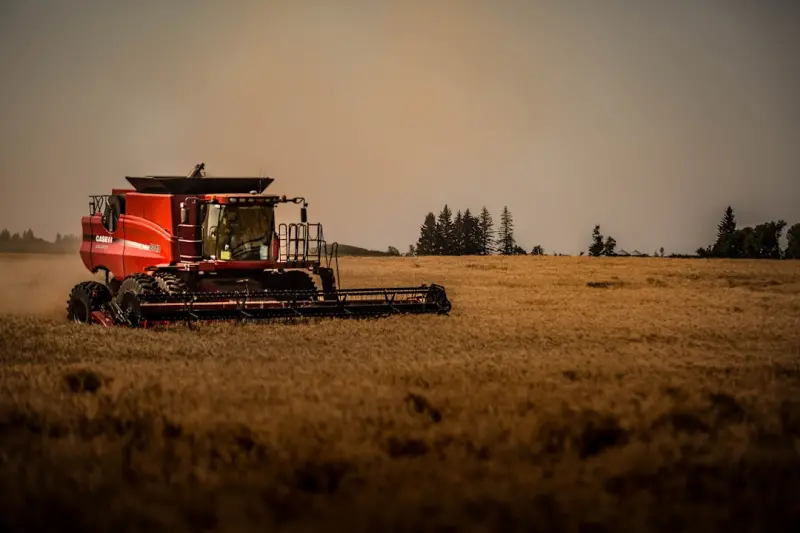
From Fields to Festivals: Canadian Farmers Embrace Agri‑Tourism
When I first stepped onto my grandparents’ farm in the Annapolis Valley, the scent of freshly turned soil and the distant hum of bees were the only “entertainment” on offer. Fast‑forward a few decades, and the same patch of earth now hosts weekend markets, pumpkin‑patch picnics, and even a small‑scale vineyard tour. The transformation didn’t happen by accident; it’s the result of a quiet revolution where Canadian farmers are inviting the public into the very heart of agriculture. This shift isn’t just about supplemental income—it’s reshaping community ties, redefining the farmer’s role, and planting the seeds for a more resilient rural economy.
Historically, the farm was a place of production, not presentation. Yet the modern consumer craves authenticity and a story behind every carrot, every piece of cheese, every bottle of maple syrup. Agri‑tourism bridges that gap, turning curiosity into experience and experience into loyalty. For many producers, the decision to open their doors was motivated by the desire to diversify revenue streams, especially after facing volatile commodity prices and unpredictable weather patterns. By offering farm‑stays, pick‑your‑own orchards, and interactive workshops, they create additional cash flow that isn’t tied to the fickle market cycles of crops and livestock.
One of the most compelling advantages of agri‑tourism is its power to educate. Visitors leave with a deeper appreciation for the labor, stewardship, and innovation that underpins our food system. This educational component also dovetails with broader sustainability goals. When guests understand the carbon footprint of a locally grown tomato versus an imported one, they’re more likely to support farm‑direct purchases, reducing food miles and supporting local ecosystems. In this way, agri‑tourism becomes a catalyst for a more informed and environmentally conscious consumer base.
Of course, turning a working farm into a destination requires more than just a welcome mat. Farmers must navigate zoning regulations, health and safety standards, and liability considerations. Many provinces now offer resources and grants specifically for agricultural diversification, making the transition smoother. For instance, the Ontario Ministry of Agriculture, Food and Rural Affairs provides funding for infrastructure upgrades that accommodate visitors, such as parking lots, signage, and accessibility features. Leveraging these programs can ease the financial burden and accelerate the development of a visitor-friendly environment.
Technology plays a surprisingly subtle but vital role in this evolution. While some may associate agri‑tourism with rustic charm, behind the scenes, digital tools help manage bookings, track visitor feedback, and market experiences to the right audience. A recent case study highlighted how data‑driven farming success stories have extended beyond crop yields to include visitor analytics, enabling farms to fine‑tune their offerings based on real‑time demand. Simple platforms like online reservation systems and social media scheduling can dramatically increase visibility and streamline operations, freeing farmers to focus on the guest experience rather than administrative headaches.
Beyond the financial and educational benefits, agri‑tourism can rejuvenate rural well‑being. Communities that once faced youth outmigration are now witnessing a resurgence of local pride as farms become cultural hubs. Seasonal events—think maple‑syrup festivals in Quebec, sunflower walks in Saskatchewan, or berry‑picking weekends in British Columbia—draw families from nearby towns and even distant urban centers. These gatherings foster a sense of belonging and create networking opportunities for local artisans, chefs, and small businesses. The ripple effect can lead to new collaborations, such as farm‑to‑table pop‑up restaurants or joint marketing campaigns that amplify the region’s culinary identity.
It’s important to acknowledge that not every farm is suited for large‑scale tourism. The scale and type of agritourism must align with the farm’s capacity, values, and long‑term vision. Some producers opt for low‑key experiences, such as offering a farm‑fresh brunch on Saturday mornings, while others develop multi‑day retreats featuring workshops on regenerative soil practices, cheese‑making, or heritage grain baking. The key is to find a sweet spot where visitor interaction complements, rather than disrupts, core agricultural operations.
In recent years, there’s also been a rise in collaborative agri‑tourism networks. By banding together, neighboring farms can create “tour trails” that showcase a diversity of products and experiences within a single region. These alliances amplify marketing reach, distribute visitor traffic more evenly, and encourage cross‑selling. A traveler might start the day picking apples at one orchard, then head to a nearby dairy farm for a cheese‑making demonstration, and finish with a sunset wine tasting at a boutique vineyard. Such itineraries turn a simple farm visit into an immersive regional adventure.
One particularly innovative model is the integration of Indigenous knowledge and storytelling into agri‑tourism. Several farms across the country have partnered with local First Nations to offer cultural workshops that highlight traditional planting methods, medicinal plant uses, and the spiritual connection to the land. These collaborations not only enrich the visitor experience but also honor Indigenous stewardship of the land—a narrative that is increasingly resonant with today’s socially conscious travelers.
While the benefits are clear, challenges remain. Seasonal fluctuations can create uneven cash flow, and weather unpredictability can affect outdoor events. To mitigate these risks, many farmers are diversifying the types of experiences they offer—indoor cooking classes during the rainy season, virtual farm tours during off‑peak months, or even year‑round farm‑store operations that sell preserved goods and handcrafted items. Flexibility and adaptability become essential traits for any farmer venturing into the tourism space.
Marketing is another critical piece of the puzzle. In a crowded digital landscape, standing out requires authentic storytelling and strategic outreach. Content that showcases the farm’s heritage, the hands‑on activities available, and the personal connections guests can make tends to perform best. Highlighting unique selling points—such as heirloom varieties, sustainable practices, or a farm’s historical significance—can differentiate one destination from another. Leveraging social media influencers who specialize in travel, food, or sustainability can also expand reach, especially among younger demographics.
Financially, the return on investment for agri‑tourism can be impressive when managed wisely. A modest entry fee for a guided orchard tour, combined with sales of fresh produce and value‑added products, can generate margins that outpace traditional crop sales alone. Moreover, the ancillary revenue streams—like on‑site cafés, gift shops, and accommodation—create multiple touchpoints for monetization. However, it’s essential for farmers to conduct thorough cost‑benefit analyses, accounting for capital expenditures, ongoing maintenance, and potential liability insurance premiums.
Looking ahead, the future of Canadian agri‑tourism appears bright, buoyed by a growing consumer appetite for authentic, localized experiences. As climate change continues to reshape agricultural practices, farms that can demonstrate resilience through diversified income streams will be better positioned to weather the uncertainties ahead. By inviting the public onto their land, farmers are not only securing their financial futures but also cultivating a new generation of food‑savvy citizens who value the hard work behind every harvest.
In my own journey from farm‑hand to storyteller, I’ve seen firsthand how a simple invitation—“Come see how we grow your food”—can transform a community. Whether you’re a farmer contemplating the next step, a traveler seeking a deeper connection to the land, or a policymaker interested in sustainable rural development, agri‑tourism offers a compelling path forward. The fields are open, the stories are waiting, and the doors are ready to welcome you.

Related Posts

Beyond the Harvest: Nurturing Mental Health in Canadian Farming
A deep dive into the mental‑health challenges of Canadian farmers, revealing how community network... Read More
How Canadian Farmers Are Reimagining Direct‑to‑Consumer Sales
A farmer’s personal journey reveals how direct‑to‑consumer models are reshaping Canadian agric... Read More
Harvesting Insight: How Canadian Farmers Are Building Data Cooperatives
Canadian farmers are forming data cooperatives that keep information on the farm, foster collaborati... Read More
Top Posts

Sailing the Open Road: Why Hybrid Cruise‑Bus Adventures Are the Next Travel Frontier
Explore the rising trend of hybrid cruise‑bus adventures, where sea breezes meet open‑road charm, offering richer experiences, smarter budgeting, and sustai...Read More

Unlocking Hidden Savings: A Playbook for Smarter SaaS Spending
Learn how to turn deal‑hunting into a strategic advantage with a three‑pillar framework—consolidation, value‑based negotiation, and usage optimizationâ€...Read More

Fermented Foods: The Unexpected Ally for Modern Professionals
Fermented foods offer a low‑effort, high‑impact way to boost gut health, immunity, and mental clarity—perfect for busy professionals seeking sustainable n...Read More

Beyond the Spotlight: Crafting a Purpose‑Driven Prom and Graduation Experience
Discover how to turn your prom and graduation into a purpose‑filled event with eco‑friendly fashion, seasonal menus, and community‑focused celebrations th...Read More
0 Comments
Post Comment
You will need to Login or Register to comment on this post!