
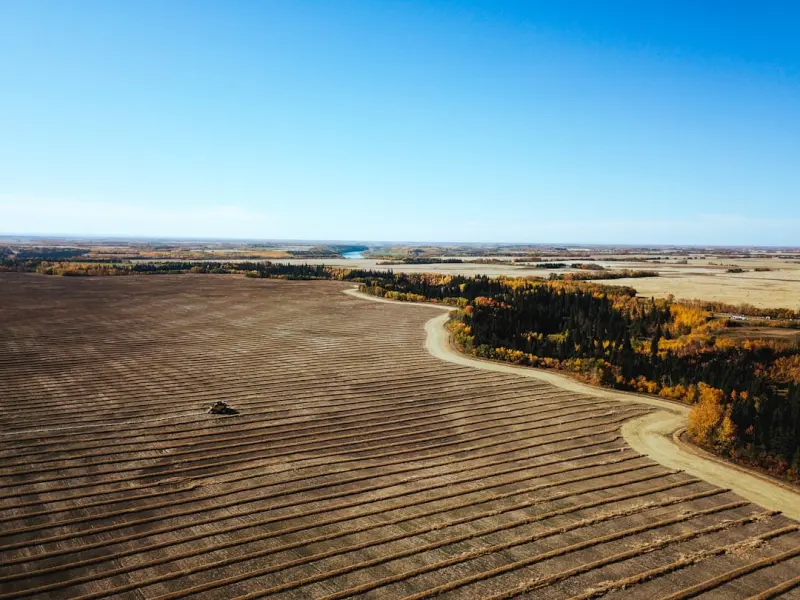
Why Renewable Energy Is No Longer Optional for Canadian Farms
Across the vast grain belts of Saskatchewan, the rolling orchards of the Okanagan, and the mixed‑crop farms of New Brunswick, the conversation has shifted from “if we can afford renewable tech” to “how quickly can we integrate it before climate volatility erodes our yields and bottom lines,” and this urgency is being felt not just in boardrooms but in the mud‑splattered boots of the growers who wake before dawn to tend to rows that have survived the harshest winters on record; the convergence of rising diesel costs, unpredictable weather patterns, and a growing consumer demand for carbon‑neutral produce means that the traditional reliance on fossil fuels is becoming a strategic liability that threatens both profitability and community trust. Investing in solar panels, wind turbines, and on‑farm bioenergy systems is now being framed as a resilience strategy, a way to lock in energy costs, and a tangible proof point for market differentiation that can command premium prices at farm‑to‑table outlets.
The Solar Surge Across the Prairies
What began as a handful of experimental installations on flat‑top barns has blossomed into a coordinated network of community‑owned solar farms that dot the horizon from Moose Jaw to Lloydminster, and the technology has become so modular that even a modest 5‑hectare mixed vegetable operation can now install a 250‑kilowatt array that supplies 80 % of its daytime electricity needs, while excess generation is fed back into the provincial grid for credits that appear on the farmer’s monthly utility statement like a silent dividend; this model is especially powerful in regions where grid reliability has historically been a seasonal concern, and the ability to store surplus power in lithium‑ion or flow batteries ensures that night‑time irrigation pumps and climate‑controlled storage facilities remain operational without a single drop of diesel. The financial math, when spread over a 20‑year depreciation schedule, often shows a return on investment in under ten years, a timeline that aligns perfectly with generational land‑transfer plans and the desire to leave a sustainable legacy for the next steward.
Wind Turbines: From Hobby Farm to Power Hub
In the wind‑swept corridors of the Atlantic provinces, a growing number of family farms are erecting mid‑size turbines that blend seamlessly with silos and grain elevators, and the kinetic energy harvested is not merely offsetting electric bills but actively powering on‑site grain dryers, livestock ventilation systems, and even the refrigerated trucks that shuttle produce to nearby processing plants; the synergy between wind generation and existing farm infrastructure is amplified by smart inverters that can balance load, mitigate voltage spikes, and communicate with regional utilities to provide ancillary services such as frequency regulation, a capability that historically was the exclusive domain of large‑scale power producers. Partnerships with local colleges and the province’s clean‑energy funds have lowered the capital barrier, allowing a 30‑meter turbine to be financed through a mix of grant money, low‑interest loans, and a power‑purchase agreement that guarantees a fixed price per kilowatt‑hour for the first fifteen years, creating a predictable cash flow that can be reinvested into soil health programs or diversified crop trials.
Biomass and Biofuel: Turning Crop Residues into Gold
Every harvest leaves behind a staggering amount of straw, stalks, and husks that traditionally have been either burned in the field—contributing to air‑quality concerns—or hauled to distant processing facilities at a cost that erodes profit margins; innovative on‑farm anaerobic digesters now capture the methane produced from this organic waste, converting it into a clean, high‑grade bio‑fuel that can run farm generators, heat greenhouses, or be sold to neighboring municipalities seeking renewable gas credits, and the residual digestate emerges as a nutrient‑rich fertilizer that reduces the need for synthetic inputs, closing the nutrient loop in a way that aligns with regenerative agriculture principles. In regions like the Niagara Peninsula, growers have formed cooperative bioenergy hubs where multiple farms pool their residues, achieving economies of scale that make the technology viable even for operations with less than 50 hectares of arable land, and the collective bargaining power of these cooperatives also secures better feed‑in tariffs and carbon‑offset pricing from provincial programs.
Community Microgrids: Powering Rural Schools and Clinics
When the lights flickered out during a late‑summer storm in a remote Newfoundland community, the local school and health clinic were forced to rely on diesel generators that sputtered and stalled, prompting a coalition of nearby dairy farms to pitch a solution: a microgrid that blends solar, wind, and stored bio‑energy to provide uninterrupted power to critical public services; the farms contributed excess generation capacity and battery storage, while the municipality offered land for a modest sub‑station and facilitated the regulatory approvals required for interconnection, creating a resilient energy ecosystem that reduces emergency fuel deliveries and ensures that telehealth consultations—vital in sparsely populated areas—can proceed without interruption. This collaborative model echoes the principles outlined in the province’s Canada’s Health System: A Community‑First Blueprint, illustrating how energy security and health outcomes are intertwined and how agricultural stakeholders can become pivotal partners in regional resilience.
Financial Incentives and Policy Landscape
Provincial ministries have rolled out a suite of incentive programs that stack rebates, tax credits, and carbon‑offset revenues, making the financial calculus for renewable adoption decidedly more attractive, and recent adjustments to the federal carbon pricing framework now allocate a portion of the revenue directly to farmers who can demonstrate verifiable reductions in greenhouse‑gas emissions through on‑site generation; the result is a policy environment where a farmer can claim a capital cost allowance for solar panels in the first year, receive a per‑kilowatt‑hour rebate for wind output, and monetize the captured methane from an anaerobic digester as a tradable credit, all while maintaining eligibility for traditional agricultural subsidies. The interplay between these incentives and broader market forces such as the tariff shifts affecting imported fertilizers and equipment creates a strategic imperative for growers to align capital expenditures with sustainability goals, ensuring that every dollar spent on clean tech also cushions the operation against volatile input costs.
Stories From the Field: Farmers Who’ve Made the Switch
Take the story of a third‑generation wheat farmer in the Palliser’s Triangle who installed a 500‑kilowatt hybrid system that couples solar arrays with a 2‑megawatt wind turbine, and within three harvest seasons reported a 45 % reduction in diesel usage for grain drying, a 30 % cut in electricity expenses, and a new revenue stream from selling surplus power during peak demand periods; his farm now serves as a demonstration site for neighboring producers, hosting open‑house tours that showcase the real‑world performance data and the step‑by‑step financing roadmap that helped him overcome the initial capital hurdle. Another example comes from a family orchard in the Okanagan that turned its orchard floor litter into a biogas plant, generating enough renewable natural gas to fuel the farm’s delivery trucks and providing a carbon‑negative profile that has attracted premium buyers in the organic market; their journey is featured in Beyond the Fields, illustrating that the convergence of technology, community support, and market differentiation can rewrite the narrative of what a Canadian farm looks like in the 21st century.
Challenges and the Road Ahead
Despite the clear benefits, several hurdles remain: the upfront capital outlay, the need for technical expertise to design and operate hybrid systems, and the regulatory complexities of interconnecting to the grid, especially in remote northern territories where transmission infrastructure is sparse; furthermore, the seasonal nature of solar and wind generation demands robust storage solutions, and while battery costs have fallen dramatically, the economics of scaling storage to meet year‑round farm loads still require careful modeling to avoid under‑utilization or over‑investment. Addressing these challenges will require a coordinated effort among government agencies, research institutions, and the farming community to develop standardized training programs, streamline permitting processes, and foster financing instruments that de‑risk early adopters, ensuring that the momentum built today translates into a nationwide tapestry of energy‑independent farms tomorrow.
How You Can Support Sustainable Canadian Agriculture
Consumers play a pivotal role by prioritizing products that carry renewable‑energy certifications, participating in community‑supported agriculture (CSA) programs that fund on‑farm clean‑tech projects, and advocating for policies that reward low‑carbon farming practices; retailers can amplify this impact by offering price premiums for goods produced on farms that demonstrate a measurable reduction in greenhouse‑gas emissions, while financial institutions can design loan products that tie interest rates to the achievement of specific sustainability milestones, creating a virtuous cycle where market demand, capital access, and environmental stewardship reinforce each other. By championing these initiatives, we collectively ensure that Canada’s agricultural heartland not only feeds the nation but also powers it with clean, resilient energy for generations to come.

Related Posts
From Fields to Experiences: How Canadian Farmers Are Turning Their Land into Destination Adventures
Explore the rise of agri‑tourism in Canada, where farms become immersive destinations offering han... Read More
From the Furrow to the Future: A Canadian Farmer’s Perspective on Resilience and Growth
Tracie Higgins shares a firsthand look at the challenges and innovations shaping Canadian farms, fro... Read More
The Struggles and Triumphs of Canadian Farmers
Canadian farmers play a vital role in the country's economy, but they face a multitude of challenges... Read More
Top Posts

When Parenting Meets Tech: A Cautionary Tale for Modern Families
A candid look at the hidden dangers of tech in parenting and practical steps to protect kids in a hyper‑connected world....Read More

Smart, Sustainable Prom & Graduation Planning Guide
A comprehensive guide that blends budget-conscious SaaS tools, sustainable fashion, data‑driven catering, inclusive practices, and simple tech enhancements to...Read More

National Data Commons: A Blueprint for Shared Public Datasets in Canada
A national data commons could democratize access to high‑value datasets, supporting SMEs, remote communities, and policymakers while respecting Indigenous sov...Read More

Unlocking the Power of Micro‑Movements: Tiny Habits for Big Health Wins
Learn how tiny, intentional actions called micro‑movements can create lasting health improvements, reduce stress, and fit seamlessly into even the busiest dai...Read More
0 Comments
Post Comment
You will need to Login or Register to comment on this post!