
From the Field to the Cloud: How Canadian Farmers Are Turning Data Into a Competitive Edge
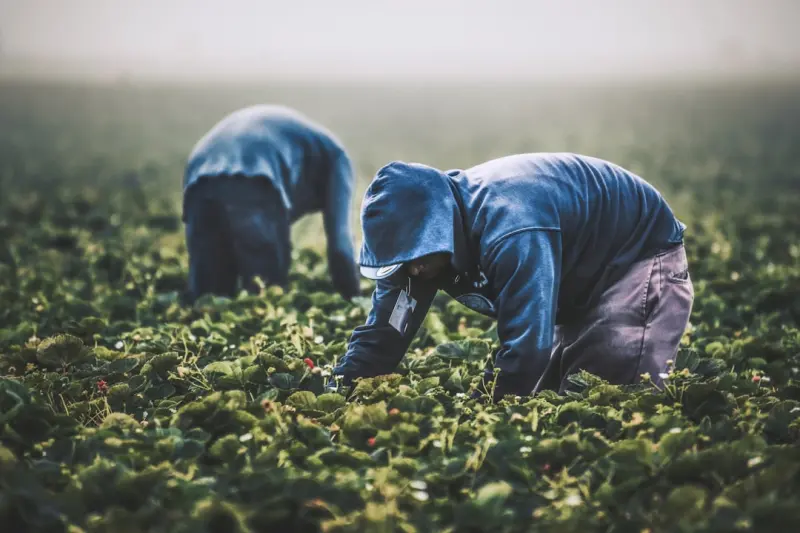
When I first set foot on my grandfather’s wheat field in the Palliser’s Triangle, the only “cloud” I knew was the one that rolled over the prairies at sunset. Fast‑forward a few decades, and the same horizon is now dotted with satellites, drones, and a steady stream of real‑time data that’s reshaping how we grow, sell, and protect our food. Canadian farmers are no longer isolated stewards of the land; we’re becoming data‑savvy entrepreneurs who harness technology to outmaneuver climate volatility, market fluctuations, and labor shortages.
The Data Dilemma: Why Individual Farms Need a Collective Voice
Our farms vary dramatically in size—from 5‑hectare family plots in New Brunswick to sprawling 10,000‑hectare operations in Saskatchewan. Yet each produces a torrent of information: soil moisture readings, yield maps, fertilizer application logs, and even weather forecasts. Historically, this data sat on isolated laptops or was lost in handwritten ledgers. The result? Missed opportunities for efficiency, higher input costs, and an inability to prove the true value of sustainable practices to buyers.
The solution? A farmer‑led data cooperative that aggregates anonymized farm data, turning it into a powerful bargaining chip. By pooling our numbers, we can negotiate better rates for seeds, secure premium prices for carbon credits, and even influence policy decisions. The concept mirrors the emerging National Data Trusts model, but with a focus on agriculture.
- Scale through aggregation: Smallholders gain the analytical muscle of large agribusinesses.
- Transparency for buyers: Retail chains can verify sustainable practices without invasive audits.
- Policy leverage: Collective data speaks louder to regulators than a single farm’s anecdote.
Precision Agriculture: Sensors, Satellites, and the Sweet Spot of Input Management
Precision agriculture isn’t a buzzword; it’s a day‑to‑day reality for many of us. Soil sensors buried at 15‑centimeter depth relay moisture levels every fifteen minutes. Drone fly‑overs produce multispectral images that reveal nitrogen deficiencies before a leaf even turns yellow. Satellite constellations, such as the Canadian RADARSAT series, deliver sub‑meter resolution imagery that helps us predict frost events weeks in advance.
When these data streams converge in a single dashboard, the benefits are striking:
- Reduced input costs: Variable‑rate technology (VRT) applies fertilizer only where it’s needed, cutting usage by up to 20%.
- Yield gains: Early detection of stress factors can boost yields by 5‑10%.
- Environmental stewardship: Less runoff means healthier waterways and stronger compliance with provincial regulations.
Yet, the technology alone isn’t enough. Farmers must interpret the data correctly, which is where local extension services and peer‑to‑peer knowledge exchanges become invaluable.
Turning Waste Into Wealth: Closing the Loop on Farm By‑Products
Every harvest generates residues—straw, husks, and imperfect produce that traditionally end up as low‑value feed or, worse, landfill material. Today’s farms are reimagining these streams as raw material for high‑value products. For instance, wheat straw can be pulped into biodegradable packaging, while apple pomace from orchard culls can be transformed into nutritious animal feed or even functional food ingredients.
The movement aligns closely with the principles showcased in Zero‑Waste Gourmet, proving that culinary creativity can inspire agricultural innovation. By partnering with local processors and start‑ups, farmers capture additional revenue, reduce disposal costs, and contribute to a circular economy that resonates with environmentally conscious consumers.
Agritourism 2.0: Experiences That Pay the Bills and the Soil
While traditional farm stays have been a staple in regions like Prince Edward Island, a new wave of agritourism is emerging—one that blends technology with storytelling. Imagine a visitor using an augmented‑reality app to see a 3‑D visualization of the soil profile beneath their feet, or a farmer‑led webinar where participants learn how drone data drives planting decisions.
These experiences not only diversify income but also educate the public about the complexities of modern farming. By showcasing data‑driven sustainability, farms can attract premium visitors who are willing to pay for authenticity and insight. This approach dovetails with broader trends in experiential travel and could be a catalyst for stronger community ties.
Carbon Farming: Monetizing Climate Action
Canada’s commitment to net‑zero emissions has opened a lucrative market for carbon credits derived from agricultural practices. No‑till planting, cover cropping, and managed grazing all sequester carbon in the soil. However, quantifying that sequestration requires robust measurement, reporting, and verification (MRV) protocols—a perfect use case for our data cooperatives.
When farms collectively submit verified carbon data, they can negotiate higher prices on emerging carbon marketplaces. Early adopters report additional annual revenues ranging from $10 to $30 per hectare, a figure that can make a meaningful difference for marginal operations.
The Human Element: Mental Health, Community, and the Farmer’s Identity
Data and technology are powerful, but they cannot replace the human side of farming. The mental health challenges faced by Canadian growers—loneliness, financial stress, and the pressure of unpredictable weather—are real and pervasive. By fostering collaborative networks, farmers can share not just data but also coping strategies and support systems.
Local farmer circles, virtual meet‑ups, and mentorship programs are emerging as essential safety nets. When we talk about “smart farming,” the smartest move is to remember that our people are the most valuable asset.
Policy Recommendations: What We Need From Government and Industry
To sustain this momentum, a few policy levers must be pulled:
- Funding for broadband expansion: Reliable internet is the backbone of real‑time data transmission.
- Incentives for data‑sharing platforms: Tax credits for farms that contribute to cooperative data pools.
- Support for carbon MRV infrastructure: Grants for third‑party verification services that are affordable for smallholders.
- Education and training: Partnerships with colleges to embed precision‑ag curricula.
When policymakers align incentives with the realities on the ground, Canada can become a global leader in data‑enhanced, climate‑resilient agriculture.
Looking Ahead: The Next Frontier for Canadian Farmers
Our journey from dirt‑covered boots to cloud‑based dashboards is still unfolding. The next milestones will likely include:
- AI‑driven predictive models that forecast pest outbreaks weeks before they happen.
- Fully automated farms where robotics handle planting, weeding, and harvest under human supervision.
- Inter‑provincial data exchanges that standardize sustainability metrics across the country.
What remains constant is the spirit of ingenuity that has defined Canadian agriculture for generations. By embracing data, collaboration, and innovation, we’re not just surviving the challenges of the 21st century—we’re shaping a more profitable, sustainable, and resilient future for every farmer from the Maritimes to the Rockies.

Related Posts

Renewable Energy: Powering the Future of Canadian Family Farms
Canadian farmers are turning to solar panels, wind turbines, and biogas to cut energy costs, generat... Read More

Community, Resilience, and Tech for Canadian Farmers
Canadian farmers are reshaping agriculture by building cooperatives, prioritizing mental health, and... Read More
How Canadian Farmers Are Reimagining Direct‑to‑Consumer Sales
A farmer’s personal journey reveals how direct‑to‑consumer models are reshaping Canadian agric... Read More
Top Posts

Reclaiming Your Health: The Power of a Digital Detox
Learn why constant screen time harms your health and how simple digital‑detox strategies can restore focus, improve sleep, and boost overall wellbeing....Read More

Canada’s Live‑Performance Scene Thrives Digitally
Canada’s live‑performance sector is undergoing a renaissance, blending in‑person shows with livestreams, community hubs, and innovative funding to create ...Read More

Fermented Flavors: How Home Fermentation is Redefining Modern Kitchens
Discover how home fermentation transforms everyday ingredients into flavorful, probiotic-rich foods, fostering sustainability, community connections, and culina...Read More
Edible Packaging: Turning Waste Into Flavorful Food Wraps
Explore the rise of edible packaging—from seaweed cups to herb‑infused wraps—and learn how it can cut waste, enhance taste, and reshape the future of food...Read More
0 Comments
Post Comment
You will need to Login or Register to comment on this post!