

Unlocking the Power of Food Pairing: A Fresh Take on Everyday Nutrition
When I first started experimenting with my own meals, I quickly realized that nutrition isn’t just about piling on kale or counting calories. It’s about how foods interact, how flavors complement each other, and how those combinations can supercharge your health. This isn’t a trendy buzzword‑filled diet; it’s a science‑backed approach that lets you build meals that are both delicious and nutrient‑dense, without the overwhelm.
Why Food Pairing Matters
Think of your plate as a tiny ecosystem. Each ingredient brings its own set of vitamins, minerals, phytonutrients, and antioxidants. When paired thoughtfully, these components can enhance absorption, balance blood sugar, and support gut health. For example, pairing vitamin‑C‑rich bell peppers with iron‑laden spinach dramatically improves iron uptake—a classic synergy that most of us overlook in everyday cooking.
Three Core Principles to Guide Your Pairings
- Complementary Nutrients: Pair foods that fill each other’s nutritional gaps. Pair healthy fats with fat‑soluble vitamins (A, D, E, K) to boost absorption.
- Flavor Harmony: Balance sweet, salty, sour, bitter, and umami. A well‑rounded flavor profile makes meals satisfying, reducing cravings for junk food later.
- Gut‑Friendly Pairings: Include prebiotic fibers (like onions, garlic, and leeks) with probiotic foods (yogurt, kefir, or fermented veg). This combo feeds good bacteria and keeps your digestive system humming.
Building a Week‑Long Meal Blueprint
Here’s a step‑by‑step plan to create a week of nutrient‑packed meals that feel effortless:
- Start With a Base Protein: Choose versatile proteins—chickpeas, tofu, salmon, or lean chicken breast. Cook a large batch, season lightly, and store in the fridge.
- Choose Two Complementary Veggies Per Day: Aim for one high‑fiber, low‑calorie veggie (zucchini, broccoli, cauliflower) and one colorful, antioxidant‑rich veggie (red bell pepper, carrots, beet).
- Add a Healthy Fat Source: A drizzle of olive oil, a handful of nuts, or a slice of avocado does the trick.
- Finish With a Flavor Booster: Fresh herbs, citrus zest, or a splash of fermented sauce (think kimchi juice or miso paste) adds depth without extra calories.
Spotlight: Fermentation Basics for Everyday Health
Fermented foods are a powerhouse for gut health, providing live cultures that support digestion and immunity. If you’ve never tried making your own, start small. A jar of sauerkraut or a batch of kimchi can be ready in just a few days. Not only do these foods add a tangy punch to salads and grain bowls, but they also bring a natural source of probiotics to your diet. Need a quick guide? Check out our fermentation basics article for step‑by‑step instructions.
Seasonal Pairings: Harnessing Nature’s Calendar
Seasonal produce isn’t just about freshness; it’s about aligning with the body’s evolving needs. In spring, the earth offers abundant greens and sprouts—perfect for detoxifying and boosting energy. Summer brings bright tomatoes, corn, and berries, which are high in antioxidants and help protect skin from UV damage. Autumn’s root vegetables and squash are rich in beta‑carotene and fiber, supporting immune function as the weather cools. Winter’s cruciferous veggies and citrus fruits supply vitamin C and phytonutrients to fend off seasonal colds.
Sample Day of Strategic Pairings
Below is a sample menu that illustrates how to apply the three core principles across breakfast, lunch, and dinner.
- Breakfast: Greek yogurt topped with sliced kiwi (vitamin C) and a sprinkle of chia seeds (omega‑3s). The vitamin C boosts iron absorption from the seeds, while the probiotics in yogurt support gut health.
- Mid‑Morning Snack: A handful of almonds (healthy fats) and a few dried apricots (fiber and iron). The fats aid in the absorption of the iron from the apricots.
- Lunch: Quinoa bowl with roasted sweet potatoes (beta‑carotene), black beans (protein + iron), avocado (healthy fats), and a squeeze of lime (vitamin C). This combo maximizes iron uptake and balances blood sugar.
- Afternoon Pick‑Me‑Up: A small glass of kefir with a dash of cinnamon. The probiotic kefir supports digestion, and cinnamon helps regulate glucose spikes.
- Dinner: Pan‑seared salmon (omega‑3s) on a bed of sautéed kale (vitamin K) and bell peppers (vitamin C). The vitamin C from the peppers enhances iron absorption from the kale.
- Evening Wind‑Down: A cup of chamomile tea with a square of dark chocolate (antioxidants) and a few fresh strawberries (vitamin C) to round out the day.
Practical Tips for Busy Professionals
Even if you have a packed schedule, these strategies can fit seamlessly into your routine:
- Batch‑Cook on Weekends: Prepare proteins, grains, and roasted veggies in bulk. Store them in portioned containers for quick assembly.
- Use the Freezer Wisely: Freeze pre‑chopped vegetables and cooked legumes. They retain nutrients and save prep time.
- Invest in Multi‑Purpose Tools: A good quality blender, a mandoline slicer, and a reliable food processor can turn raw ingredients into sauces, dips, and quick dressings.
- Keep a “Flavor Kit”: A small stash of herbs, spices, fermented sauces, and citrus zest can instantly elevate a bland dish.
Community Garden Tips: Bringing Fresh Produce to Your Plate
Even if you don’t have a backyard, community gardens are a fantastic way to source fresh, seasonal produce while connecting with like‑minded food enthusiasts. Whether you’re a seasoned gardener or a total novice, start small—perhaps with a raised bed of lettuce and herbs. For more ideas on turning small spaces into thriving food sources, see our community garden tips guide.
Balancing Convenience and Quality
Let’s face it: not every meal can be a culinary masterpiece. The goal is to make the “good enough” meals also “good for you.” Here are a few shortcuts that don’t sacrifice nutrition:
- Pre‑Portioned Snack Packs: Combine nuts, seeds, and dried fruit in zip‑lock bags for on‑the‑go fuel.
- Ready‑Made Fermented Products: Store‑bought sauerkraut, kimchi, and pickles (look for low‑sodium options) are convenient probiotic boosters.
- One‑Pot Wonders: Stews, chilis, and stir‑fries that combine protein, veggies, and whole grains can be prepared in under 30 minutes.
- Smart Use of Canned Goods: Opt for low‑sodium beans, tomatoes, and fish. Rinse beans to reduce sodium, and pair them with fresh veggies for a balanced meal.
Mindful Eating: The Final Piece of the Puzzle
All the perfect pairings in the world won’t help if you eat while distracted. Take a few moments to sit down, breathe, and truly taste each bite. This practice not only improves digestion but also helps you recognize satiety cues, preventing overeating. Over time, mindful eating turns your meals into a form of self‑care rather than a rushed necessity.
Wrapping Up: Your Personalized Food‑Pairing Blueprint
By integrating complementary nutrients, flavor harmony, and gut‑friendly combos into your daily routine, you’ll notice higher energy levels, better digestion, and fewer cravings. Start small—pick one meal a day to experiment with a new pairing, and build from there. Remember, the most sustainable changes are the ones that feel enjoyable and effortless.
Ready to transform your kitchen into a hub of health‑boosting flavor? Dive into the resources above, roll up your sleeves, and let your palate lead the way to a healthier, happier you.

Related Posts
Colorful Bowl Culture: Reinventing Office Snacks for Energy and Focus
A fresh take on office nutrition, this article shows how colorful, whole‑food bowls can replace su... Read More
Smart Snacking Strategies for High‑Performance Professionals
A practical guide to intentional snacking, outlining protein‑fat‑fiber combos, timing tips, and ... Read More
The Secret Ingredients to a Healthier, Happier You
From farm‑to‑fork wisdom to snack hacks, I share my personal playbook for turning everyday meals... Read More
Top Posts
When Sound Becomes the Secret Ingredient in Your Restaurant
A deep dive into why sound matters in restaurants, practical steps to improve acoustics, and emerging tech that turns your dining room into a revenue‑boosting...Read More

The Untapped Power of Community‑Driven Referral Loops for B2B SaaS Growth
Learn why embedding organic referral moments into your product experience, rewarding genuine advocacy, and measuring loop‑specific metrics can transform custo...Read More
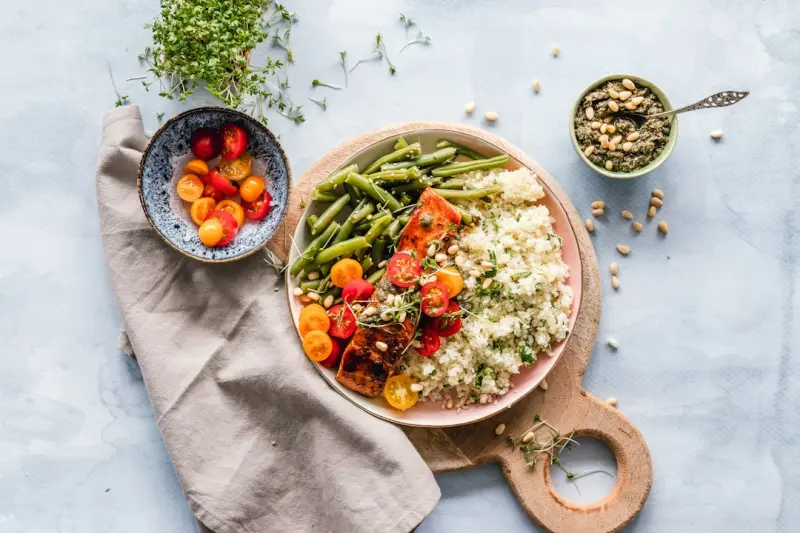
Beyond the Plate: How Mindful Snacks Power Remote Teams
A deep dive into the science of snack nutrition, seasonal produce, and sustainable sourcing shows how remote teams can turn simple desk snacks into powerful too...Read More
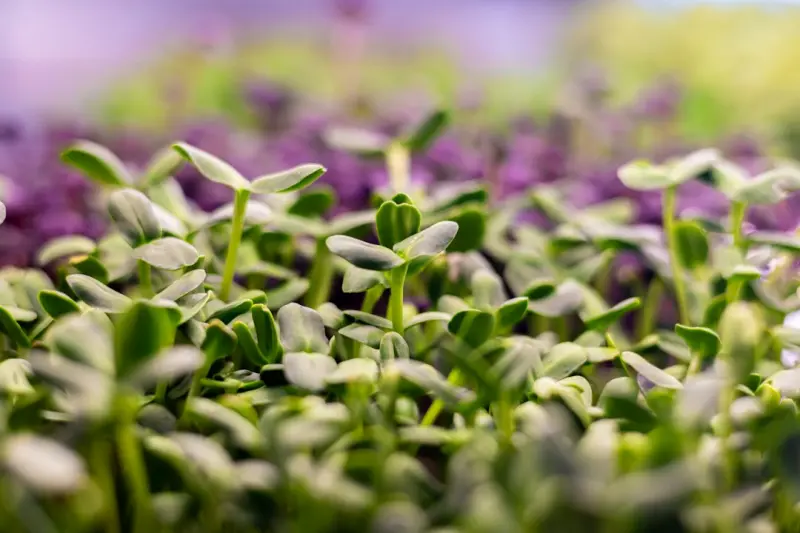
Cultivating Health: How Microgreens Transform Your Daily Nutrition
Microgreens pack a massive nutritional punch in a tiny package, offering a low‑cost, low‑space, and eco‑friendly way to boost daily health. Learn how to g...Read More
0 Comments
Post Comment
You will need to Login or Register to comment on this post!