

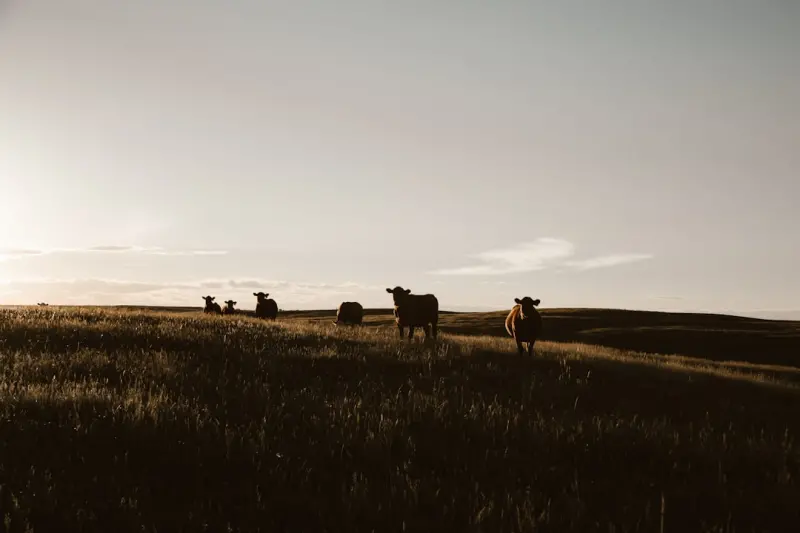
When the sunrise paints the wheat fields of Saskatchewan gold, the hum of a new kind of engine is already at work—quiet, clean, and powered by the very land it tends. Canadian farmers are stepping into a renewable‑energy renaissance, turning barns, silos and even the humble grain elevator into hubs of solar, wind and bio‑energy. This shift isn’t just about cutting fuel costs; it’s about reshaping the economic backbone of rural communities, bolstering climate resilience, and forging a new narrative for agriculture that blends tradition with cutting‑edge technology.
Why Renewable Energy Matters to Canadian Agriculture
For generations, the Canadian farm has been defined by its relationship to the land: the soil, the weather, the seasons. Yet the 21st‑century climate reality demands a broader partnership—one that includes the sun, the wind, and the waste streams that farms generate. Below are three compelling reasons why renewable energy is becoming a non‑negotiable pillar for today’s growers.
- Cost Savings & Predictable Budgets: Diesel‑powered generators are vulnerable to global oil price volatility. Solar panels and wind turbines, once installed, provide near‑zero‑fuel electricity, allowing farmers to lock in predictable operating expenses.
- Carbon Credits & New Revenue Streams: While many readers may recall the carbon‑sequestration boom, renewable installations open a separate avenue: the ability to sell excess power back to the grid or earn renewable energy certificates.
- Energy Independence in Remote Communities: Many northern and prairie farms sit hundreds of kilometres from the nearest transmission line. On‑site generation reduces reliance on costly, sometimes unreliable, grid connections.
Solar Panels: From Roofs to Row‑Crops
Solar technology has leapt forward in efficiency and affordability. A typical 5‑kilowatt residential system, once considered a luxury, now costs under $10,000 CAD after incentives. For a medium‑size grain farm, a 200‑kilowatt array can be installed on the roof of a grain bin or the open space between rows without compromising crop health.
Farmers are embracing two primary models:
- Owned Installations: Capital‑intensive, but eligible for federal and provincial tax credits, these systems deliver the highest long‑term ROI.
- Power Purchase Agreements (PPAs): A third‑party developer installs and maintains the panels; the farmer pays a fixed rate per kilowatt‑hour, often lower than utility rates.
Take the story of a family farm in the Okanagan Valley that installed a 250‑kilowatt solar array on its processing shed roof. Within three years, the farm reduced its electricity bill by 85 % and began feeding surplus energy into the local grid, earning $12,000 annually in credits.
Wind Turbines: Harnessing Prairie Gusts
Canada’s prairie provinces boast some of the world’s most consistent wind corridors. Small‑scale wind turbines, ranging from 10 to 100 kilowatts, can be sited on farm perimeters, turning the natural wind patterns that once threatened crops into a reliable power source.
Key considerations for wind adoption include:
- Zoning & Permit Requirements: Each province has distinct regulations; early engagement with local municipalities smooths the approval process.
- Noise & Wildlife Impact: Modern turbines are designed with quieter blades and bird‑friendly features, mitigating common concerns.
- Hybrid Systems: Pairing wind with solar and battery storage ensures a stable power supply even when one resource dips.
One notable example is a mixed‑grain farm in Manitoba that installed a 30‑kilowatt turbine adjacent to its north‑facing field. The turbine now supplies 40 % of the farm’s electricity, while the remainder is covered by a 100‑kilowatt solar array, creating a resilient micro‑grid.
Biogas: Turning Manure into Power
Manure is a goldmine of methane—a potent energy source when captured correctly. Anaerobic digesters break down organic waste in oxygen‑free environments, producing biogas that can power generators, heat barns, or even fuel farm trucks.
Benefits of biogas systems include:
- Waste Management: Reduces odor, pathogens, and nutrient runoff, improving environmental compliance.
- Renewable Heat: Provides consistent heat for dairy barns during harsh winters without relying on propane.
- Carbon Footprint Reduction: Capturing methane prevents its release into the atmosphere, aligning with Canada’s net‑zero goals.
In a case study from Prince Edward Island, a dairy operation installed a 500‑kilowatt digester that now powers its milking parlors and supplies excess electricity to the local utility, earning $30,000 in annual renewable energy incentives.
Integrating Indigenous Knowledge for Sustainable Energy
Indigenous communities have long practiced stewardship that balances resource use with ecosystem health. Modern farms can learn from these practices, especially when designing renewable projects that respect traditional land uses.
Collaboration between farms and Indigenous groups has yielded innovative solutions—such as co‑managed solar farms that sit on reclaimed land, providing revenue streams for both parties while preserving sacred sites. To explore how Indigenous wisdom can shape technology adoption, see Integrating Indigenous Wisdom.
The Role of Technology Platforms in Energy Management
Renewable installations generate data: output curves, battery health, weather forecasts, and grid pricing signals. Cloud‑based energy‑management platforms—originally built for industrial facilities—are being tailored for agricultural use.
Key features that farmers value:
- Real‑Time Monitoring: Dashboards display solar, wind, and biogas production versus consumption, highlighting savings opportunities.
- Predictive Analytics: AI models forecast energy generation based on weather patterns, allowing proactive load shifting.
- Automated Reporting: Generates compliance documentation for government incentive programs with a single click.
By integrating these platforms, farms can optimize when to store energy in batteries, when to sell back to the grid, and when to draw from the grid—maximizing financial returns.
Supply Chain Resilience: Energy as a Competitive Edge
Energy security directly influences a farm’s ability to meet market demands. Disruptions in power supply can delay planting, harvesting, and processing, jeopardizing contracts. Renewable energy serves as a buffer, enhancing the farm’s reliability within the broader agricultural supply chain.
For a deeper dive into how energy resilience fits into the national picture, refer to National Supply Chain Resilience. The article outlines strategies that can be adapted at the farm level, reinforcing the link between on‑farm power independence and national food security.
Financing Renewable Projects: Navigating Grants and Incentives
The Canadian government offers a suite of programs to accelerate renewable adoption on farms:
- Canada‑EU Green Growth Fund: Provides low‑interest loans for solar and wind projects.
- Agri‑Energy Innovation Program: Grants up to 40 % of capital costs for biogas digesters.
- Provincial Tax Credits: Vary by province; for example, Alberta’s Renewable Electricity Production Incentive.
Successful applicants often bundle multiple funding sources, reducing upfront outlays to as low as 10 % of total project cost. Engaging a specialist consultant can streamline the application process, ensuring compliance with reporting requirements.
Community Impact: Jobs, Education, and Rural Revitalization
Beyond the balance sheet, renewable projects create tangible benefits for rural communities:
- Local Employment: Installation and maintenance of solar arrays and wind turbines generate skilled jobs, often filled by local tradespeople.
- Educational Partnerships: Schools collaborate with farms to develop curricula on clean energy, inspiring the next generation of agri‑tech innovators.
- Energy Co‑ops: Some regions are forming farmer‑owned energy cooperatives, pooling resources to achieve economies of scale and share profits.
These outcomes help counteract the out‑migration trend that has long plagued remote farming towns, fostering a sense of pride and ownership in the community’s sustainable future.
Challenges and How to Overcome Them
While the benefits are compelling, adoption is not without hurdles. Below are the most common challenges and practical solutions.
- Upfront Capital: Leverage PPAs, government grants, and community financing to lower initial costs.
- Technical Expertise: Partner with renewable energy firms that offer training packages for farm staff.
- Regulatory Complexity: Work with local municipalities early; many provinces have streamlined processes for agricultural renewable projects.
- Grid Integration Issues: Invest in smart inverters and battery storage to manage intermittency and meet utility interconnection standards.
Looking Ahead: The Future Landscape of Canadian Farming
Imagine a typical Canadian farm a decade from now: rows of wheat glistening under solar panels, turbines turning in the distance, and a biogas plant humming quietly beside the barns. Data streams feed into a farm‑wide dashboard, allowing the farmer to make real‑time decisions that optimize both yield and energy use.
In this vision, energy is no longer a cost center but a strategic asset—fueling equipment, powering processing facilities, and even providing a new line of revenue. The synergy between renewable energy and agriculture will attract younger entrepreneurs, diversify farm income, and cement Canada’s reputation as a global leader in sustainable food production.
Transitioning to this future requires boldness, collaboration, and a willingness to experiment. The tools are already at hand; the question is whether today’s farmers will seize the moment and lead the charge toward a greener, more resilient agricultural sector.

Related Posts

From Soil Sensors to Community Grids: How Canadian Farmers Are Redefining Resilience
A deep dive into the digital transformation of Canadian agriculture, showing how soil sensors, micro... Read More

AI & Regeneration: Canadian Farmers Lead the Way
Canadian farmers are adopting AI-driven precision tools and regenerative practices, creating a proac... Read More
The Quiet Tech Revolution: How Canadian Farmers Are Future‑Proofing Their Fields
Canadian farmers are quietly transforming agriculture with soil sensors, drones, and collaborative d... Read More
Top Posts

Dive into Fun: Essential Tips for Visiting Ripley's Aquarium of Canada in Toronto
Ripley's Aquarium of Canada, nestled in the heart of downtown Toronto, offers an immersive and captivating journey into the underwater world. From mesmerizing j...Read More

When Passengers Become Curators: The New Wave of Co‑Created Cruise and Bus Adventures
A fresh look at travel reveals passengers shaping itineraries in real time, turning cruises and bus tours into collaborative, immersive adventures where every g...Read More

Rethinking the Cost of Living: Building Community Micro‑Economies to Stretch Your Dollar
Discover a fresh approach to reducing everyday expenses by forming local micro‑economies that leverage resource sharing, bulk purchasing, and skill exchanges,...Read More

The Mental Health Crisis in Canadian Businesses: A Call for Action
The mental health crisis in Canadian businesses is a pressing concern. Discover the challenges and opportunities for creating a more supportive and inclusive wo...Read More
0 Comments
Post Comment
You will need to Login or Register to comment on this post!