

From Soil Sensors to Community Grids: How Canadian Farmers Are Redefining Resilience
When I first stepped onto my grandfather’s farm in the Okanagan, the only “technology” I knew was a rusted tractor and a weather‑worn almanac. Fast forward to today, and that same field is buzzing with low‑power IoT nodes, drones tracing the curvature of the land, and a network of neighbours sharing data like it’s a family recipe. The story of Canadian agriculture is no longer about hard‑working hands alone; it’s about data‑driven stewardship that stitches together climate, markets, and community.
The Quiet Data Revolution Under the Rows
Precision agriculture has moved from a niche research project to the backbone of everyday farm management. Soil moisture sensors, satellite‑derived NDVI indices, and AI‑enhanced pest forecasts are now affordable enough for a 50‑acre mixed farm in Saskatchewan. What makes this shift truly Canadian is the way these tools are being co‑created with local agronomists, research institutions, and even high‑school robotics clubs. The result is a feedback loop where real‑world observations improve algorithms, and those refined models guide the next planting season.
One striking example is the micro‑communities platform that started as a SaaS marketplace for niche B2B services. Farmers repurposed it to share hyper‑local weather anomalies, soil test results, and equipment availability. By treating each farm as a node in a larger digital mesh, they’ve turned data silos into collaborative intelligence, reducing input waste by up to 15% on average.
Precision Tools: Not Just for the Big Guys
Historically, the high cost of GPS‑guided tractors and satellite imagery kept them out of reach for family farms. Recent advances in open‑source hardware and government‑backed grants have leveled the playing field. A typical farmer now equips a modest combine with a RTK‑GNSS module that provides centimeter‑level positioning. Coupled with a simple smartphone app, the farmer can map yield variability row‑by‑row, identify low‑performing zones, and adjust fertilizer prescriptions on the fly.
Drone scouting has also become a routine task. A quadcopter equipped with a multispectral camera can survey 200 hectares in under an hour, flagging early signs of fungal infection before they become visible to the naked eye. The data streams into a cloud dashboard where agronomists—sometimes located in Vancouver—run predictive models and send actionable recommendations back to the field via SMS. The whole cycle takes minutes, not weeks.
From Data to Market: Closing the Loop
Farmers have always faced the challenge of connecting their harvest to the right consumer at the right price. Today, blockchain‑based traceability and real‑time market platforms are turning that challenge into an opportunity. By tagging each pallet with a QR code that links back to the exact field conditions, growers can tell the story of their produce—from seed to soil health to carbon footprint. Consumers, increasingly interested in provenance, are willing to pay a premium for that transparency.
The impact is amplified when farms band together in seasonal pop‑up markets. These events, once the domain of urban food trucks, now feature rotating stalls from rural producers, each showcasing their data‑backed sustainability claims. The result is a vibrant, short‑term marketplace that educates shoppers, strengthens local economies, and creates a direct feedback channel for growers to fine‑tune their practices based on consumer preferences.
Climate Resilience: Data as a Weather Shield
Canada’s agricultural belt is confronting unprecedented weather volatility—from the droughts of the Prairies to the flood‑prone valleys of the Atlantic. Data isn’t just a productivity tool; it’s a climate adaptation strategy. Integrated weather stations relay hyper‑local forecasts, while machine‑learning models predict the probability of frost events with a confidence interval that rivals traditional meteorology.
Farmers now schedule protective measures—such as deploying windbreak curtains or adjusting irrigation schedules—based on these probabilistic alerts. The cost of a missed frost can be catastrophic, but with early warning, the loss is often mitigated. Moreover, the aggregation of these micro‑forecasts across the nation feeds into a national resilience database, informing policymakers on where to prioritize infrastructure upgrades.
Mental Health and Community Support
While technology improves yields, it also reduces the isolation that has plagued farming generations. Real‑time data sharing fosters a sense of belonging: a farmer in New Brunswick can ping a peer in Alberta for advice on a sudden pest outbreak, and receive a video walkthrough within minutes. This digital camaraderie is more than convenience; it’s a mental‑health lifeline.
Local cooperatives now host “data‑huddles”—monthly meet‑ups where members discuss not just numbers, but also stressors, successes, and coping strategies. The conversation moves from “what’s the nitrogen level?” to “how did that extra load affect your family’s schedule?” By normalizing the exchange of both technical and emotional data, farms are building stronger, more resilient communities.
Renewable Energy: Powering the Digital Farm
Running a sensor network, charging drones, and processing data in the cloud demands electricity. Many forward‑thinking farms are turning that demand into an asset by installing solar arrays and small‑scale wind turbines. The generated power not only offsets operational costs but also feeds surplus energy back into the grid, turning farms into energy micro‑producers.
In Nova Scotia, a cluster of blueberry growers formed a cooperative to jointly purchase a 500‑kW solar farm. The revenue from the feed‑in tariff covers 40% of their collective data‑infrastructure expenses, making advanced technology financially viable for farms that might otherwise be priced out.
Policy, Tariffs, and the Global Marketplace
Exporting Canadian produce has always been a balancing act between high standards and market access. Recent discussions around tariff transparency have given growers a clearer picture of the cost structures they face abroad. By integrating tariff data into their pricing models, farmers can dynamically adjust export bids, ensuring they remain competitive without sacrificing margins.
The government’s push for a “digital agriculture strategy” includes funding for broadband expansion in rural corridors, which is essential for the data pipelines described above. When policymakers and producers speak the same language—thanks to shared data dashboards—the resulting regulations are more nuanced and supportive of innovation.
The Road Ahead: A Hybrid Landscape of Tradition and Tech
What does the next decade hold for the Canadian farmer? Expect a hybrid landscape where the rhythm of the seasons intertwines with the pulse of data streams. Fields will continue to be tended with the same reverence our ancestors held, but the tools will be smarter, the markets more direct, and the community networks tighter.
In the end, the story isn’t about technology replacing the farmer; it’s about technology amplifying the farmer’s expertise, safeguarding the land, and weaving a stronger social fabric across the country. The fields of Canada are no longer isolated plots—they’re nodes in a national, data‑rich ecosystem that feeds, protects, and empowers us all.

Related Posts
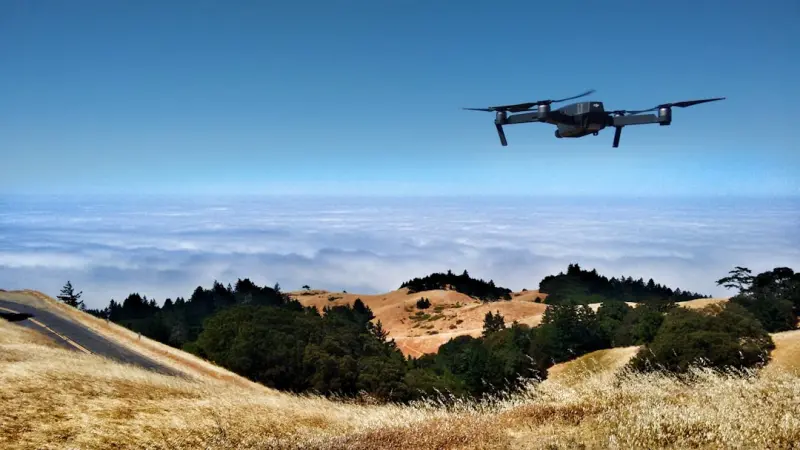
From Soil to Signal: How Data, Drones, and Decentralized Tech Are Reshaping Canadian Farming
Canadian farmers are quietly adopting sensors, drones, and blockchain to transform soil health monit... Read More
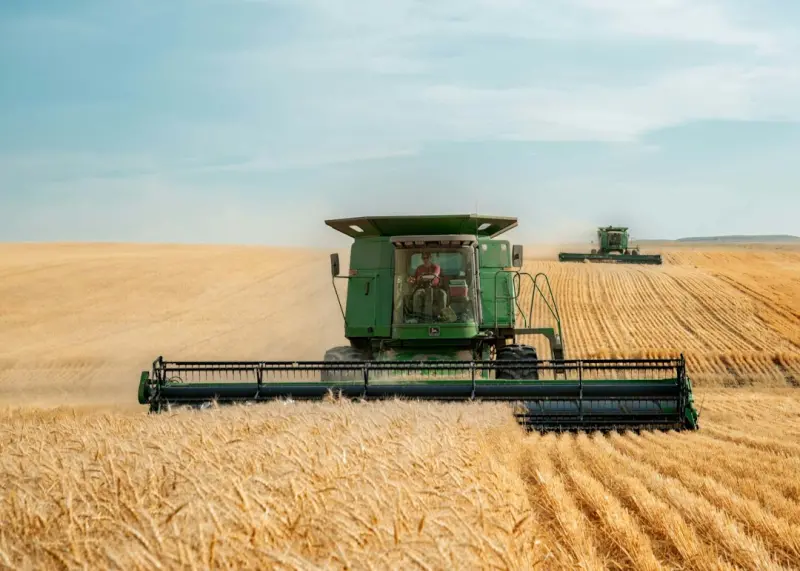
Harvesting Light: How Canadian Farmers Are Powering Their Future with Renewable Energy
Canadian farmers are turning to renewable energy—solar panels, wind turbines, and biogas—to lowe... Read More

Regenerative Roots: Turning Soil Health into Profit for Canadian Farmers
Canadian farmers are discovering that regenerative agriculture isn’t just good for the earth—itâ... Read More
Top Posts

Beyond Brick-and-Mortar: How Virtual Care is Redefining Rural Health in Canada
Virtual clinics are reshaping rural health in Canada, offering same‑day appointments, AI‑driven monitoring, and culturally‑sensitive care, while addressin...Read More

Parental Warning: How AI Homework Apps Are Shaping Kids’ Minds
AI homework apps promise instant answers, but they can erode critical thinking, embed bias, and affect emotional health. This post reveals the hidden curriculum...Read More
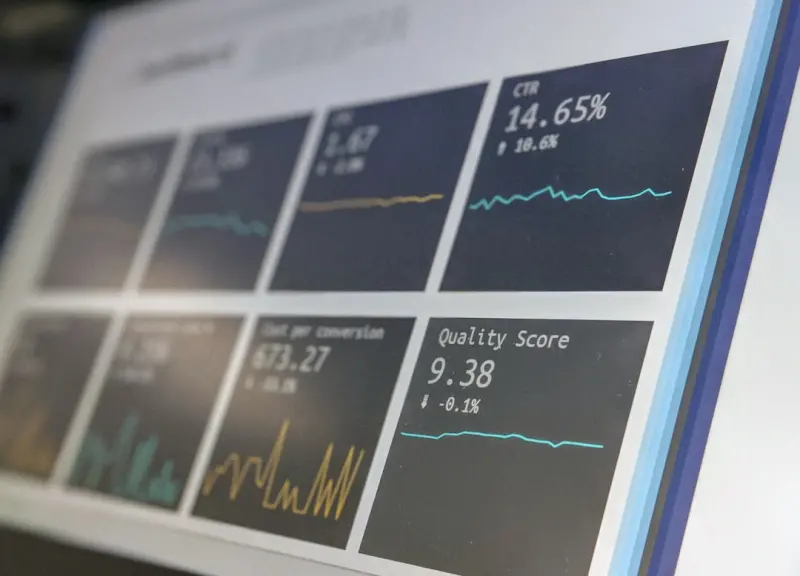
AI Health Dashboards: Turning Data Into Daily Vitality
An AI‑driven health dashboard consolidates wearables, sleep, and lifestyle data, offering personalized, privacy‑first nudges that turn everyday numbers into...Read More

Unlock Peak Performance with a Color‑First Eating Strategy
A practical guide to using the colors of nature—red, orange, blue, green—to fuel sustained energy, improve cognition, and support overall wellbeing, all wit...Read More
0 Comments
Post Comment
You will need to Login or Register to comment on this post!