
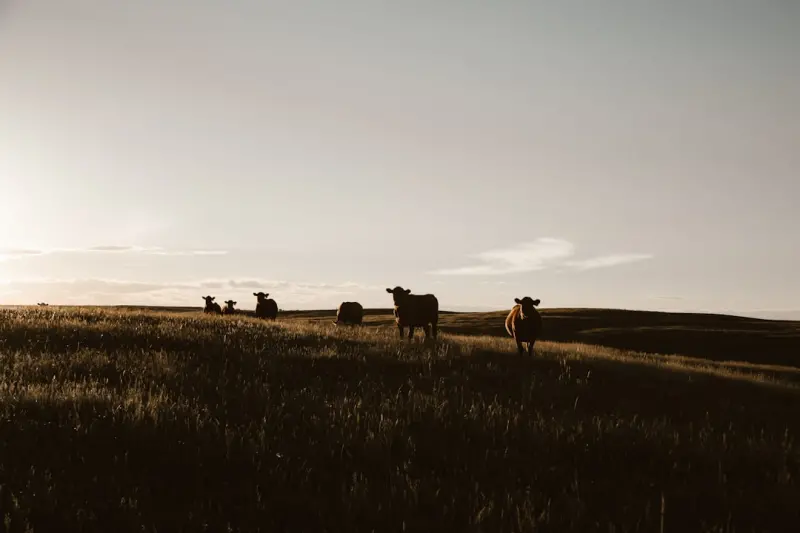
Why Canadian Farmers Are Betting on Community, Resilience, and a New Kind of Tech
When I first put on my mud‑splattered boots at dawn, the only “technology” I trusted was a well‑worn tractor and a weather‑worn almanac. Fast forward a decade, and the conversation at the farm table now includes drones, blockchain, and solar arrays. Yet, despite the shiny gadgets, the most powerful engine driving our fields isn’t a new piece of hardware—it’s the community we build around the land.
In this post I’ll walk you through three intertwined shifts that are reshaping Canadian agriculture from the ground up: 1) a resurgence of farmer‑led cooperatives,2) mental‑health‑first farming practices, and 3) purpose‑driven tech that puts the farmer, not the corporation, in control. By the time you finish reading, you’ll see why the next wave of growth isn’t just about yields—it’s about people, purpose, and a smarter relationship with the tools we choose.
The Cooperative Comeback: Power in Numbers
Co‑ops are old news in Canada—think dairy boards and grain elevators from the early 1900s. What’s new is the way modern farmers are re‑imagining them as flexible, tech‑enabled networks that solve problems no single operation can tackle alone.
- Shared Infrastructure. A 500‑acre dairy farm can’t afford its own cold‑storage facility, but a cooperative of ten farms can pool resources to build a regional hub. That hub not only reduces transport costs but also creates a local job market, keeping talent in rural towns.
- Collective Bargaining. By negotiating seed contracts as a group, we push suppliers to offer transparent pricing and sustainable options—something that would be impossible for a solo producer.
- Risk Buffering. Weather, market swings, and sudden policy changes can devastate an individual farm. In a cooperative, risk is spread, and members can tap into emergency funds without resorting to high‑interest loans.
One example that’s gaining traction in Ontario and the Prairies is the “Agri‑Hub” model. These hubs are essentially co‑ops on steroids: they host a shared machinery fleet, a data‑analytics center, and a community‑supported marketplace where local chefs, schools, and families can purchase directly from farmers. The model blends the best of sprouting innovations with a marketplace that values traceability and freshness.
Mental‑Health‑First Farming: The Silent Harvest
Farmers have long been celebrated for their stoicism, but that myth is crumbling. The Canadian Farm Mental Health Study (2022) revealed that 40 % of farmers experience significant stress, yet only a fraction seek help. The reason isn’t just stigma—it’s a lack of resources that understand the unique rhythms of farm life.
Enter the “Well‑Being Circle,” a peer‑support framework emerging in Quebec’s maple‑syrup region and spreading westward. Here’s how it works:
- Monthly “Check‑In” Sessions. Small groups of 8‑10 farmers gather (often virtually, thanks to reliable broadband) to discuss challenges ranging from market volatility to family dynamics.
- Professional Facilitators. Trained counselors with agricultural backgrounds lead the discussions, ensuring the conversation stays productive.
- Resource Pooling. The circle shares tools for stress management—guided breathing exercises, short‑duration mindfulness apps, and even access to on‑farm “quiet zones” where workers can decompress.
These circles are more than just talk shops. They’ve been linked to a measurable 15 % reduction in reported anxiety levels and a 10 % increase in farm productivity, as happier farmers make sharper decisions. The model demonstrates that when mental health is treated as an integral part of farm management—not an afterthought—profits follow.
Purpose‑Driven Tech: Putting Farmers Back in the Driver’s Seat
Technology isn’t a silver bullet, but when it aligns with farmer values, it becomes a catalyst for sustainable growth. Below are three tech trends that are reshaping our fields while respecting the farmer’s autonomy.
1. Data Sovereignty Platforms
Most farm‑management software is owned by U.S. or European firms that monetize data in ways many growers find opaque. New Canadian startups are launching data‑sovereignty platforms that let farms own, control, and monetize their own datasets.
These platforms operate on a national broadband rollout that finally reaches remote corners of the prairies, enabling real‑time data streaming from soil sensors, drones, and weather stations. The result? Farmers can sell anonymized climate data to research institutions, creating a new revenue stream without surrendering control.
2. SaaS Cost‑Cutting Playbooks for the Farm
Software‑as‑a‑Service (SaaS) tools have become indispensable—from inventory trackers to precision‑irrigation dashboards. Yet, subscription fatigue is real. By applying the principles from the SaaS cost‑cutting playbook, farms can audit their tech stack, eliminate redundant tools, and negotiate volume discounts through cooperative purchasing. The average farm that implements a structured SaaS audit sees up to 20 % savings on annual tech spend.
3. Renewable Energy Micro‑Grids
Wind turbines and solar arrays are no longer “nice‑to‑have” add‑ons; they’re becoming core assets. By forming micro‑grids with neighboring farms, producers can share excess generation, store energy in community batteries, and sell surplus power back to the grid at peak rates. This not only slashes electricity bills but also buffers farms against grid outages—a growing concern as climate events intensify.
From Seed to Community: A Real‑World Story
Let me introduce you to Maple Ridge Farm, a 300‑acre mixed‑crop operation in southwestern Ontario. Five years ago, Maple Ridge was struggling with volatile grain prices and an aging workforce. The owners decided to experiment with the three pillars outlined above.
- Cooperative Hub. They joined a regional agri‑hub that provided a shared processing facility. This allowed them to launch a line of “farm‑to‑table” grain snacks, tapping directly into local schools and cafés.
- Mental‑Health Circle. The farm’s 12‑person workforce signed up for a Well‑Being Circle. Within a year, employee turnover dropped from 30 % to 12 %, and the farm reported a 7 % increase in overall yield—a testament to the power of a calm, focused team.
- Tech Integration. Maple Ridge adopted a data‑sovereignty platform that collected soil moisture data from 50 IoT sensors. By analyzing the data, they reduced irrigation water use by 18 % while maintaining yield, and they sold anonymized datasets to a university research project, generating $12 K in extra income.
The result? Maple Ridge isn’t just surviving; it’s thriving as a model for resilient, community‑centric agriculture.
How You Can Join the Movement
Whether you run a 10‑acre hobby farm or oversee a 10,000‑acre operation, the principles of community, mental‑health focus, and purpose‑driven tech can be scaled to fit any size.
- Start Small. Form a “seed‑co‑op” with neighboring farms to purchase inputs in bulk. Even a handful of farms can negotiate better seed contracts and share a single fertilizer sprayer.
- Prioritize Well‑Being. Set aside 30 minutes each week for a virtual or in‑person check‑in with your team. Simple, consistent communication can surface issues before they become crises.
- Audit Your Tech. List every subscription you pay for, categorize them by purpose, and identify redundancies. Use the SaaS playbook methodology to negotiate better rates or consolidate services.
- Leverage Broadband. If you’re in a low‑connectivity area, apply for provincial broadband grants that are still being rolled out. Reliable internet is the gateway to data‑sovereignty platforms and remote mental‑health support.
- Explore Renewable Partnerships. Talk to local utility companies about feed‑in‑tariff programs. Even a modest 20‑kw solar array can offset a significant portion of your electricity bill.
The Road Ahead: A Vision for Canadian Agriculture
Imagine a future where every Canadian farm is linked to a regional cooperative network, where data flows securely from field to farmer, where mental health resources are as standard as a tractor’s oil change. This isn’t a utopian fantasy; it’s a roadmap already being built brick by brick across the country.
We stand at a crossroads: continue on the path of isolated, technology‑driven farms that surrender data and control, or pivot toward a collaborative, farmer‑centric ecosystem that leverages technology as a tool—not a master. The choice will determine whether we harvest only crops or also harvest stronger communities, healthier minds, and a more sustainable economy.
If you’re reading this on a quiet morning between milking sessions or after a long day in the field, know that you’re part of a larger narrative. By embracing community, championing mental well‑being, and selecting tech that serves your farm’s purpose, you’re planting the seeds for a resilient future—one that will feed not just our plates, but our souls.

Related Posts
Farmers need more government support to feed Canadians
Canada, a nation blessed with vast agricultural lands, prides itself on its ability to produce high-... Read More

Digital Twins and Indigenous Knowledge: A New Era for Canadian Grain Farming
Digital twins and ancient land wisdom are reshaping Canada’s grain farms, delivering higher yields... Read More
From Fields to Festivals: Canadian Farmers Embrace Agri‑Tourism
Canadian farms are opening their gates to visitors, turning fields into festivals and creating new r... Read More
Top Posts

When Campus Climate Crusaders Meet Parliament: A New Political Force
Young Canadian activists are turning campus protests into legislative influence, using digital tools, data transparency, and parliamentary engagement to embed c...Read More

Urban Foraging: How City Streets Feed the Modern Foodie
Explore the rise of urban foraging, from identifying edible wild greens in city parks to integrating them into restaurant menus, and learn how to safely harvest...Read More

Urban Foraging: Harvesting Health from City Streets
Urban foraging transforms city sidewalks into nutrient‑dense food sources, offering a low‑cost, sustainable way to boost health, connect with community, and...Read More

Navigating the New Cost‑of‑Living Landscape for Remote Professionals
A deep dive into the hidden expenses of remote work—housing, internet, subscriptions, health, and more—paired with actionable steps to keep your cost of liv...Read More
0 Comments
Post Comment
You will need to Login or Register to comment on this post!