
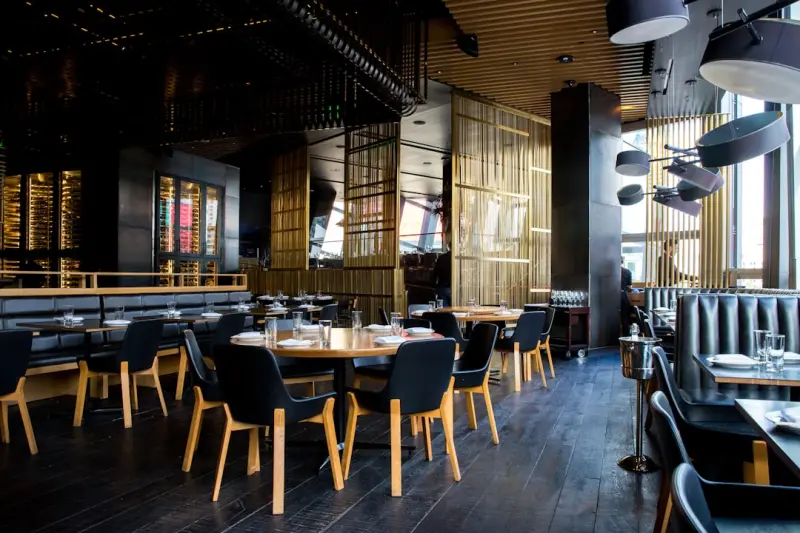
When I first walked into a downtown loft that was nothing more than a stainless‑steel prep station, a commercial oven, and a wall of digital order screens, I felt like I’d stepped into the future of dining. No dining room, no maître d’, just a kitchen humming with algorithms and delivery drivers buzzing in and out. It was a ghost kitchen – a concept that’s quickly becoming the silent engine behind many of the meals we order online. For restaurateurs, investors, and tech enthusiasts alike, the ghost kitchen movement isn’t just a trend; it’s a seismic shift in how food is produced, marketed, and consumed.
From Brick‑and‑Mortar to “Kitchen‑Only” Real Estate
Traditional restaurant real estate is a massive cost center. Prime street‑level locations command sky‑high rents, and the décor, seating, and front‑of‑house staff add layers of expense that can choke a fledgling concept. Ghost kitchens strip the equation down to its bare essentials: a space to cook and a platform to sell. By moving out of the “prime‑real‑estate” game, operators can secure industrial‑grade spaces in less‑central neighborhoods, warehouse districts, or even repurposed logistics hubs at a fraction of the cost.
But the savings don’t stop at rent. Without a dining room, there’s no need for waitstaff, host stands, or elaborate interior design. The labor model pivots to a lean kitchen brigade, often augmented by technology that automates inventory tracking, order routing, and even cooking timing. This lean model translates directly into a healthier bottom line and, more importantly, a faster path to market for new culinary ideas.
The Economics of Virtual Dining
Let’s talk numbers. A midsize restaurant with a 2,500‑sq‑ft footprint in a city centre might pay $10,000 a month in rent alone. A comparable industrial space for a ghost kitchen could be under $3,000. Add to that the reduction in front‑of‑house payroll – imagine cutting a $40,000‑a‑year staffing budget in half – and you’re looking at a potential operating expense reduction of 40‑60%.
These savings open the door to aggressive pricing strategies and experimentation. A chef can launch three distinct virtual brands – say, a vegan bowl shop, a gourmet taco stand, and a late‑night ramen bar – from the same kitchen, each targeting a different demographic without cannibalizing the other’s foot traffic because there’s no physical foot traffic at all.
Of course, the revenue side has its own complexities. Ghost kitchens rely heavily on third‑party delivery platforms, which can take 25‑35% of each order. That’s why many operators are now building their own direct‑to‑consumer channels, integrating loyalty programs, and even offering subscription meals. The key is to balance platform exposure (for discovery) with owned channels (for margin).
Technology: The Invisible Front‑of‑House
The ghost kitchen model is only viable because technology has caught up with the concept. From cloud‑based POS systems that route orders to the appropriate kitchen line, to AI‑driven demand forecasting that helps prevent over‑ or under‑stocking, the tech stack is the silent partner that keeps the operation humming.
One of the most compelling tech stories in the restaurant world right now is AI‑Driven Menu Personalization. While this technology is often showcased in brick‑and‑mortar settings, its impact in a ghost kitchen is magnified. By analyzing order data across multiple virtual brands, an AI engine can recommend menu tweaks in real time, suggest upsells, and even predict the next flavor trend before it hits mainstream awareness.
On the pricing side, the same principles that power Tariff Transparency in SaaS are being adapted for food delivery fees. Transparent, dynamic pricing models build trust with consumers and can be adjusted on the fly based on demand spikes, supply chain costs, or promotional campaigns.
Branding in a Kitchen‑Only World
Without a physical storefront, branding becomes purely digital. Logo design, social media presence, SEO‑optimized menus, and influencer partnerships are the new “signage” that draws customers to your virtual doorstep. Consistency across platforms – from the food app thumbnail to the Instagram story – is critical because the first impression is a pixel, not a patio.
Storytelling is still essential. Consumers crave connection, even when they order through an app. Share the chef’s background, the origin of a signature spice, or a behind‑the‑scenes video of the kitchen in action. Authentic narratives turn a faceless delivery into an experience, encouraging repeat orders and word‑of‑mouth referrals.
Another powerful tactic is “brand stacking.” A single kitchen can host multiple micro‑brands, each with its own voice and menu. This allows operators to capture niche markets without the risk of over‑committing to a single concept. For instance, a plant‑based brand can coexist with a comfort‑food brand, each appealing to different customer segments while sharing the same prep line and equipment.
Supply Chain & Sustainability: Lessons from Zero‑Waste Practices
Running multiple virtual concepts from one kitchen forces you to rethink inventory. The more diversified the menu, the higher the risk of waste. Here’s where the principles of Zero‑Waste Mixology become surprisingly relevant. By treating each ingredient as a modular component, chefs can cross‑utilize produce, proteins, and sauces across brands, minimizing spoilage and maximizing profit.
For example, a roasted cauliflower puree created for a vegan bowl can become the base for a cauliflower‑infused pizza sauce in another brand. Daily “scrap” meetings – short, data‑driven huddles where chefs review what’s left over from the previous day – can turn potential waste into new menu items or limited‑time offers.
Beyond waste reduction, many ghost kitchens are partnering with local farms and distributors that offer “just‑in‑time” deliveries, reducing the need for large storage spaces and ensuring fresher ingredients. The combination of tech‑enabled inventory tracking and sustainable sourcing creates a virtuous cycle of cost savings and brand goodwill.
Operational Challenges and How to Navigate Them
- Quality Control at Scale: When you’re cooking for three different virtual brands simultaneously, consistency can slip. Implement standardized SOPs, use temperature‑controlled stations, and conduct regular blind tastings.
- Regulatory Compliance: Ghost kitchens must still meet health inspection standards, but the lack of a front‑of‑house can create confusion around licensing. Keep a dedicated compliance officer or partner with a service that handles permits for each brand.
- Delivery Logistics: Relying solely on third‑party couriers can lead to “delivery fatigue” where drivers prioritize higher‑tip orders. Consider building a hybrid model that uses in‑house delivery for high‑margin items and platforms for broader reach.
- Data Overload: The sheer volume of order data can be overwhelming. Invest in a robust analytics platform that consolidates sales, inventory, and customer feedback into actionable dashboards.
- Brand Dilution: Managing multiple virtual brands requires clear differentiation. Avoid overlapping menu items unless they’re deliberately cross‑promoted, and maintain distinct visual identities for each brand.
Future Outlook: What’s Next for Ghost Kitchens?
The next wave of ghost kitchens will likely blend physical and digital experiences. Think “pop‑up” dining events hosted in the kitchen’s own space, where customers can book a limited‑seat “chef’s table” that’s streamed live to online viewers. Augmented reality (AR) menus could let diners visualize dishes before ordering, while blockchain‑based traceability could guarantee ingredient provenance for the increasingly health‑conscious consumer.
Another exciting prospect is the rise of “kitchen franchising.” Instead of a franchise model that replicates an entire restaurant, a franchisor could license a proven kitchen workflow, tech stack, and menu framework to local operators. This would lower the barrier to entry for aspiring restaurateurs and accelerate the spread of successful virtual concepts.
Finally, as the line between grocery and restaurant blurs, ghost kitchens may start offering “ready‑to‑cook” kits directly to consumers, turning the kitchen into a hybrid manufacturing hub. Imagine ordering a fresh, pre‑portioned sushi kit that arrives the same day, prepared by a virtual sushi brand that never opens a traditional restaurant.
Takeaway: Embrace the Invisible Front‑of‑House
The ghost kitchen revolution is not a fleeting fad; it’s a strategic reallocation of resources that allows restaurateurs to focus on what truly matters – food, flavor, and the story behind each dish. By shedding the constraints of bricks and mortar, leveraging AI and data, and adopting sustainable, cross‑utilization practices, modern kitchens can serve more customers, experiment faster, and stay nimble in an ever‑changing market.
If you’re a chef with a vision, an investor hunting the next high‑growth asset, or a tech founder looking to solve real‑world problems, the ghost kitchen arena offers a sandbox where culinary creativity meets cutting‑edge technology. The challenge isn’t just to open a kitchen, but to design a digital ecosystem that turns every order into a data point, every ingredient into a reusable asset, and every virtual brand into a loyal community.
In the words of a seasoned delivery driver I once chatted with during a late‑night shift: “If the food’s good, the app’s fast, and the price is right, they’ll come back – no matter where the kitchen is hidden.” The future of dining is already here, and it lives in the clouds, the kitchens, and the algorithms that make it all possible.

Related Posts
Personalized Palates: How AI and AR Are Redefining the Restaurant Experience
Discover how restaurants are using AI to tailor menus and augmented reality to tell ingredient stori... Read More
Data-Driven Menu Engineering: AI’s Secret Sauce for Modern Restaurants
Explore how artificial intelligence and real-time analytics are reshaping restaurant menus—optimiz... Read More

A Foodie's Paradise: Exploring the Flavors of Canadian Summer
Canadian summer is a foodie's paradise, offering a diverse array of flavors, ingredients, and dining... Read More
Top Posts
Conversation‑First Marketing: Turning Chatbots Into Revenue‑Generating Salespeople
Chatbots have evolved from static FAQ tools into dynamic, AI‑powered sales assistants. This post shows why a conversation‑first strategy boosts conversions,...Read More

Digital Nomad Villages: Crafting Community‑Centric Hubs for the Modern Wanderer
Digital nomad villages are emerging as the next frontier in travel, offering reliable connectivity, affordable housing, and deep community integration that bene...Read More
Tariff‑Driven Latency: What SaaS Leaders Need to Know
Tariffs aren’t just trade talk—they’re quietly reshaping SaaS performance. Discover how hardware costs, edge deployments, and contract clauses influence l...Read More

Political Crowdfunding in Canada: Small Donors, Big Impact
Political crowdfunding is democratizing campaign finance in Canada, allowing everyday citizens to fund change directly. This post examines its rise, regulatory ...Read More
0 Comments
Post Comment
You will need to Login or Register to comment on this post!