
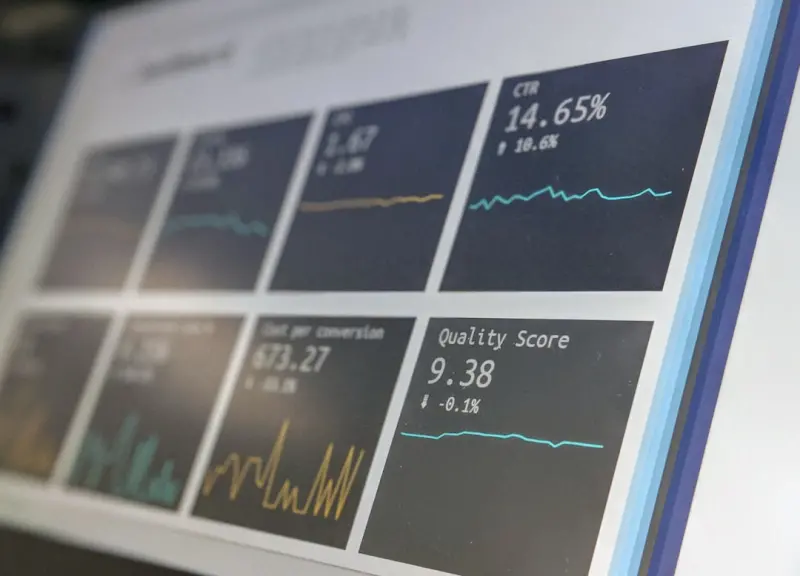
Why Menus Are No Longer Static: The AI Revolution in Restaurant Kitchens
When I first walked into a downtown bistro that proudly displayed a chalkboard “menu of the day,” I expected the usual rotating specials based on the chef’s whim. Instead, the server handed me a sleek tablet that asked a few quick questions about my preferences, dietary restrictions, and even my current mood. Within seconds, the screen presented a curated list of dishes, each accompanied by a short note explaining why it was a perfect fit for me that very moment. The experience felt less like ordering food and more like stepping into a personalized culinary conversation.
That moment was a turning point for me. It made me realize that the days of static, one‑size‑fits‑all menus are winding down. Restaurants are increasingly turning to artificial intelligence, real‑time analytics, and predictive modeling to design menus that respond to customer data, supply‑chain fluctuations, and sustainability goals. In this post, I’ll walk you through the mechanics of data‑driven menu engineering, share real‑world examples, and explore how this shift is reshaping the economics and culture of the restaurant industry.
The Data Behind the Dish
At the heart of AI‑powered menu design is a simple premise: every decision in the kitchen can be quantified. From the cost of a single basil leaf to the average dwell time of a diner at a table, modern point‑of‑sale (POS) systems capture a wealth of information. When this data is fed into machine‑learning models, patterns emerge that humans alone would struggle to spot.
- Ingredient Cost Variability: Seasonal price swings for produce, seafood, and meat can be tracked in near real‑time. An AI engine can flag when a high‑margin dish becomes less profitable because the cost of a key ingredient spikes.
- Customer Preference Signals: Order histories, online reviews, and even social‑media sentiment provide clues about what diners love—or avoid.
- Operational Constraints: Kitchen staffing levels, equipment maintenance schedules, and prep time windows are factored into the model to ensure feasibility.
- Sustainability Metrics: Carbon footprint data for each ingredient lets restaurants prioritize low‑impact options without sacrificing taste.
By aggregating these data streams, AI can answer questions like:
- Which combination of dishes maximizes overall profit while keeping waste under 5%?
- What new item should we test next month based on trending flavors in our city?
- How can we adjust portion sizes to reduce food waste without compromising guest satisfaction?
From Insight to Action: The Menu Engineering Workflow
The process typically unfolds in three stages: data ingestion, model training, and menu rollout.
1. Data Ingestion
Restaurants integrate their POS, inventory management, and supplier APIs into a central data lake. Even seemingly trivial data—like the time of day a table is seated—can influence the model. For instance, a study of 150,000 dining transactions found that diners are more likely to order protein‑heavy dishes during evening slots, while lighter fare dominates lunchtime traffic.
2. Model Training
Data scientists (or SaaS platforms that specialize in hospitality analytics) train predictive models to forecast two key outcomes: profitability and customer delight. Profitability is calculated from ingredient cost, labor time, and projected sales volume. Delight is measured through post‑dining surveys, repeat‑visit rates, and sentiment analysis of online reviews.
Advanced models also incorporate reinforcement learning. The algorithm proposes a menu change, observes the real‑world response, and iteratively improves its recommendations. Over time, the system becomes a virtual sous‑chef that “knows” which dishes will resonate with the current clientele.
3. Menu Rollout
Once the AI recommends a set of dishes, the restaurant can implement them in three ways:
- Dynamic Digital Menus: Tablet or QR‑code menus that update in real time based on the model’s output.
- Printed Rotating Boards: Chalkboards or printable PDFs that change weekly, allowing chefs to retain a tactile feel.
- Hybrid Approach: Core menu items remain static, while “AI‑curated specials” rotate daily based on data insights.
This flexibility lets establishments test new concepts without overhauling their entire menu, reducing risk and preserving brand identity.
Real‑World Success Stories
Several forward‑thinking eateries have already embraced AI‑driven menu engineering, and the results are compelling.
The “Taste Lab” at a Mid‑Size Urban Eatery
Located in a bustling downtown district, this restaurant partnered with a hospitality analytics startup to pilot a dynamic menu. Within three months, they reported a 12% increase in average ticket size and a 9% reduction in food waste. Their secret? The AI identified that customers who ordered the “spicy avocado toast” often paired it with a particular cold‑brew coffee, prompting the restaurant to bundle the two as a “morning power combo.”
Fine‑Dining Meets Predictive Pairing
A Michelin‑starred venue used AI to refine its wine‑pairing recommendations. By analyzing historical pairing data and guest feedback, the system suggested less common vintages that matched the flavor profile of new dishes. The result? A 15% uptick in wine sales and glowing reviews praising the “thoughtful, unexpected” pairings.
Fast‑Casual Chain Leverages Real‑Time Pricing
One fast‑casual chain integrated ingredient price feeds from its suppliers directly into its AI model. When the cost of avocados surged, the algorithm automatically suggested a temporary menu tweak—replacing the avocado‑heavy bowl with a quinoa‑based alternative that maintained nutritional value and profit margin. The seamless switch prevented a potential 8% margin erosion.
Linking to the Broader Food Innovation Landscape
AI menu engineering doesn’t exist in a vacuum. It aligns with other emerging trends that are reshaping how we think about food. For example, the upcycled beverage movement demonstrates how waste streams can become revenue streams, a concept that AI can amplify by identifying under‑utilized ingredients in real time.
Similarly, the ghost kitchen model showcases the power of operational efficiency. While ghost kitchens focus on delivery‑only concepts, AI‑driven menus can be applied to both brick‑and‑mortar and virtual kitchens, optimizing each location’s unique supply chain constraints.
Sustainability Meets Profitability
One of the most exciting outcomes of data‑driven menu design is its potential to advance sustainability without sacrificing the bottom line.
- Reduced Food Waste: By forecasting demand at the dish level, kitchens can prepare just enough portions, cutting the typical 30% waste rate seen in many establishments.
- Local Sourcing Optimization: AI can highlight when a locally sourced ingredient is abundant and inexpensive, encouraging chefs to feature it more prominently.
- Carbon‑Conscious Pairings: Models can factor in the carbon intensity of each ingredient, nudging the menu toward lower‑impact proteins like legumes or sustainably farmed fish.
When sustainability aligns with profitability, restaurants gain a compelling story to tell guests—one that resonates in an era where diners increasingly demand ethical transparency.
Implementation Challenges and How to Overcome Them
Adopting AI isn’t a plug‑and‑play solution. Restaurants must navigate several hurdles.
Cultural Resistance
Chefs and staff may view algorithmic recommendations as an affront to culinary creativity. The key is to position AI as a collaborative tool, not a replacement. In practice, many kitchens hold weekly “data‑review” huddles where the team discusses AI insights and decides which suggestions to test.
Data Quality
Garbage in, garbage out. Inaccurate inventory counts or incomplete POS data can skew model outputs. Investing in reliable data capture—such as barcode scanners for inventory and standardized order entry—pays dividends.
Cost of Technology
While off‑the‑shelf SaaS platforms have lowered entry barriers, smaller establishments may still worry about subscription fees. A phased rollout—starting with a single “specials” board—allows owners to gauge ROI before scaling up.
Regulatory and Privacy Concerns
Collecting granular customer data (e.g., dietary restrictions) must comply with privacy regulations. Transparent consent mechanisms and anonymized analytics help mitigate risk.
Future Outlook: The Next Wave of AI in Restaurants
We’re only scratching the surface of what AI can do for menus. Upcoming innovations include:
- Hyper‑Personalized Nutritional Profiling: Wearable health data could inform real‑time recommendations that align with a diner’s macro goals.
- Emotion‑Responsive Menus: Facial recognition or voice sentiment analysis could adapt dish suggestions based on a guest’s emotional state.
- Predictive Supply‑Chain Resilience: AI models that forecast disruptions (e.g., climate events) and pre‑emptively suggest alternative ingredients.
As these capabilities mature, the line between chef intuition and data‑driven insight will blur, creating a new culinary paradigm where creativity is amplified—not constrained—by technology.
Getting Started: A Practical Checklist for Restaurateurs
If you’re intrigued by the promise of AI‑powered menus, here’s a simple roadmap to begin the journey.
- Audit Your Data Sources: Ensure your POS, inventory, and supplier feeds are accurate and integrated.
- Choose a Platform: Evaluate SaaS solutions that specialize in hospitality analytics. Look for user‑friendly dashboards and strong support.
- Start Small: Pilot AI recommendations on a limited set of specials or a single location.
- Involve Your Team: Hold a kickoff meeting with chefs, servers, and managers to explain goals and gather feedback.
- Measure and Iterate: Track key metrics—ticket size, waste percentage, repeat visits—and refine the model monthly.
Remember, the technology is a catalyst; the real magic happens when data meets culinary artistry.
Conclusion: Embrace the Data, Keep the Heart
The restaurant industry has always been a dance between art and commerce. AI menu engineering adds a sophisticated rhythm to that dance, allowing chefs to stay true to their creative vision while optimizing for profitability and sustainability. By listening to the data without silencing the soul of the kitchen, restaurateurs can craft experiences that feel both personal and universally resonant.
So the next time you sit down at a table and the menu seems to know exactly what you need—whether it’s a comforting bowl of ramen on a rainy day or a light, carbon‑friendly salad after a long hike—remember: there’s likely an algorithm working behind the scenes, turning numbers into nourishment. And that, dear reader, is the future of dining.

Related Posts

When Sound Becomes the Secret Ingredient in Your Restaurant
A deep dive into why sound matters in restaurants, practical steps to improve acoustics, and emergin... Read More

Zero‑Waste Dining: Turning Scraps into Signature Dishes
A deep dive into the rise of zero‑waste restaurants, showing how chefs turn kitchen scraps into ce... Read More
From Plate to Platform: How Restaurants Are Redefining Community in the Digital Age
Restaurants are evolving from mere dining spots into community hubs, leveraging subscription models,... Read More
Top Posts
The Unsung Heroes of Canadian Agriculture
Canadian farmers work tirelessly to produce the food and products Canadians rely on, but they face numerous challenges. Learn about the unseen struggles of Cana...Read More

Breathing Into Better Health: A Practical Guide to Everyday Breathwork
Explore the science behind breathwork and learn practical techniques that fit seamlessly into your daily routine, enhancing stress relief, sleep, and overall he...Read More

The Unseen Struggles of Rural Mental Health in Canada
The unseen struggles of rural mental health in Canada are a critical issue that requires our attention and action. Learn more about the challenges facing rural ...Read More

The Tariff Tango: A Threat to Canadian Farmers and the Economy
The tariff tango between Canada and the US is affecting farmers and the economy. Learn about the economic and human impact of tariffs and what can be done to su...Read More
0 Comments
Post Comment
You will need to Login or Register to comment on this post!