
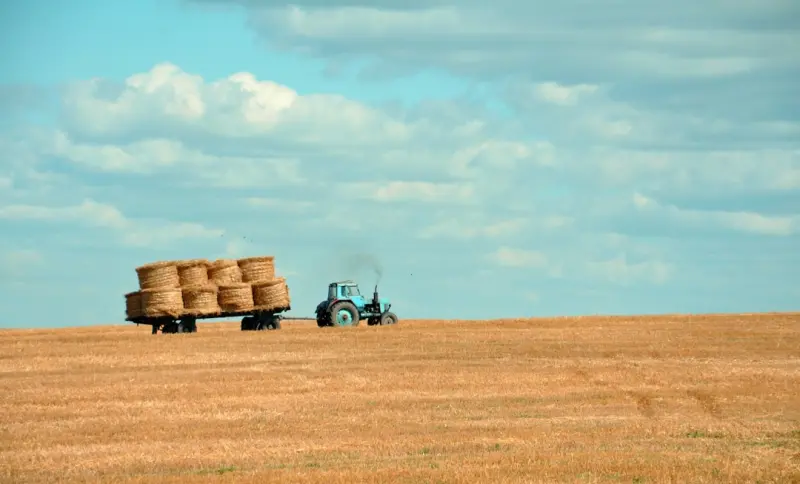
From Fields to Front‑Stage: The New Wave of Canadian Agri‑Tourism
When I first stepped onto my grandfather’s wheat farm at the age of six, the world felt as wide as the horizon that stretched behind the barn. Decades later, that same horizon is now dotted with pop‑up tasting rooms, guided hayrides, and farm‑based workshops that attract city‑slickers looking for a taste of authenticity. This isn’t just a hobby; it’s a strategic pivot that’s reshaping the economic landscape for Canadian farmers.
Why Agri‑Tourism is More Than a Side Hustle
For many producers, the traditional model—grow, harvest, ship—has become a race against volatile commodity prices, shifting climate patterns, and tightening margins. Adding a visitor‑experience component does more than supplement income; it creates a direct line of communication between growers and consumers, turning abstract “food miles” into tangible stories.
Visitors walk the rows, taste the soil‑kissed berries, and leave with a deeper appreciation for the effort behind each crate of produce. That emotional connection translates into brand loyalty that no supermarket shelf can replicate.
The Economic Ripple Effect
Recent surveys from the Canadian Tourism Association show that farm‑based attractions generate up to 30 % higher per‑visitor spending compared with conventional rural tourism. The money isn’t just staying on the farm—it’s spilling into local hotels, craft breweries, and artisans, creating a micro‑economy that sustains entire communities.
Take the example of a family‑run orchard in the Okanagan. By introducing seasonal “pick‑your‑own” events, they saw a 45 % increase in off‑season revenue. The extra cash was reinvested into a cold‑storage facility, allowing them to expand into value‑added products like cider and dried fruit.
Designing Experiences That Resonate
Success isn’t about slapping a sign on a field and hoping for foot traffic. It’s about curating experiences that align with the farm’s identity and the expectations of today’s travelers:
- Story‑Centric Tours: Share the genealogy of the land, the challenges of regenerative practices, and the cultural heritage that informs planting decisions.
- Hands‑On Workshops: From cheese‑making to seed saving, interactive sessions turn visitors into co‑creators rather than passive observers.
- Seasonal Festivals: Celebrate harvest milestones with food trucks, live music, and local crafts, turning a single day into a recurring community tradition.
- Wellness Retreats: Leverage the therapeutic qualities of open spaces for yoga, meditation, or farm‑based “digital detox” packages.
Technology as the Unsung Hero
While the heart of agri‑tourism is undeniably human, technology quietly amplifies its reach. Platforms that aggregate farm experiences across provinces give small operators the visibility of a national brand. Moreover, data tools—like the National Data Hubs—help farmers understand visitor demographics, optimal booking windows, and pricing elasticity. The result? More precise marketing and smoother operational flow.
Learning from Indigenous Knowledge
Canada’s Indigenous communities have long understood the symbiotic relationship between land stewardship and cultural sharing. The recent movement highlighted in Healing the Land Within underscores how land‑based practices can nurture mental well‑being. Farmers who integrate Indigenous storytelling, traditional planting cycles, and collaborative land‑care ceremonies add a profound layer to the visitor experience—one that resonates deeply in an era yearning for authenticity.
Balancing Commercial Goals with Sustainability
Critics sometimes argue that opening farms to tourism risks compromising environmental standards. However, many operators turn this concern into an advantage:
- Carbon‑Neutral Events: Partner with local carbon‑offset programs to neutralize travel emissions.
- Zero‑Waste Policies: Use compostable serving ware and encourage guests to participate in on‑site composting.
- Regenerative Demonstrations: Show visitors the practical benefits of cover cropping, rotational grazing, and bio‑char, turning education into a selling point.
When guests see that the farm’s profits are reinvested into soil health and biodiversity, they’re more likely to become long‑term advocates and repeat customers.
Regulatory Landscape: Navigating Permits and Liability
Launching an agri‑tourism venture does involve a maze of municipal bylaws, health inspections, and insurance considerations. Many provinces now offer streamlined “agri‑tourism” permits that bundle zoning exceptions with safety guidelines, recognizing the sector’s economic importance. It’s essential to engage early with local authorities and seek counsel from agricultural extension services to ensure compliance without stifling creativity.
Case Study: The Multi‑Sensory Farm in Nova Scotia
One pioneering farm in the Annapolis Valley transformed its 150‑acre blueberry operation into a multi‑sensory destination. Guests start with a guided walk through fragrant herb borders, followed by a tasting lab where they blend their own blueberry‑infused smoothies. The experience culminates in a starlit campfire storytelling session where elders recount the region’s farming heritage.
Within two years, the farm’s revenue composition shifted to 55 % tourism, 30 % produce sales, and 15 % value‑added products. The model proved resilient during market downturns, as visitor numbers remained stable even when commodity prices dipped.
Marketing the Farm Experience
Word‑of‑mouth remains powerful, but digital amplification is essential. Social media teasers—short reels of a sunrise over cornfields, a behind‑the‑scenes look at jam‑making—capture curiosity. Email newsletters that spotlight upcoming workshops drive repeat bookings. Moreover, collaborations with local chefs and food influencers create cross‑promotional opportunities that extend reach beyond the immediate rural catchment area.
Future Outlook: From Seasonal Pop‑Ups to Year‑Round Hubs
The pandemic accelerated a broader trend: people crave meaningful, place‑based experiences. As urban dwellers continue to seek refuge in nature, farms that can offer year‑round programming—winter workshops on indoor gardening, spring seed‑sowing festivals, summer harvest feasts—stand to capture a growing market share.
Some innovators are experimenting with “farm‑hosted coworking spaces,” where remote professionals can work amidst rows of lettuce while sipping locally roasted coffee. Others are integrating renewable energy demonstrations, showing how solar panels power both the farm and the visitor center.
Getting Started: A Checklist for the Curious Farmer
- Assess Your Assets: Identify unique features—historic barns, rare heirloom varieties, scenic vistas—that can anchor an experience.
- Define Your Audience: Families? Foodies? Wellness seekers? Tailor programming accordingly.
- Develop a Business Plan: Project costs for infrastructure upgrades, marketing, insurance, and staffing.
- Secure Permits: Liaise with municipal officials early to understand zoning and health regulations.
- Invest in Training: Front‑line staff should be versed in hospitality, safety protocols, and storytelling.
- Leverage Data: Use tools like the National Data Hubs to fine‑tune pricing and promotional calendars.
- Launch Softly: Host a pilot event for friends and local partners, gather feedback, and iterate.
Conclusion: Cultivating Community, One Visitor at a Time
Agri‑tourism is more than a revenue stream; it’s a bridge that reconnects Canadians with the land that feeds them. By inviting people onto the fields, sharing the stories of soil, and showcasing sustainable practices, farmers turn their farms into living classrooms and vibrant community hubs. The result is a resilient, diversified operation that can weather market swings while nurturing a deeper, more appreciative public.
If you’re a farmer contemplating this path, remember: the journey begins with a single invitation—whether it’s a sign on the gate, a social media post, or a conversation at the local market. From that moment, the farm becomes not just a place of production, but a place of connection.

Related Posts
Harnessing Data: How Canadian Farmers Are Turning Numbers into Bounty
A deep dive into how data and digital tools are reshaping Canadian agriculture, from precision soil ... Read More
Beyond Crops: How Canadian Farmers Are Crafting Experiential Agri‑Tourism for a New Generation
Canadian farmers are turning fields into immersive destinations, using tech, storytelling, and Indig... Read More
Harnessing Shared Analytics: How Canadian Farmers Are Winning with Data Cooperatives
Canadian farmers are turning data into a collective asset, forming cooperatives that share analytics... Read More
Top Posts

Canada’s Health System: A Community‑First Blueprint
A deep dive into Canada’s evolving healthcare landscape, highlighting community hubs, rural telehealth, cultural safety, and innovative funding models reshapi...Read More

When AI Becomes Your Lawyer: Navigating the New Frontier of Automated Legal Advice
AI is reshaping legal services, offering speed and cost savings while raising liability, bias, and compliance concerns. This post unpacks the risks, regulatory ...Read More

Urban Foraging: Turning City Streets Into Gourmet Ingredient Sources
Discover how city dwellers can turn sidewalks, parks, and vacant lots into a pantry of fresh, hyper‑local ingredients for innovative dishes and drinks....Read More

National Cyber Resilience: Community‑Powered Defense in the Digital Age
A fresh look at how community‑driven threat intelligence, transparent governance, and affordable SaaS tools can transform every town and city into a vital par...Read More
0 Comments
Post Comment
You will need to Login or Register to comment on this post!