
Why Data Cooperatives Matter
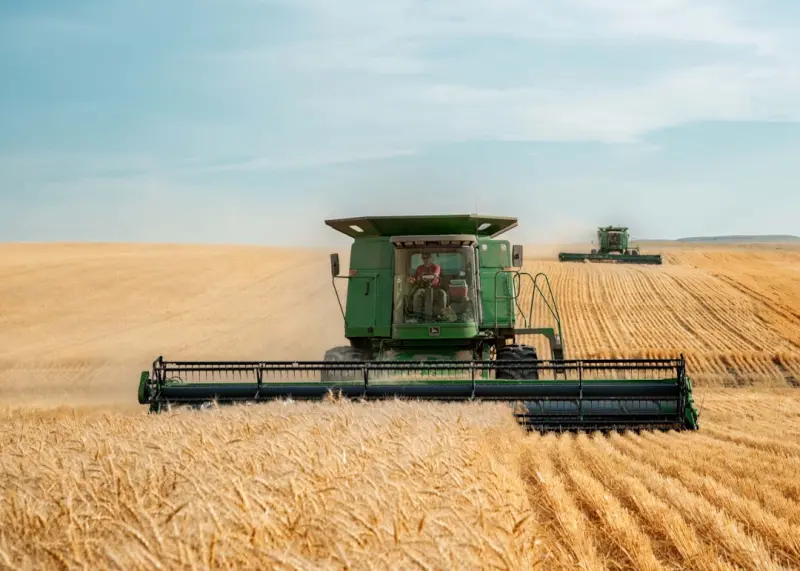
Across the vast stretches of Ontario, Saskatchewan and the Maritimes, a quiet revolution is taking shape as farmers recognize that the true power of their fields lies not just in soil and seed, but in the data they generate every day. Farmer‑led data cooperatives are emerging as a pragmatic answer to the isolation that has long plagued agricultural decision‑making, offering a shared platform where yield metrics, weather patterns and input costs can be pooled, analyzed, and turned into actionable insight for every member. The result is a collective intelligence that equips small‑scale producers with a competitive edge previously reserved for large agribusinesses, allowing them to anticipate market swings, optimize resource use and protect their bottom line with unprecedented precision.
Breaking Down Data Silos
Historically, Canadian growers have kept their performance metrics under lock and key, fearing that transparency might invite competition or expose inefficiencies, a mindset that has unintentionally created data silos that stifle innovation. When each farm operates in a vacuum, the broader ecosystem loses the ability to recognize emerging pest pressures, soil health trends, or price arbitrage opportunities that could benefit the entire community. By embracing a cooperative model, farmers replace suspicion with shared purpose, turning fragmented information into a continuous feedback loop that sharpens forecasting accuracy and reduces the risk of costly surprises.
Building the Cooperative Backbone
At the heart of a successful data cooperative lies a robust technology stack that can ingest, standardize and visualize information from a diverse array of sources, ranging from satellite imagery and drone surveys to IoT‑enabled soil sensors and grain terminal receipts. Open‑source platforms, combined with cloud‑based analytics, ensure that the system remains affordable and adaptable, while APIs enable seamless integration with existing farm management software. This architecture not only democratizes access to advanced analytics but also creates a marketplace of algorithms where members can contribute and benefit from bespoke models that predict yield, recommend variable‑rate inputs, and even flag optimal harvest windows.
Guarding Privacy While Sharing Insight
One of the most common objections to collective data sharing is the fear that proprietary knowledge will be exposed, a concern that can be mitigated through smart governance and encryption protocols that grant members granular control over what is shared and with whom. By employing role‑based permissions, farms can choose to contribute only aggregated, anonymized metrics while still gaining the advantages of trend analysis, while sensitive details such as exact field boundaries or specific input brands remain concealed. This balance of openness and protection builds trust, encouraging broader participation and ensuring that the cooperative’s knowledge base grows richer over time.
Economic Upside for Every Member
When data is pooled, economies of scale emerge in unexpected ways: bulk purchasing of inputs can be negotiated with suppliers who now see a consolidated demand profile, and logistics providers can optimize routes based on real‑time load forecasts generated by the cooperative’s analytics. Moreover, the ability to demonstrate consistent quality and traceability through shared data opens doors to premium markets, including organic certification bodies and export channels that demand rigorous provenance records. In practice, members report margin improvements of 3‑7 % within the first year, a figure that compounds as the cooperative refines its predictive models and expands its member base.
Policy Support and Government Incentives
Federal and provincial programs are beginning to recognize the strategic importance of data cooperatives as a lever for food security, climate resilience and rural economic development, offering grants that offset the cost of sensor deployment and training workshops that demystify data analytics for seasoned growers. Initiatives such as the Canada‑wide Agri‑Data Innovation Fund are specifically designed to lower barriers to entry, ensuring that even the smallest family farms can participate without jeopardizing their cash flow. By aligning cooperative objectives with public policy goals, farmers can tap into a stream of supportive resources that accelerate adoption and amplify impact.
Steps to Join or Launch a Cooperative
Farmers interested in becoming part of a data cooperative should begin by mapping the data they already collect and identifying gaps that could be filled with low‑cost sensors or third‑party services, a process that often reveals quick wins in water use monitoring and pest scouting. Next, they should seek out existing regional cooperatives—many of which are documented in industry reports and community forums—or convene a group of neighboring producers to draft a charter that outlines data governance, cost‑sharing mechanisms and decision‑making protocols. Finally, investing in a pilot project that focuses on a single crop or season allows participants to showcase tangible benefits, building momentum for broader roll‑out across the entire operation.
Real‑World Inspiration
One notable example can be found in the story of a prairie wheat farmer who leveraged the lessons from his regenerative agriculture journey to champion a data‑sharing network that reduced input waste by 15 % and boosted soil carbon sequestration scores, demonstrating that sustainability and profitability are not mutually exclusive. Similarly, farms that have embraced renewable energy on farms have found that integrating energy consumption data into the cooperative’s analytics further refines cost projections, creating a holistic view of operational efficiency that transcends traditional silos.
Looking Ahead: The Future of Canadian Agriculture
As climate variability intensifies and global supply chains become more volatile, the ability to make data‑driven decisions in real time will become a decisive factor in the survivability of Canadian agriculture, positioning cooperatives as the backbone of a resilient food system. Emerging technologies such as edge‑computing, machine‑learning‑enhanced pest detection and blockchain‑based traceability promise to deepen the value proposition of shared analytics, turning every sensor reading into a strategic asset. In this evolving landscape, farmers who embrace cooperative data ecosystems will not only safeguard their farms today but also shape a more innovative, transparent and prosperous agricultural sector for generations to come.

Related Posts
Harvesting Hope: Turning Canadian Farm Land into Renewable Energy Hubs
Canadian farmers are embracing renewable energy, installing solar arrays and wind turbines to genera... Read More
Harvesting Insight: How Canadian Farmers Are Building Data Cooperatives
Canadian farmers are forming data cooperatives that keep information on the farm, foster collaborati... Read More
Regenerative Roots: How Canadian Farmers Are Re‑Imagining the Land
Discover the fresh approaches Canadian farmers are adopting—from ancient soil practices to high‑... Read More
Top Posts
Breaking Down Silos: The Revenue Operations Revolution for Modern B2B Companies
A deep dive into Revenue Operations reveals why traditional sales, marketing, and success silos cripple growth and how a unified RevOps framework can deliver pr...Read More

Tiny‑Home Villages: Canada’s Affordable, Sustainable Living Revolution
Canada’s tiny‑home villages offer a fresh solution to housing shortages, combining low‑cost modular cabins, shared renewable infrastructure, and strong co...Read More

Sailing and Rolling: How Narrative Journeys Redefine Cruise and Bus Tours
Explore the rise of narrative-driven cruises and bus tours, where curated stories, interactive workshops, and pop‑up dining turn every journey into a memorabl...Read More

When Algorithms Become Advocates: The Legal Frontier of AI
Artificial intelligence is no longer a buzzword in law; it’s a transformative force. This post delves into AI-driven contract drafting, algorithmic accountabi...Read More
0 Comments
Post Comment
You will need to Login or Register to comment on this post!