
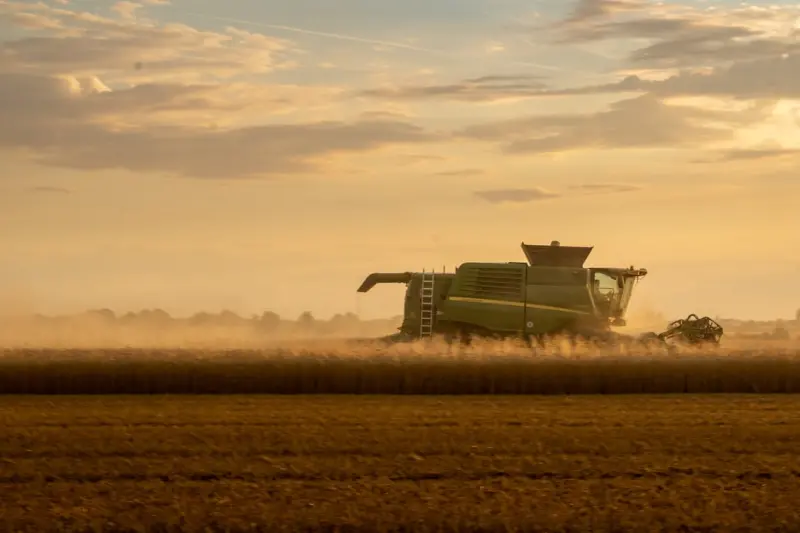
Why Data is the New Soil for Canadian Farmers
When I first stepped onto my grandfather’s farm in the heart of the Prairies, the most valuable resource was the dark, crumbly earth beneath my boots. Decades later, the same field still thrives, but the way we nurture it has transformed dramatically. Today, data—the numbers, patterns, and insights harvested from sensors, satellites, and software—has become the fertile ground on which modern Canadian agriculture is built.
The Evolution From Gut Instinct to Groundbreaking Insight
Farming has always been a blend of art and science. Our ancestors read the sky, felt the wind, and listened to the soil. Those skills are still priceless, yet they’re now complemented by precision tools that turn guesswork into measurable outcomes. A typical midsummer day on a data‑savvy farm looks like this:
- Morning: A dashboard flashes the latest soil moisture levels, temperature gradients, and weather forecasts.
- Mid‑day: Drones swoop over the fields, capturing multispectral images that reveal early signs of stress.
- Evening: An AI‑powered platform suggests variable‑rate fertilizer applications for each 10‑acre block.
These moments, once scattered across notebooks and radio chatter, are now consolidated into a single, actionable narrative.
Building a Data Ecosystem on the Farm
Creating a data‑centric operation doesn’t happen overnight. It requires a purposeful stack of hardware, software, and—perhaps most importantly—mindset. Below is a roadmap many forward‑thinking growers follow:
- Sensors in the Soil: Moisture probes, EC meters, and temperature sensors relay real‑time information about root zones.
- Field‑Level Connectivity: Low‑power wide‑area networks (LPWAN) such as LoRaWAN ensure that even remote plots stay online.
- Satellite & Drone Imagery: High‑resolution data helps pinpoint nutrient deficiencies, pest pressure, and weed hotspots before they become visible to the naked eye.
- Analytics Platforms: Cloud‑based services crunch the raw data, applying machine learning models that predict yield outcomes and recommend inputs.
- Decision Support: Mobile apps deliver the insights directly to the farmer’s pocket, turning a complex model into a simple “apply X kg of nitrogen in zone Y”.
Each component reinforces the others, forming an ecosystem where data flows seamlessly from the field to the farmer’s fingertips.
Real‑World Benefits: More Than Just Numbers
Adopting a data‑first approach yields tangible advantages across the farm’s bottom line, environmental footprint, and day‑to‑day resilience.
- Yield Optimization: By tailoring inputs to the exact needs of each plot, farms can increase corn yields by up to 12% and wheat yields by 9%—figures that translate into thousands of extra bushels per season.
- Cost Reduction: Precise fertilizer and pesticide applications cut input waste, directly tying into smart savings hacks that keep cash flow healthy.
- Resource Stewardship: Using water only where it’s needed conserves this precious resource, a vital consideration for the drier western provinces.
- Risk Management: Forecast models alert growers to looming frost or heat spikes, allowing proactive protective measures.
- Market Transparency: Traceability data can be shared with buyers, commanding premium prices for sustainably produced grain.
Facing the Hidden Costs of Modern Agriculture
While data offers a pathway to efficiency, it also surfaces hidden expenses that many farmers overlook. Subscription fees for SaaS platforms, maintenance of sensor networks, and the training time required to interpret analytics can add up quickly. Understanding these costs upfront prevents budget overruns and ensures the technology truly pays for itself.
One strategy is to treat technology as a cooperative investment. By joining regional farmer groups, growers can share the price of a high‑resolution drone fleet or a central data hub, turning a steep individual expense into a community‑wide advantage.
Women and Youth: The New Data Champions
Historically, agriculture in Canada has been male‑dominated, but the data revolution is leveling the playing field. Younger farmers—many of them women—are often more comfortable with digital tools and bring fresh perspectives to data interpretation. Programs that pair seasoned growers with tech‑savvy apprentices are creating mentorship loops that accelerate adoption.
These collaborations are not just about knowledge transfer; they’re about reshaping farm culture. A farm that embraces data also embraces inclusivity, transparency, and continual learning—qualities that attract the next generation of agrarian talent.
Regenerative Practices Powered by Data
Regenerative agriculture, which focuses on rebuilding soil organic matter and biodiversity, is gaining momentum across the Canadian landscape. Data plays a crucial role here, too:
- Carbon Monitoring: Sensors track soil carbon sequestration, allowing farmers to participate in emerging carbon credit markets.
- Cover Crop Planning: Predictive models suggest optimal species mixes based on soil health metrics and climate patterns.
- Livestock Integration: GPS collars on cattle feed data that informs rotational grazing schedules, improving pasture recovery.
When these tools are combined, farms can simultaneously boost productivity and restore ecological balance—a win‑win that resonates with both consumers and policy makers.
From Data to Dollars: Monetizing the Information You Own
Data is no longer just a decision‑making aid; it’s an asset. Canadian farms are beginning to explore avenues for monetizing their datasets:
- Aggregated Market Insights: By pooling anonymized yield data, cooperatives can negotiate better contracts with grain elevators.
- Research Partnerships: Universities and biotech firms pay for access to field‑level trial data, accelerating innovation.
- Carbon Credit Platforms: Verified soil carbon increases translate into tradable credits on emerging carbon exchanges.
These revenue streams diversify farm income, providing buffers against commodity price volatility.
Overcoming Barriers: Connectivity and Trust
Two major hurdles still impede full data adoption: reliable internet in remote regions and trust in the technology.
Governments and private telecoms are investing in rural broadband, yet gaps remain. Some farmers are turning to satellite internet solutions, which, while more expensive, guarantee coverage across vast acreage.
Trust is cultivated through transparency. When a farmer sees a clear cause‑and‑effect relationship—say, a 15% reduction in nitrogen use after following a platform’s recommendation—that confidence grows. Demonstration projects, field days, and peer testimonials are essential tools for building that trust.
Future Outlook: AI, Automation, and the Next Harvest
Looking ahead, the integration of artificial intelligence and robotics promises to redefine the farm’s daily rhythm. Imagine autonomous tractors that follow GPS‑guided paths, applying variable‑rate inputs without a human in the cabin. Picture AI models that forecast market prices weeks in advance, allowing growers to lock in forward contracts at optimal times.
While these technologies are still emerging, early adopters report higher efficiency and reduced labor dependency—a critical advantage as the agricultural workforce ages.
Practical Steps to Start Your Data Journey
If you’re intrigued but unsure where to begin, follow this simple checklist:
- Assess Your Goals: Are you aiming to cut input costs, improve yields, or enhance sustainability?
- Start Small: Deploy a few soil moisture sensors in a test plot before scaling farm‑wide.
- Choose the Right Platform: Look for solutions that offer intuitive dashboards and reliable customer support.
- Engage Your Team: Train all staff, from field hands to the farm manager, on data interpretation.
- Measure and Iterate: Track key performance indicators (KPIs) and adjust your strategy based on real outcomes.
Remember, data is a tool—not a replacement for the intuition and experience that have sustained Canadian farms for generations.
Conclusion: Cultivating a Data‑Rich Legacy
Canada’s agricultural heritage is rooted in resilience, ingenuity, and a deep respect for the land. By embracing data, today’s farmers are adding a powerful new layer to that legacy—one that amplifies productivity, safeguards the environment, and opens fresh pathways to profitability. The fields may still be the same, but the way we tend them is evolving, and the results are already being harvested.

Related Posts
The Next Harvest: How Canadian Farmers Are Harnessing Collaborative Tech for Resilience
Canadian farmers are shifting from isolated operations to collaborative networks, sharing equipment,... Read More
Harvesting Hope: The New Frontier for Canadian Farmers
Canadian farmers are redefining their future by focusing on mental health, leveraging immersive stor... Read More
Harvesting Carbon: Canadian Farmers Turn Soil Into Revenue
Canadian farmers are embracing carbon farming, turning soil health into a profitable climate service... Read More
Top Posts

Reimagining Canadian Healthcare: Data, Decentralization, and Compassion
A deep dive into how digital platforms, community‑driven data ecosystems, and patient‑centred design can transform Canada’s healthcare, especially in remo...Read More

From the Big Screen to the Backlot: How Canada’s Entertainment Landscape Is Going Indie
A deep dive into Canada’s burgeoning indie entertainment scene, highlighting pop‑up experiences, immersive theatre, VR storytelling, and community‑driven ...Read More

Chasing Daylight: How Seasonal Sunlight Can Reset Your Body Clock
Discover why sunlight is a powerful health tool, how seasonal light affects our circadian rhythm, and practical ways to integrate more natural light into daily ...Read More

Beyond the Balance Sheet: The Emotional Toll of Everyday Spending
A deep dive into the psychological costs of daily spending, from decision fatigue to status signaling, offering actionable steps to improve both financial healt...Read More
0 Comments
Post Comment
You will need to Login or Register to comment on this post!