
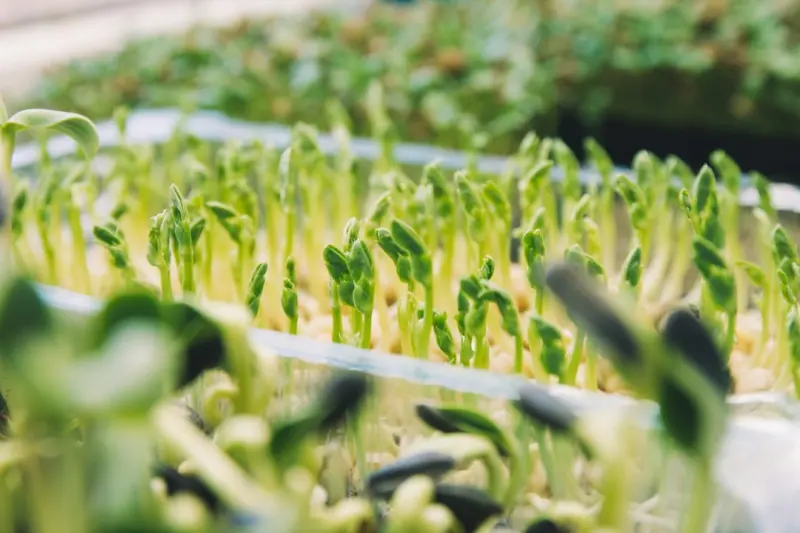
Why Microgreens Are the Unsung Heroes of a Healthy Diet
When I first stepped into a farmer’s market and saw rows of tiny, bright green leaves spilling from shallow trays, I thought I’d stumbled upon a garnish trend that would fade as quickly as a seasonal salad. Little did I know that those delicate sprouts were about to become the cornerstone of my kitchen’s nutrition strategy. Microgreens aren’t just pretty; they pack a punch that rivals many full‑grown vegetables, delivering concentrated vitamins, antioxidants, and phytonutrients in a fraction of the space and time.
The Science Behind the Super‑Size Benefits
Researchers have found that microgreens can contain up to 40 times more nutrients than their mature counterparts. Because they’re harvested just 7‑21 days after germination, the plant’s energy is focused on building leaf tissue rather than stems or roots. This results in a dense cellular structure rich in chlorophyll, polyphenols, and essential micronutrients such as vitamin C, K, and E. In fact, a study published in Journal of Agricultural and Food Chemistry showed that red cabbage microgreens had six times the vitamin C of full‑size cabbage.
But it’s not just about vitamins. The antioxidants in microgreens combat oxidative stress, a silent contributor to chronic inflammation and age‑related diseases. For busy professionals who juggle meetings, workouts, and family life, adding a handful of microgreens to a lunch bowl or smoothie can be a simple, effective way to fortify the body against daily wear and tear.
Choosing the Right Varieties for Your Lifestyle
Not all microgreens are created equal, and the best choice depends on your flavor preferences and nutritional goals:
- Sunflower – Crunchy, nutty, and high in protein and vitamin E.
- Pea Shoots – Sweet, slightly grassy, and a great source of folate and vitamin C.
- Radish – Peppery bite with a boost of vitamin A and potassium.
- Broccoli – Mild, cabbage‑like flavor packed with sulforaphane, a compound linked to cancer‑preventive properties.
- Beet – Earthy, deep‑red hue rich in betalains, powerful antioxidants that support liver health.
Experimenting with a mix of colors not only makes dishes Instagram‑ready but also broadens the spectrum of nutrients you consume. Think of a rainbow on a plate as a visual cue for a balanced intake.
Setting Up Your Indoor Microgreen Farm
One of the most appealing aspects of microgreens is that they thrive in tiny, controlled environments. You don’t need a backyard or a greenhouse—just a sunny windowsill, a shallow tray, and a bit of patience.
- Select a container. Recycled food trays, mason jars, or purpose‑built microgreen grow kits work well. Ensure there are drainage holes to prevent waterlogging.
- Choose a growing medium. Organic coconut coir, peat moss, or a blend of vermiculite and perlite provides good aeration and moisture retention.
- Seed wisely. Sprinkle seeds thinly across the surface. Overcrowding can stunt growth and invite mold.
- Cover and hydrate. Lightly mist the seeds, then cover the tray with another inverted tray or a humidity dome to maintain moisture.
- Provide light. A sunny windowsill that receives 4–6 hours of direct light is ideal. If natural light is limited, invest in a low‑energy LED grow light set to 12‑14 hours per day.
- Harvest. When the first true leaves appear—usually after 7‑14 days—snip the greens just above the soil line. Rinse gently and use immediately for maximum nutrient retention.
Cleaning your tools between batches is crucial to prevent cross‑contamination. The whole process can be completed in under an hour of active time each week, making it a low‑maintenance habit for anyone with a hectic schedule.
Integrating Microgreens Into Everyday Meals
Microgreens are versatile enough to shine in both raw and cooked applications. Here are a few ways to make them a staple:
- Salad boosters. Toss a generous handful into any salad for added crunch and a burst of flavor.
- Sandwich & wrap fillers. Replace lettuce with microgreens for a nutrient‑dense twist.
- Smoothie enhancers. Blend a scoop into green smoothies for a subtle earthy note without overpowering the taste.
- Soups & stews. Sprinkle on top just before serving to preserve the delicate textures.
- Egg dishes. Fold into omelets or top avocado toast for a gourmet touch.
If you’re feeling adventurous, try gut‑friendly foods combos: pair microgreens with fermented kimchi or sauerkraut for a synergy of probiotics and phytonutrients that support digestion and immune health.
Microgreens and the Bigger Picture of Food Sustainability
Beyond personal health, microgreens contribute to a more sustainable food system. Growing them indoors reduces the carbon footprint associated with transportation, refrigeration, and large‑scale agriculture. Because they require minimal water—often less than a tenth of what traditional crops need—microgreens are an excellent choice for regions facing water scarcity.
Moreover, the rapid growth cycle means you can produce multiple harvests per year on the same tray, maximizing yield per square foot. This aligns with the principles of designing health‑boosting spaces where the environment itself becomes a catalyst for well‑being. Imagine a kitchen that not only prepares food but also cultivates it, turning a functional area into a living, breathing source of nutrition.
Common Pitfalls and How to Avoid Them
Even the most enthusiastic growers encounter setbacks. Here’s a quick troubleshooting guide:
- Mold growth. Overwatering or insufficient airflow can create a humid environment conducive to mold. Keep the soil surface lightly moist, not soggy, and ensure good ventilation.
- Leggy seedlings. If your microgreens become tall and thin, they’re likely not receiving enough light. Increase exposure or raise the intensity of your LED lights.
- Bitterness. Some varieties, like radish or mustard, can develop a sharp flavor if harvested too late. Aim for the optimal 7‑14 day window.
- Uneven germination. Use a fine, uniform seed spread and gently press seeds into the medium to improve contact.
By paying attention to these details, you’ll maintain a thriving indoor garden that consistently delivers fresh, nutrient‑dense greens.
Scaling Up: From Kitchen Hobby to Small‑Scale Business
For entrepreneurs eyeing the health‑food market, microgreens present a low‑entry barrier opportunity. Because they require minimal capital and can be grown in compact spaces, they’re ideal for pop‑up stalls, farmer’s market booths, or even subscription boxes. Pairing microgreens with a story—like sourcing seeds from local, organic suppliers—adds a narrative layer that resonates with today’s conscious consumers.
While this post isn’t a deep dive into business models, it’s worth noting that the same principles that make microgreens a personal health hack also translate into a scalable, sustainable product line. If you’re curious about the financial side, you might explore how other niche food ventures have leveraged community interest to create thriving micro‑businesses.
Putting It All Together: A Sample Day of Microgreen‑Powered Meals
Here’s a quick itinerary that showcases how microgreens can effortlessly weave into a full day of eating:
- Morning Smoothie. Blend spinach, frozen berries, a scoop of plant protein, almond milk, and a handful of pea shoot microgreens. The greens add a subtle sweetness and a boost of vitamin C.
- Mid‑Morning Snack. Top a slice of whole‑grain toast with avocado, lemon juice, and sun‑flower microgreens. The crunch adds texture while providing vitamin E.
- Lunch Bowl. Combine quinoa, roasted chickpeas, diced cucumber, shredded carrots, and a generous mound of broccoli microgreens. Drizzle with tahini‑lemon dressing for extra flavor.
- Afternoon Pick‑Me‑Up. A small side of mixed microgreens tossed in olive oil, sea salt, and a splash of balsamic vinegar works as a refreshing palate cleanser.
- Dinner. Finish the day with a stir‑fry of tofu, bell peppers, and snap peas. Just before serving, sprinkle radish microgreens over the top for a peppery finish.
This menu delivers a spectrum of colors, textures, and nutrients without requiring exotic ingredients or extensive prep time. The microgreens act as both flavor enhancers and nutrient powerhouses, ensuring each meal feels complete.
Final Thoughts: A Small Step With a Big Impact
In a world where convenience often trumps nutrition, microgreens offer a sweet spot—easy to grow, quick to harvest, and packed with health benefits. By incorporating them into your daily routine, you’re not just adding a garnish; you’re investing in a habit that fuels your body, supports sustainability, and turns your kitchen into a miniature farm.
So the next time you glance at that empty tray on your windowsill, imagine the vibrant, vitamin‑rich greens that could be waiting to brighten your plate—and your health.

Related Posts

Seasonal Superfood Swaps for Everyday Nutrition
Learn practical, seasonal superfood swaps that transform ordinary meals into nutrient‑rich power f... Read More
Fermented Frontiers: Unlocking Gut Health with Everyday Superfoods
A deep dive into the power of fermented foods and functional mushroom snacks, offering actionable ad... Read More
Harvest Timing: How Freshness Shapes Nutrient Power in Your Plate
Explore the science behind nutrient decay, learn storage and cooking hacks, and get a practical week... Read More
Top Posts

Harvesting Light: Canadian Farms Turn to Renewable Energy
Canadian farms are becoming clean‑energy hubs, pairing crops with solar panels, wind turbines, and bioenergy systems to cut costs, generate revenue, and suppo...Read More

Municipal Climate Coalitions: The New Power Brokers Shaping Canada’s Federal Policy
Canada’s cities are forming climate coalitions that are reshaping national politics, forcing parties to negotiate with a new class of sub‑national influence...Read More

Stretching Your Salary: Creative Strategies to Tame the Cost of Living
Explore innovative, actionable tactics—from cutting invisible subscription fees to leveraging community resources—that help you shrink your cost of living w...Read More

Behind the Chambers: How Backbench Influence Is Reshaping Canadian Governance
Backbench MPs, often overlooked, are becoming the engines of Canadian policy through committee work, data‑driven analysis, and strategic negotiations that imp...Read More
0 Comments
Post Comment
You will need to Login or Register to comment on this post!