
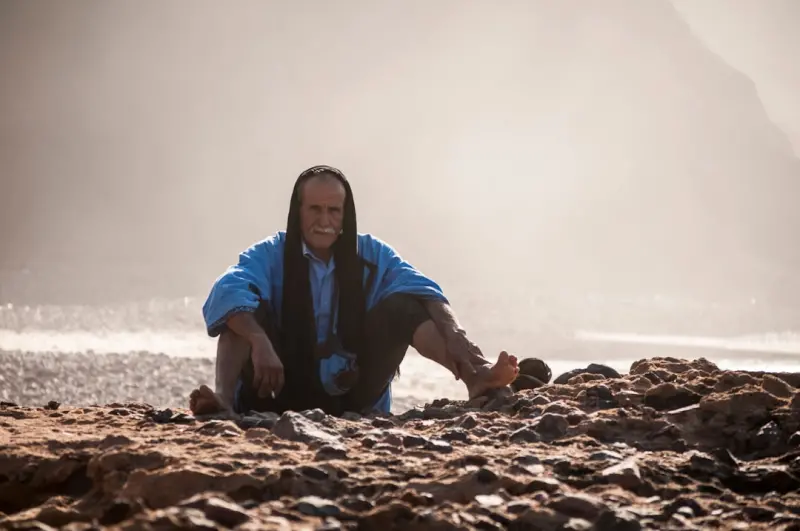
When I walk the cedar‑lined paths of my childhood reserve, the scent of pine mingles with the low hum of a nearby clinic’s ventilation system. That juxtaposition—ancient land and modern medicine—has become the heartbeat of a quietly burgeoning movement across Canada: Indigenous‑led mental health care that honors traditional healing while leveraging contemporary science. This isn’t a fleeting trend; it’s a deep‑rooted shift that challenges the one‑size‑fits‑all model of our national health system and invites us all to reconsider what wellness truly looks like.
Why the Conversation Matters Now
For decades, Indigenous peoples in Canada have faced systemic barriers to equitable health services: language gaps, cultural misunderstanding, and a lingering mistrust rooted in historic injustices. Statistics Canada reports that Indigenous adults are twice as likely to experience psychological distress compared to non‑Indigenous peers. Yet, amid these stark numbers, a resilient tapestry of community‑driven solutions has begun to surface, offering hope that culturally safe care can be both effective and restorative.
What sets this wave apart from past attempts at cultural competency training is its emphasis on sovereignty. Rather than asking Indigenous communities to adapt to a pre‑existing framework, health leaders are now inviting them to co‑design the very architecture of mental health services. The result? Clinics that incorporate sweat lodges, talking circles, and land‑based therapy alongside evidence‑based counseling and pharmacology.
Grounding Healing in Place
Land is more than a backdrop; it is an active participant in Indigenous wellness. Studies from the University of British Columbia show that land‑based activities such as hunting, fishing, and foraging can reduce cortisol levels and improve mood. Recognizing this, several provincial health authorities have partnered with First Nations to create “Healing Landscapes” where patients can engage in guided walks, fire‑ceremonies, and traditional craft workshops.
- Ontario’s “Northern Lights Healing Hub” offers a seasonal program that blends cognitive‑behavioral therapy (CBT) with weekly drum circles under the aurora.
- British Columbia’s “Coastal Resilience Center” integrates marine‑based mindfulness sessions, letting participants listen to the rhythm of waves while a therapist facilitates narrative therapy.
- Manitoba’s “Prairie Medicine Circle” uses the open sky as a canvas for expressive art therapy, encouraging participants to paint their stories of resilience.
These initiatives demonstrate that when care is anchored to the land, patients often report a stronger sense of identity, belonging, and hope—outcomes that traditional clinic walls sometimes struggle to achieve.
Weaving Traditional Knowledge with Modern Science
One of the most exciting frontiers lies in the intentional blending of age‑old practices with cutting‑edge research. Take, for instance, the use of ambient audio for focus in therapeutic spaces. By playing low‑frequency drumming or nature soundscapes, clinicians can create a calming environment that mirrors the auditory backdrop of many Indigenous ceremonies. This subtle integration respects cultural rhythms while supporting neuropsychological outcomes.
Nutrition also plays a pivotal role. Indigenous diets—rich in wild berries, fish, and game—have been shown to support gut health, which recent studies link to mental well‑being. Here, the lessons from data‑driven farming innovations can inform community gardens that grow traditional foods sustainably. Imagine a community greenhouse monitored by drones that ensure optimal soil moisture, delivering fresh, nutrient‑dense produce to a local wellness center’s kitchen.
Even culinary experiences within clinics are evolving. Some facilities now partner with chefs who employ personalized menu experiences to craft meals that align with patients’ cultural preferences and therapeutic goals, turning lunch into a form of healing.
Case Study: The Kìsikáw Indigenous Mental Health Collective
Founded in 2019 in the heart of Alberta’s foothills, the Kìsikáw Collective began as a modest talking‑circle group hosted in a community hall. Within three years, it expanded to a multi‑disciplinary clinic offering:
- Traditional counselling led by Elders.
- Western psychiatric services staffed by culturally trained physicians.
- Land‑based retreats that incorporate hunting and fire‑making rituals.
- Digital storytelling platforms where patients can safely record and share their journeys.
Outcomes are compelling: a 40% reduction in reported depressive symptoms and a 30% increase in treatment adherence compared to regional averages. The Collective attributes its success to three guiding principles:
- Co‑Leadership: Governance is split equally between Indigenous elders and medical professionals.
- Holistic Metrics: Success is measured not only by symptom scales but also by cultural revitalization indicators such as language use and participation in ceremonies.
- Community Ownership: All program funding is funneled back into community projects, reinforcing the feedback loop between health and social wellbeing.
Policy Shifts and Funding Landscapes
The federal government’s recent commitment to the Indigenous Health Strategy has allocated billions toward culturally safe care, yet implementation remains uneven. Key policy levers that could accelerate the Indigenous‑led mental health renaissance include:
- Indigenous Governance Agreements: Formalizing co‑management structures that give First Nations a seat at the table for budget allocation and program design.
- Reimbursement Models: Expanding fee‑for‑service codes to cover traditional healers, ceremony facilitators, and land‑based therapy sessions.
- Data Sovereignty Frameworks: Ensuring that health data collected within Indigenous communities remains under community control, aligning with the principles of OCAP® (Ownership, Control, Access, Possession).
When these levers are aligned, we see a virtuous cycle: better outcomes reduce long‑term health costs, freeing resources for further investment in culturally resonant services.
Challenges on the Horizon
Despite the momentum, several obstacles persist:
- Workforce Shortages: There is a limited pool of clinicians who are both professionally qualified and culturally competent. Training programs must be scaled up.
- Geographic Isolation: Remote communities often lack the infrastructure needed for integrated care models, from reliable internet to physical therapy spaces.
- Stigma: While progress has been made, mental health remains a taboo topic in many Indigenous circles. Community‑led outreach and education remain crucial.
Addressing these hurdles will require partnership, patience, and a willingness to relinquish control—an ethos that sits at the heart of Indigenous worldviews.
Looking Forward: A Blueprint for Nationwide Adoption
Imagine a Canada where every mental health clinic offers a “Cultural Care Menu”—a suite of options ranging from evidence‑based psychotherapy to guided sunrise ceremonies on the tundra. To make this vision a reality, the following steps are essential:
- Scale Successful Pilots: Document and replicate the best practices from projects like the Kìsikáw Collective across provinces.
- Integrate Technology Thoughtfully: Use tele‑health not as a replacement for in‑person land‑based work, but as a bridge that connects remote patients with Elders and specialists alike.
- Foster Inter‑Sector Collaboration: Bring together health ministries, Indigenous governance bodies, academic researchers, and private innovators to co‑create solutions.
- Measure What Matters: Develop metrics that capture cultural revitalization, community cohesion, and traditional knowledge transmission alongside clinical outcomes.
When we align policy, funding, and community wisdom, we unlock a powerful engine for healing—one that respects the past while embracing the future. The ripple effect extends beyond mental health: stronger cultural identity correlates with reduced substance abuse, lower incarceration rates, and improved overall life expectancy.
Conclusion: The Healing Begins with Listening
At its core, the Indigenous‑led mental health movement is an invitation to listen—to the wind rustling through the birch, to the stories whispered around the fire, and to the quiet courage of those who step forward to reclaim their narratives. As health professionals, policymakers, and citizens, our role is not to dictate the path but to walk alongside, offering tools, resources, and respect.
When the land and the clinic speak the same language, the result is a Canada where mental health care is not a service delivered from the outside, but a shared journey rooted in place, purpose, and partnership.

Related Posts

Patient‑Centred Health Records: Canada’s Next Frontier in Care
A deep dive into the emerging movement for patient‑owned health records in Canada, highlighting te... Read More

Community‑Driven Health Hubs: A New Frontier for Rural Canada
Community‑driven health hubs combine local ownership, digital tools, and cultural relevance to bri... Read More

Community Health Hubs: A New Model for Canadian Care
Community health hubs blend multidisciplinary teams, local partnerships, and smart technology to del... Read More
Top Posts

Smart Savings Playbook for SaaS Buyers
A comprehensive guide shows how to time purchases, bundle services, negotiate effectively, uncover hidden fees, and use AI tools to turn SaaS discounts into a s...Read More
Harvesting Insight: How Canadian Farmers Are Building Data Cooperatives
Canadian farmers are forming data cooperatives that keep information on the farm, foster collaboration, and unlock new economic and environmental benefits acros...Read More

From Rural Roads to Cloud Corridors: How SaaS Is Redefining National Service Delivery
A deep dive into how SaaS tools are transforming public services across Canada—from remote towns to bustling cities—by enhancing equity, transparency, and n...Read More

Trump's 51st State? Nope, Canada's Saying "Hold My Poutine!"
Okay, let's get one thing straight right off the bat. I'm Canadian. Born and bred. I bleed maple syrup, apologize excessively, and love my poutine (don't judge)...Read More
0 Comments
Post Comment
You will need to Login or Register to comment on this post!