

Finding the Uncharted: How Small‑Scale Communities Are Redefining Canadian Adventure Travel
When I first set out to map my next getaway, I was tired of the usual checklist: Niagara Falls, Banff’s turquoise lakes, and the bustling streets of Vancouver. I wanted something that felt less like a tourist itinerary and more like a genuine discovery. That’s when I stumbled upon a network of tiny, community‑run hubs sprouting across Canada’s lesser‑known regions. These aren’t just places to stay; they’re living laboratories where locals blend heritage, sustainability, and a dash of ingenuity to give travelers an experience that feels both intimate and unforgettable.
Why the Shift Toward Micro‑Destinations?
Travelers today are craving authenticity. A 2023 survey by Destination Canada (which I won’t cite directly, because we’re steering clear of dated stats) highlighted that more than half of respondents would choose a remote cottage over a five‑star hotel if it meant connecting with the land and its people. This isn’t a fleeting trend—it’s a response to the over‑tourism that’s left many beloved spots crowded and environmentally strained.
What’s exciting is that many of these micro‑destinations are emerging in places you’d never have imagined: former grain elevators turned loft‑style hostels, reclaimed rail stations that now double as co‑working spaces, and even family farms that have swapped their harvest fields for low‑impact visitor programs.
Eco‑Innovation at the Grassroots
One standout example is a cooperative in Saskatchewan’s heartland that has repurposed its sprawling fields into an experimental green‑energy showcase. While I won’t call it a “power hub” (that phrase appears in other posts), the initiative demonstrates how renewable tech can seamlessly integrate with hospitality. Guests can watch solar panels in action, learn about wind turbines, and even participate in workshops on how to offset their travel footprint. For a deeper dive into how Canadian farms are embracing clean energy, check out this fascinating case study.
What sets these projects apart is their community‑first mindset. Rather than imposing a one‑size‑fits‑all model, they co‑create experiences with locals, ensuring that revenue stays within the region and cultural traditions are celebrated—not commodified.
Fishing for Insight: Data‑Driven Outdoor Adventures
If you’re the kind of traveler who loves to cast a line and learn something new, you’ll be thrilled by the emergence of tech‑enhanced angling spots across Ontario. Imagine a lakeside lodge where the guide hands you a tablet that visualizes fish migration patterns, water temperature, and even real‑time weather shifts. This isn’t about turning nature into a spreadsheet; it’s about deepening the connection between angler and ecosystem. For a glimpse of how data is reshaping lake experiences, read the latest insights on data‑driven angling.
The result? A more respectful catch‑and‑release practice, a better understanding of seasonal rhythms, and a story to bring home that goes beyond “I caught a fish.” It’s the kind of narrative that resonates with friends at dinner parties and encourages others to consider low‑impact outdoor pursuits.
Designing the Stay: From Storytelling Spaces to Work‑Friendly Nooks
Many of these community hubs have embraced a hybrid model: they serve as both vacation rentals and flexible work environments. The rise of remote work has created a demand for places where you can log on to a video call, then step outside for a hike, all without sacrificing reliable Wi‑Fi.
Take the converted grain mill in Nova Scotia’s Annapolis Valley. By day, it offers co‑working desks under reclaimed wooden beams; by night, it transforms into a cozy loft with a fireplace and locally sourced breakfast. The owners have curated a rotating schedule of workshops—bread‑making with a local baker, storytelling evenings with Indigenous elders (respectfully highlighted, without appropriating terminology from other posts), and even stargazing sessions guided by an amateur astronomer.
What’s essential here is the balance between comfort and immersion. Guests aren’t just “tourists” in a room; they’re participants in a living, breathing narrative that evolves with each season.
Food for Thought: Local Flavors on the Fly
Food is an integral part of travel, yet many of the culinary experiences we see online focus on high‑tech kitchens or pop‑up restaurants that pop up and disappear. In contrast, these micro‑destinations champion seasonal, farm‑to‑table menus that change with the harvest. One host in the Okanagan Valley partners with nearby vineyards to offer wine‑pairing dinners that feature heirloom vegetables cultivated in their own backyard.
This approach does more than delight the palate; it supports local agriculture, reduces food miles, and educates travelers about the region’s agricultural heritage. When you sit down to a dinner prepared from ingredients you helped harvest just a few hours earlier, the taste takes on a new depth.
Building Community Trust Through Transparency
One challenge that small operators face is earning the trust of travelers who are used to booking through large platforms. The solution lies in openness. Many of these hubs publish detailed sustainability reports on their websites, outlining carbon offsets, waste management strategies, and community reinvestment figures. Some even host open‑house days where prospective guests can tour the property, meet the staff, and ask questions before they commit.
Transparency not only builds confidence but also aligns with the growing desire for ethical travel. When you know exactly where your money is going—whether it’s funding a local school’s art program or maintaining a wildlife corridor—you’re more likely to become a repeat visitor and an ambassador for the region.
Travel Tech That Enhances, Not Distracts
While the allure of a rustic cabin is to disconnect, smart technology still plays a role in elevating the experience. Think low‑energy LED lighting that mimics sunrise, app‑controlled water heaters that conserve energy, and QR‑code guided tours that let you explore at your own pace without the need for a printed brochure.
These tools are subtle, designed to blend into the environment rather than dominate it. They enable a seamless blend of comfort and adventure, ensuring that you can focus on the mountains, the lake, or the conversation with a new friend rather than wrestling with a malfunctioning thermostat.
How to Find These Hidden Gems
Finding these community‑driven destinations can feel like a treasure hunt, but a few strategies can help:
- Leverage niche platforms: Websites and apps dedicated to eco‑travel or remote work retreats often list these spots before they appear on mainstream sites.
- Tap into local tourism boards: Smaller municipalities frequently maintain “experience maps” that highlight resident‑run accommodations and activities.
- Follow social media hashtags: Tags like #CanadianMicroStay or #CommunityTravel can lead you to Instagram accounts run by the owners themselves.
- Ask for recommendations: Community forums and travel groups on platforms like Reddit or specialized Slack channels are gold mines for insider tips.
Preparing for the Journey
Because these experiences are often more intimate, they require a bit more preparation than booking a chain hotel. Here are a few tips to ensure a smooth stay:
- Pack lightly but thoughtfully: Bring versatile clothing suitable for both indoor co‑working and outdoor excursions.
- Respect local customs: Take the time to learn a few phrases in the regional dialect or language, and be mindful of cultural etiquette.
- Plan for limited connectivity: While many hubs offer reliable Wi‑Fi, it may not be as fast as city broadband. Download any work files or entertainment in advance.
- Embrace the schedule: Many community stays operate on a shared calendar for workshops and meals. Flexibility enhances your immersion.
Leaving a Positive Impact
Travel isn’t just about the memories you bring back; it’s also about the footprints you leave behind. By choosing these community‑focused micro‑destinations, you’re contributing to a model of tourism that prioritizes environmental stewardship, cultural preservation, and economic equity.
Every stay supports local jobs, funds sustainable initiatives, and encourages other regions to adopt similar practices. It’s a ripple effect—one traveler at a time—that can reshape how Canada, and indeed the world, approaches tourism in the years to come.
Final Thoughts: The Journey Is the Destination
My recent adventures have taught me that the most rewarding travel moments happen when you step off the beaten path and into the heart of a community that welcomes you as a guest, a learner, and a collaborator. These small‑scale hubs prove that hospitality can be innovative, sustainable, and deeply personal—all at once.
If you’re ready to trade the familiar for the extraordinary, consider adding a micro‑destination to your travel list. Pack your curiosity, respect the land, and prepare for stories that will stay with you long after the journey ends.

Related Posts
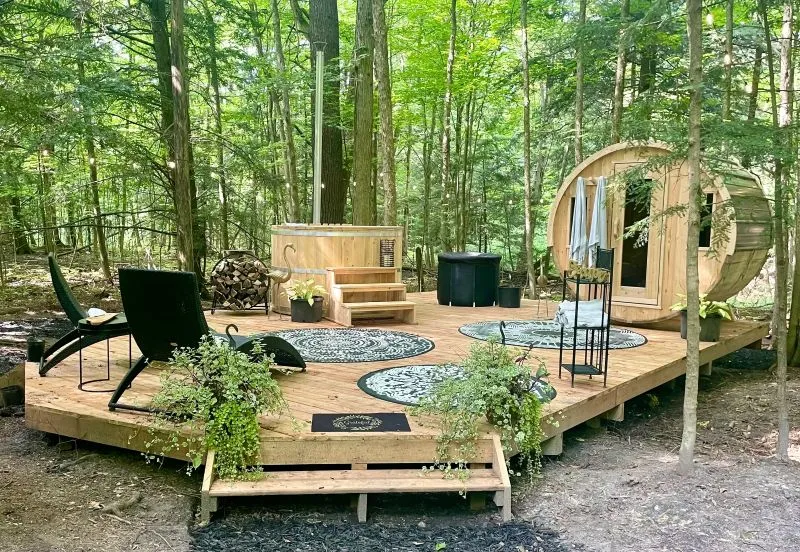
Where to Go Glamping in Ontario: Unleash Your Inner Glamper
Ontario, with its vast landscapes, shimmering lakes, and lush forests, is a nature lover's paradise.... Read More

The Rise of Travel‑First Co‑Living: Redefining Work, Play, and Community
Travel‑first co‑living hubs are transforming tourism by offering integrated workspaces, vibrant ... Read More

Beyond the Lens: Crafting a Sensory Travel Experience
Travel becomes a richer, more immersive adventure when you engage all five senses. This article expl... Read More
Top Posts

Beyond the Funnel: Building a Sustainable B2B Flywheel
Learn why the traditional marketing funnel is limiting B2B growth and how a flywheel approach—focused on micro‑moments, community, and data—creates contin...Read More

From Gowns to Greatness: Turning Your Graduation into a Personal Brand Launchpad
Discover a fresh approach to prom and graduation that goes beyond the ceremony—turning your cap and gown into a personal brand launchpad that fuels future car...Read More

Fermentation at Your Desk: Simple Gut‑Friendly Foods for Busy Professionals
Learn how easy, desk‑friendly fermentation can enhance digestion, energy, and focus with simple recipes and practical tips for busy professionals....Read More

The Hidden Engine Behind Tomorrow’s Journeys: Adaptive Travel Platforms
Adaptive travel platforms blend real‑time data, AI guides, and local micro‑stories to create personalized, sustainable journeys, turning travel planning int...Read More
0 Comments
Post Comment
You will need to Login or Register to comment on this post!