
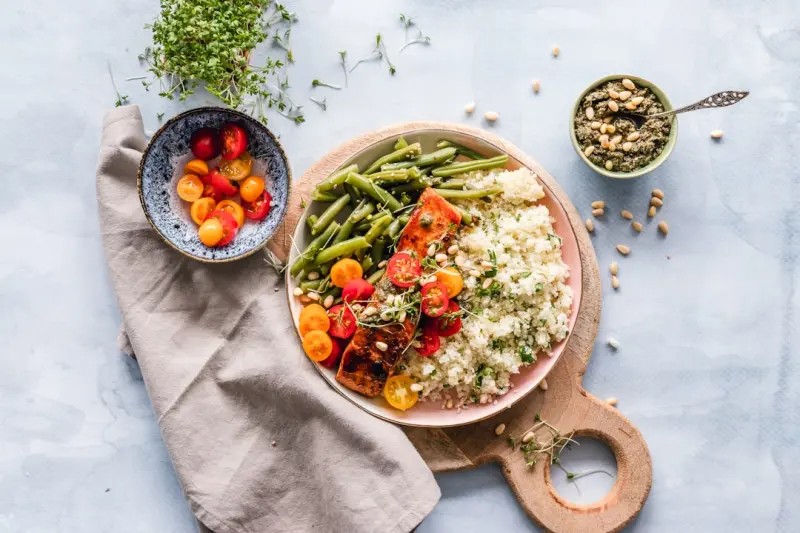
Snack Smarter: Uncovering the Power of Plant‑Based Crunch
When I first walked into a grocery aisle looking for a quick bite, the shelves shouted “processed, sugary, and full of hidden additives”. I was tired of the same old narrative that healthy eating meant bland, unsatisfying meals. Over the past few years I’ve been on a personal quest to find snacks that don’t just fill the gap between meals but actually fuel my body, sharpen my focus, and still feel indulgent. The answer? A wave of plant‑based snacks that combine science‑backed nutrition with bold, unexpected flavors.
Why Plant‑Based Snacks Are Gaining Momentum
Two forces are driving the surge of plant‑centric snack options:
- Consumer awareness: People are more informed about the impact of excess sugar, refined carbs, and saturated fats on long‑term health. A growing segment of shoppers reads ingredient labels like a novel, looking for protein, fiber, and micronutrients.
- Innovation in food tech: Advances in ingredient extraction, extrusion technology, and fermentation have unlocked textures and tastes that were once impossible without animal products.
What’s exciting is that these developments aren’t happening in isolation. They intersect with broader trends in sustainability, data‑driven agriculture, and even the creative culinary movements we see across the country.
Understanding the Nutrient Blueprint
Before you reach for a bag of chickpea puffs or a bar made from algae, ask yourself three foundational questions:
- Protein source: Is the protein coming from legumes, nuts, seeds, or novel sources like mycoprotean fungi? Look for a minimum of 5‑7 grams of protein per serving to keep muscles supported and hunger at bay.
- Fiber content: Dietary fiber not only aids digestion but also stabilizes blood sugar. Aim for at least 3 grams of fiber per snack.
- Micronutrient boost: Some snacks are fortified with vitamin B12, iron, or omega‑3s sourced from algae. These additions can close gaps often seen in plant‑heavy diets.
When a product checks these boxes, you’ve got a snack that does more than curb cravings—it contributes to your daily nutrient targets.
Flavor Without Compromise
One myth that persists is that healthy snacks must taste like cardboard. The truth is that modern flavor engineering, especially the resurgence of fermentation techniques, is delivering depth and umami that rival traditional junk food.
Fermentation breaks down complex plant proteins into amino acids that our taste buds love, creating savory notes that were previously only achievable with meat or cheese. Think of a miso‑infused roasted seaweed snack or a kimchi‑spiced lentil chip. These products use natural microbes to develop flavor complexity while adding probiotic benefits.
Spotlight on Three Standout Categories
1. Legume‑Based Crisps
Chickpeas, lentils, and peas are becoming the new corn. When extruded and lightly seasoned, they deliver a crunchy texture that satisfies the same brain signals we get from potato chips. Look for brands that roast the legumes at low temperatures to preserve heat‑sensitive nutrients like folate.
2. Nut & Seed Clusters
Almond, pumpkin seed, and sunflower clusters often combine with a drizzle of natural sweeteners (date paste, maple syrup) and a pinch of sea salt. The result is a snack that offers healthy fats, magnesium, and a satisfying chew. Pair them with a piece of dark chocolate for an antioxidant‑rich treat.
3. Algal Bars and Bites
Algae is a powerhouse of protein, iodine, and omega‑3 fatty acids. Bars made from spirulina or chlorella can be flavored with citrus zest or cacao nibs for a refreshing taste. Because algae grows in water, its environmental footprint is tiny compared to animal‑based protein.
How Data‑Driven Farming Enhances Snack Quality
Behind each legume or seed lies a story of precision agriculture. Farmers are now leveraging satellite imaging, soil sensors, and AI analytics to optimize nutrient density at the field level. These data‑powered farming insights ensure that the beans you snack on have higher levels of essential amino acids and antioxidants than a decade ago.
When growers can pinpoint exactly when to irrigate, fertilize, or harvest, the resulting crops are not only more sustainable but also richer in the micronutrients that matter most for snack performance.
Choosing the Right Snack: A Practical Checklist
Next time you stand in front of the snack aisle, bring this quick audit with you:
- Ingredient list length: Fewer than five recognizable ingredients usually signal minimal processing.
- Sugar count: Aim for less than 5 grams per serving. Watch for hidden sugars under names like dextrose, maltodextrin, or agave syrup.
- Salt level: Keep sodium under 150 mg per serving to avoid unnecessary blood pressure spikes.
- Allergen transparency: If you have sensitivities, look for clear labeling about nuts, soy, or gluten.
- Packaging footprint: Choose options with recyclable or compostable packaging to align with eco‑conscious values.
Pairing Snacks with Lifestyle Hacks
Even the best snack can fall short if it’s consumed at the wrong time. Here are three evidence‑based pairing strategies:
- Pre‑workout fuel: Combine a handful of nut clusters with a piece of fruit for quick carbs and sustained protein.
- Mid‑afternoon focus: A legume crisp paired with a cup of green tea offers a gentle caffeine lift plus steady‑release protein.
- Post‑dinner digest: An algal bar with a small amount of dark chocolate can satisfy a sweet tooth while delivering antioxidants that support overnight recovery.
Supporting Local Producers While Scaling Up
One of the joys of discovering new snacks is the ability to support smaller, regional producers who prioritize quality over volume. Many of these businesses are directly linked to farmers' resilience stories, where community‑focused agriculture meets innovative processing.
When you buy from these sources, you’re investing in a supply chain that values transparency, fair wages, and regenerative practices—benefits that eventually ripple out to your own health and the planet’s wellbeing.
Future Outlook: The Next Generation of Smart Snacks
Looking ahead, we can expect snack companies to integrate even more technology into their products:
- Personalized nutrition algorithms: Apps that sync with wearable data to suggest snack choices based on your activity level, sleep quality, and macronutrient needs.
- Biodegradable “smart” packaging: Materials that change color when the product is past its optimal freshness window, reducing waste.
- Upcycled ingredients: Turning food industry by‑products—like fruit pulp or oat bran—into nutrient‑dense snack bases.
These trends promise a future where snacking feels like an act of self‑care rather than a compromise.
My Personal Snack Rotation
To give you a concrete example, here’s my current weekly snack rotation—each item checks the protein, fiber, and flavor boxes I described earlier:
- Roasted chickpea “pita” chips with smoked paprika.
- Almond‑pumpkin seed clusters glazed with a hint of orange zest.
- Spirulina‑cacao bite bars, wrapped in compostable paper.
- Fermented lentil crackers paired with avocado spread.
- Seaweed sheets lightly salted and drizzled with sesame oil.
Switching up the flavors keeps my palate engaged, and the varied nutrient profile ensures I’m not missing any essential micronutrients throughout the week.
Takeaway
Healthy snacking doesn’t have to be a dull, repetitive chore. By focusing on plant‑based options that prioritize protein, fiber, and micronutrient density, you can transform a simple bite into a powerful health booster. Leverage the latest food‑tech innovations, support data‑driven farmers, and keep an eye on emerging trends to stay ahead of the curve. Your body—and your taste buds—will thank you.

Related Posts
The Secret Ingredients to a Healthier, Happier You
From farm‑to‑fork wisdom to snack hacks, I share my personal playbook for turning everyday meals... Read More

Unlocking the Hidden Synergy of Food Pairings for Peak Vitality
Explore the science of nutrient synergy and learn practical food pairings that enhance absorption, r... Read More
Beyond the Plate: How Mindful Snacks Power Remote Teams
A deep dive into the science of snack nutrition, seasonal produce, and sustainable sourcing shows ho... Read More
Top Posts

The Shifting Tides of Canadian Politics: A Call for Authentic Leadership
Canadian politics needs authentic leaders who understand and represent the values of its citizens. Learn how we can create a more just and equitable society....Read More

The Silent Surge: How Nationwide Broadband is Rewriting Canada’s Future
A deep dive into Canada’s broadband rollout reveals its transformative impact on remote work, healthcare, education, and economic growth, highlighting the nee...Read More

Why Brand Advocacy is the Secret Weapon in B2B Growth
Brand advocacy transforms satisfied clients into enthusiastic promoters, delivering a powerful, authentic growth channel for B2B firms. Learn the blueprint, met...Read More

Why Co‑Living Is the Smartest Money Move for Modern Renters
Explore the financial and social benefits of co‑living, from split utilities and bulk food purchases to shared amenities and risk‑sharing, and learn if this...Read More
0 Comments
Post Comment
You will need to Login or Register to comment on this post!