
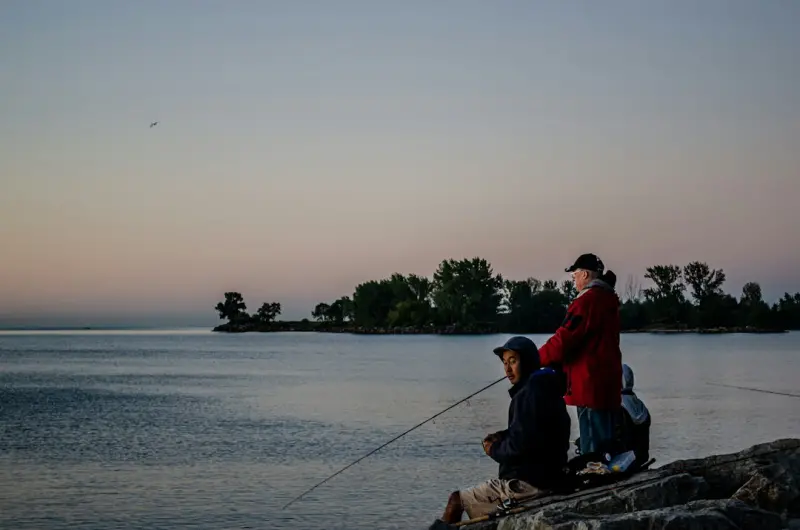
Why Ontario Anglers Are Turning to Data
For most of us who grew up on the shores of Lake Simcoe or the tributaries of the Ottawa River, fishing has always been about patience, intuition, and a good story to tell at the dock. That narrative is shifting. The proliferation of smartphones, affordable environmental sensors, and community‑driven data platforms is giving anglers a new kind of edge—one that’s quantifiable, shareable, and, most importantly, sustainable. In this post I’ll walk you through the tools, the mind‑set, and the collaborative networks that are turning Ontario’s lakes into living laboratories for smarter, more responsible fishing.
The Tech Stack Behind Modern Angling
When I first tried to overlay a simple water‑temperature chart onto my favorite spot at Lake Erie, I was surprised by how much insight a few degrees could provide. Today, a typical “tech‑savvy” angler’s toolbox includes:
- Mobile Apps that log catches, GPS coordinates, and weather conditions in real time.
- Wireless Sensors placed on buoys or dockside poles, feeding data on temperature, dissolved oxygen, and pH back to the cloud.
- Satellite Imagery and drone footage that reveal surface currents, weed beds, and spawning zones without ever stepping into the water.
- Open‑Source Platforms where anglers share data streams, compare notes, and co‑create predictive models.
What’s fascinating is how these pieces interlock. A sensor might report a sudden dip in oxygen, prompting the app to flag a “stress zone.” An angler sees that alert, adjusts the lure selection, and records a catch. The new data point feeds back into the model, sharpening its accuracy for the next fisherman on the line.
From Hobbyist to Citizen Scientist
Ontario’s Ministry of Natural Resources and Forestry (MNRF) has long encouraged “catch‑and‑release” and reporting through its Fish‑Finder program. However, the next wave of citizen science goes far beyond a single entry on a spreadsheet. By crowdsourcing high‑resolution water‑quality metrics, anglers are effectively becoming a distributed monitoring network, complementing traditional field studies.
Take the soil health strategies pioneered by local farms that double as buffer zones for runoff. Anglers who understand these practices can spot healthier tributaries, which often translate into stronger fish populations. The synergy between agricultural stewardship and aquatic health is a perfect illustration of how data from one ecosystem informs another.
Mapping the Unexplored: Micro‑Habitat Hotspots
Ontario boasts over 250,000 lakes, yet the majority of anglers focus on the well‑trodden “big‑game” spots. With high‑definition sonar and community‑mapped depth charts, we can now identify micro‑habitats—shallow riffles, submerged logs, or spring‑fed seeps—that act as secret nurseries for trout, walleye, and bass.
By layering historical catch data with current sensor feeds, patterns emerge: a 3‑foot temperature gradient may signal a late‑spring influx of cold‑water species, while a consistent rise in algae concentrations could hint at an upcoming bass bloom. These insights allow anglers to diversify their tactics, reducing pressure on over‑fished areas and spreading the economic benefits of tourism across more remote lakes.
Economic Upside: Data‑Driven Tourism
Communities that embrace data sharing see a tangible boost in local revenue. When a small town on the north shore of Lake Nipissing publishes a live “Fish Activity Dashboard,” it draws enthusiasts who are willing to travel, stay overnight, and spend on gear rentals and meals. The ripple effect—jobs for guides, increased patronage for bait shops, and higher occupancy for inns—creates a virtuous cycle.
Moreover, anglers who feel they’re contributing to a larger conservation effort are more likely to invest in sustainable gear, such as biodegradable lures and responsibly sourced rods. This shift in consumer behavior aligns with broader market trends toward eco‑friendly products, giving local businesses a competitive edge.
Regulatory Insights: Staying Ahead of the Curve
Ontario’s fishing regulations are evolving to reflect climate pressures and species shifts. By aggregating real‑time data, angling communities can anticipate rule changes before they’re officially announced. For instance, if temperature trends suggest an early migration of salmon, provincial authorities may adjust opening dates for certain zones.
Having a finger on the data pulse empowers anglers to adapt quickly, ensuring compliance while maximizing their chances on the water. It also provides a feedback loop for regulators, who can see the on‑the‑ground impact of their policies and refine them accordingly.
Community Platforms: The Power of Shared Knowledge
Platforms like Ontario Anglers Hub (a fictional but illustrative example) integrate the tech stack described above and add a social layer: forums, mentorship programs, and “challenge weeks” where participants aim to log a diverse set of species using sustainable practices. The result is a living encyclopedia of local fisheries, curated by the very people who rely on them.
Such ecosystems foster mentorship—veteran guides can coach newcomers on interpreting sensor data, while tech‑savvy youths can teach older anglers how to set up a DIY water sensor using Arduino kits. This intergenerational exchange keeps the fishing culture vibrant and future‑proof.
Practical Steps to Get Started
If you’re intrigued but don’t know where to begin, follow this roadmap:
- Choose a Data Platform: Start with a free app like FishBrain or a local community portal that allows you to log catches and environmental variables.
- Deploy a Simple Sensor: Kits from companies like HydroSense can be mounted on a dock or floating buoy for under $200. They typically measure temperature, conductivity, and dissolved oxygen.
- Contribute to Open Maps: Upload sonar depth readings to shared GIS layers. Many municipalities host public maps that accept community contributions.
- Engage with Local Groups: Join a fishing club or conservation association that already practices data sharing. Attend workshops on drone usage and water quality sampling.
- Track Your Impact: Keep a log of how data-informed decisions change your catch rates and, more importantly, how they affect the health of the water body over time.
Remember, the goal isn’t to replace the art of angling with spreadsheets; it’s to augment intuition with evidence, ensuring we’re fishing smarter, not harder.
Looking Ahead: The Role of AI and Remote Work
As remote work becomes more entrenched, many Ontario residents are rediscovering the allure of weekend trips to secluded lakes. This shift creates an opportunity for AI‑driven recommendation engines that suggest optimal fishing locations based on personal skill level, gear inventory, and current environmental data.
In fact, the same remote‑work geography insights that help professionals choose affordable towns can be repurposed to match anglers with under‑exploited water bodies, balancing human traffic across the province’s vast network of lakes.
Imagine a future where you receive a push notification: “Your preferred walleye spot at Lake St. Clair shows a 15% increase in activity this week. Pack a spinnerbait and head out tomorrow morning.” That’s not science fiction; it’s the next logical step in the data‑driven angling evolution.
Final Thoughts: A Sustainable Future on the Water
Ontario’s fishing heritage is a tapestry woven from generations of stories, respect for nature, and the thrill of the chase. By embracing data, technology, and community collaboration, we can preserve that legacy while adapting to the challenges of climate change, shifting species distributions, and growing demand for outdoor recreation.
The water’s surface may be calm, but beneath it lies a dynamic system waiting to be understood. As anglers, we have the unique privilege—and responsibility—to become both stewards and scientists, ensuring that the lakes we love remain abundant for the next generation of rod‑wielding storytellers.

Related Posts
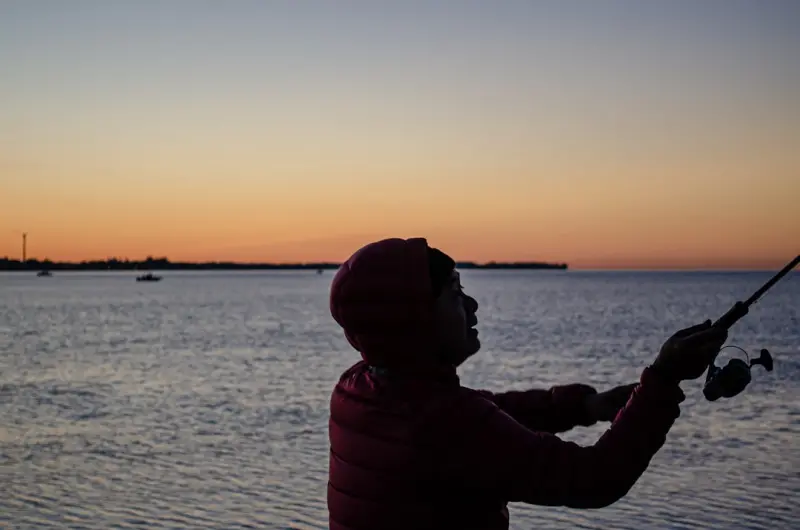
Ontario’s Fresh Take on Fishing: From Urban Shores to Sustainable Adventures
Discover Ontario’s evolving fishing scene—from hidden city spots and budget gear hacks to techâ€... Read More

Chasing the Twilight Trophies: Night‑time Bass Secrets in Ontario’s Lesser‑Known Waters
Explore the unique ecosystem of Ontario’s night waters, learn how to locate hidden hot spots, choo... Read More

Tech‑Enhanced Angling: How Data, Drones, and Wearables Are Revolutionizing Ontario Fishing
Ontario anglers are embracing apps, drones, and smart gear to boost catch rates, protect fish stocks... Read More
Top Posts

Charting New Horizons: Curiosity‑Driven Cruise and Bus Adventures
Explore a fresh approach to travel that intertwines sensory storytelling, local community connections, and thoughtful technology, turning ordinary cruises and b...Read More
Bridging Ancient Roots and Digital Tools: Canadian Farmers Chart a New Future
Canadian farmers are merging centuries‑old Indigenous practices with modern sensor technology and AI, creating resilient, sustainable operations that benefit ...Read More
Decision Hygiene: How to Cleanse Your Business Choices for Sustainable Growth
Decision hygiene is a disciplined practice that filters noise, sets clear criteria, and documents rationale to improve decision‑making, reduce fatigue, and dr...Read More
The Alarming Rise of Mental Health Concerns Among Canadian Parents
Canadian parents are struggling with mental health concerns. Discover the alarming statistics, the impact of social media, and the importance of community suppo...Read More
0 Comments
Post Comment
You will need to Login or Register to comment on this post!