
Why Ontario’s Lesser‑Known Waterways Deserve Your Next Casting
When I first set foot on the shores of Lake Simcoe as a teenager, the roar of the city was a distant hum and the water whispered promises of quiet mornings and patient fish. Over the years, I’ve chased trophy pike on Lake Erie, stalked walleye in the French River, and learned to read the subtle ripples of the Kawartha lakes. Yet, every time I think I’ve mapped the province’s prime spots, a hidden creek or an overlooked tributary beckons, offering a fresh challenge and a deeper connection to the land.
The “Secret” Streams That Still Hold the Best Bite
Ontario boasts over 250,000 lakes, but the real treasure often lies in the smaller bodies of water that escape the tourist guidebooks. Here are three that have quietly become my personal sanctuaries:
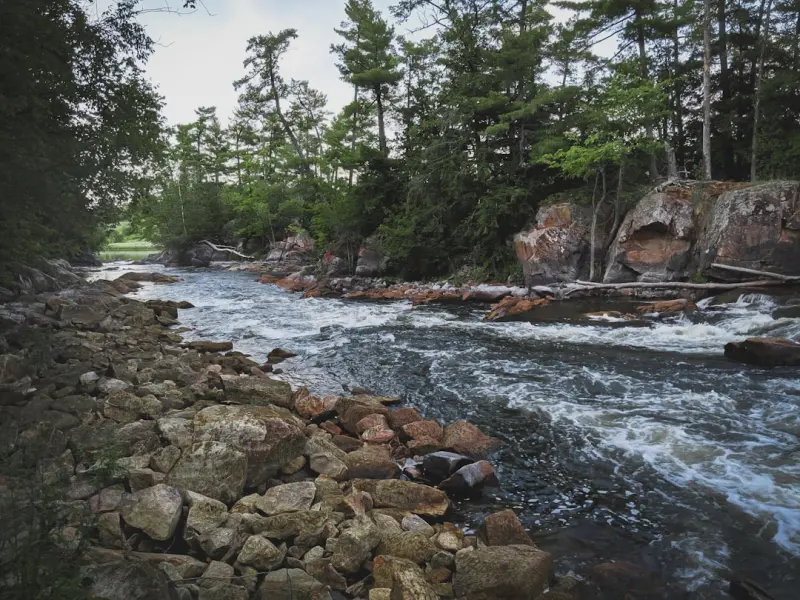
- The Little Ouse Creek (Muskoka): Tucked behind a patch of maple forest, this creek is a ribbon of cool, clear water that runs year‑round. Early spring brings a surge of brown trout, while autumn sees a subtle rise in smallmouth bass. The creek’s canopy provides natural shade, keeping water temperatures ideal for finicky fish.
- Upper Black River (Nipissing District): Many anglers bypass this river, assuming it’s too shallow for anything beyond panfish. In reality, its rocky riffles hide a surprisingly robust population of northern pike. A light spin with a silver spoon during low light hours often results in a striking bite.
- Hickory Run (Niagara Peninsula): A modest, winding stream that feeds into the Niagara River, Hickory Run is renowned among local families for its abundant brook trout. The stream’s gentle current makes it perfect for fly fishing, especially when you match the hatch of the early summer mayflies.
These spots illustrate a simple truth: Ontario’s fishing bounty isn’t limited to the famed Great Lakes. The province’s network of smaller waterways offers intimate experiences that large‑scale fisheries can’t match.
Listening to the Water: How Seasonal Shifts Guide Your Tackle
One of the most rewarding aspects of angling in Ontario is learning to read the rhythm of the seasons. Unlike the rigid calendars found in many fishing guides, the province’s climate is a living, breathing entity that reshapes fish behavior year after year. Below is a quick snapshot of how the seasons speak to the angler:
- Early Spring (March‑April): Ice melt releases a surge of nutrients, prompting a feeding frenzy among trout and walleye. Light, bright‑colored jigs work best as fish are visual hunters after a long, dark winter.
- Late Spring (May‑June): Spawning runs begin for many species. Patience is key; slow presentations and natural bait (like minnows) increase your odds of success.
- Summer (July‑August): Warm water drives fish to deeper, cooler pockets. Drop‑shot rigs and bottom‑bouncing lures become essential as the fish retreat from surface heat.
- Autumn (September‑October): As water temperatures dip, fish become aggressive again, preparing for the winter lull. This is the prime time for aggressive jigging and spinnerbaits.
Understanding these shifts helps you select the right tackle, timing, and location, turning a routine outing into a purposeful pursuit.
Integrating Indigenous Knowledge Into Modern Angling
Ontario’s waterways have been stewarded for millennia by Indigenous peoples whose deep respect for the ecosystem offers valuable lessons for contemporary anglers. I spent a weekend with members of the Anishinaabe community along the Lake of the Woods shore, learning three timeless principles:
- Observe, don’t dominate: Rather than forcing a catch, watch the surface for subtle cues—ripple patterns, feeding birds, or the faint shimmer of a fish breaking the water. These signs often indicate where fish are actively feeding.
- Honor the harvest: Practice catch‑and‑release where regulations allow, and adhere to size and bag limits even when they seem generous. The goal is to sustain fish populations for future generations.
- Seasonal harmony: Indigenous fishing calendars align with natural cycles, avoiding peak spawning periods to protect reproductive success. Aligning your outings with these windows promotes healthier ecosystems.
Adopting these perspectives not only improves your success rate but also deepens your connection to the water, fostering a sense of responsibility that transcends the simple thrill of the catch.
Gear Evolution: From Classic Tackle to Subtle Tech
While the heart of fishing remains unchanged—a quiet moment, a waiting line, a sudden pull—our tools have subtly evolved. I’ve transitioned from heavy‑metal jigs to ultra‑light carbon rods that feel like an extension of my own arm. Here are a few innovations that have enhanced my experience without compromising the sport’s purity:
- Low‑visibility fluorocarbon lines: These lines are virtually invisible underwater, reducing the chance of spooking wary fish in clear Ontario streams.
- Micro‑lure technology: Tiny, realistic imitations of local prey such as caddisflies and stoneflies have become indispensable during hatch periods.
- Smartphone‑compatible depth finders: Compact devices that pair with your phone to display real‑time depth and temperature maps, helping you locate the perfect depth for each species.
Even with these advances, I always remember that the most effective lure is often patience paired with a keen eye for the water’s subtle movements.
Eco‑Friendly Practices Every Ontario Angler Should Embrace
Ontario’s lakes and rivers are delicate ecosystems that require our collective care. Here are some simple practices that protect the environment while enhancing your fishing experience:
- Leave no trace: Pack out every piece of trash, including fishing line, which can entangle wildlife. Use biodegradable hooks when possible.
- Support local conservation initiatives: Many community groups organize shoreline clean‑ups and habitat restoration projects. Volunteering not only improves the water quality but also connects you with fellow anglers who share a stewardship mindset.
- Practice ethical bait use: Opt for locally sourced bait to avoid introducing invasive species. When using live bait, release any non‑target fish promptly and unharmed.
These habits ensure that the waters we cherish remain vibrant and abundant for generations to come.
Connecting the Dots: From Farm to Fork
Ontario’s rich agricultural heritage intersects beautifully with its fishing culture. Fresh‑caught fish paired with locally grown produce makes for a celebration of the province’s natural bounty. For inspiration on how other Canadian producers are integrating modern tools into traditional practices, consider exploring how farms are adopting renewable energy solutions and digital records. A look at this evolving landscape can spark ideas for your own post‑catch meals and community gatherings.
Explore how farms are adding solar power to boost sustainability, and you’ll see parallels in responsible fishing—both aim to preserve resources while enhancing quality.
Stories from the Shore: Community Memories That Bind Us
Every dock, every pier, and every fishing lodge in Ontario holds stories that stitch together a tapestry of shared experience. I recall an evening at the Muskoka Wharf when a seasoned angler handed me his worn‑out wooden box, filled with hand‑tied flies he’d crafted for decades. He spoke of the lake’s changing moods, the way the moonlight made the surface glisten, and the importance of passing these tales to younger generations.
These narratives are more than nostalgia; they serve as oral maps, guiding newcomers through hidden currents and teaching seasoned anglers the value of humility. When you share your own story—whether it’s a triumph over a massive pike or a quiet sunrise on a misty lake—you contribute to a living archive that enriches the entire community.
Future Outlook: Anticipating Changes in Ontario’s Fisheries
Climate patterns, regulatory adjustments, and evolving land use all influence the future of Ontario’s fisheries. While predictions can be uncertain, a few trends are emerging:
- Temperature‑driven species shifts: Warmer waters may encourage the northward migration of species like smallmouth bass, while cold‑water trout may seek deeper refuges.
- Enhanced data collection: Provincial agencies are investing in electronic monitoring systems to track catch rates, helping to inform sustainable quotas.
- Collaborative management: Partnerships between government, Indigenous groups, and local anglers are fostering inclusive decision‑making processes.
Staying informed about these developments ensures that our fishing practices remain adaptable and responsible.
Putting It All Together: Your Next Ontario Fishing Adventure
Whether you’re a seasoned angler seeking new challenges or a newcomer eager to dip a line for the first time, Ontario offers a boundless canvas of water, wildlife, and wonder. By exploring off‑the‑beaten‑path streams, honoring seasonal cues, integrating timeless Indigenous wisdom, and embracing eco‑friendly habits, you’ll discover a richer, more fulfilling connection to the water.
Ready to plan your next trip? Start by mapping out one of the hidden waterways mentioned above, pack light but thoughtful gear, and set aside time to listen to the water’s story. The reward isn’t just a fish on the hook; it’s the quiet satisfaction of becoming part of Ontario’s enduring aquatic narrative.
For further reading on how technology is reshaping Canadian agriculture and how farms are moving toward greener energy, check out this insightful piece: explore blockchain in farming. It may spark fresh ideas for integrating sustainable practices into your own fishing routine.
And if you’re curious about how modern homesteads are blending traditional living with contemporary comforts, you might find this article useful: see how modern homesteads adapt. The parallels between thoughtful land stewardship and responsible angling are striking.

Related Posts
Ontario’s Hidden Fishing Frontiers: Night, Ice, and Sustainable Adventure
Explore Ontario’s shifting seasons, nighttime ice fishing thrills, sustainable techniques, and how... Read More
Reeling in Change: How Ontario Anglers Are Shaping a Sustainable Future
Ontario’s anglers are forging a new path, combining smart gear, Indigenous wisdom, and inclusive c... Read More
Rethinking Ontario Fishing: How Data, Drones, and Community Are Changing the Catch
A deep dive into the new wave of tech‑savvy, community‑focused fishing in Ontario, exploring dro... Read More
Top Posts

Beyond the Checklist: Crafting Immersive Journeys Through Community, Cuisine, and Night Skies
Explore a fresh travel formula that blends local collaborations, culinary market tours, and nocturnal nature experiences, turning ordinary trips into personal n...Read More

Restaurant Reinvention: Data, Subscription & Zero‑Waste Strategies
Discover how restaurants are using data analytics, AI-powered menus, subscription dining, and zero‑waste innovations to stay ahead in a competitive market....Read More

Forgotten Sweeteners Making a Sweet Comeback in Modern Desserts
Discover the rise of forgotten sweeteners—from maple sap to palm sugar—and how they're enriching today's desserts with nuanced flavor, heritage, and sustain...Read More

Beyond Borders: How Modern Tariffs Spark Local Innovation
Tariffs are evolving from simple tax tools into strategic levers that drive regional innovation, sustainable supply chains, and new business models. This post r...Read More
0 Comments
Post Comment
You will need to Login or Register to comment on this post!