
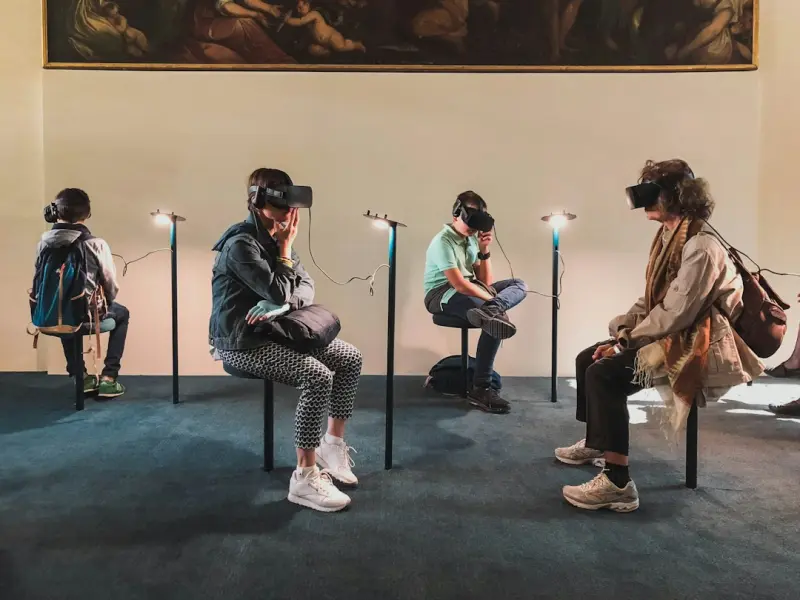
Stepping Into the Future: Virtual Reality’s Quiet Revolution in Chronic Pain Management
When I first tried a VR headset to explore a digital art museum, I never imagined that the same technology could become a lifeline for people living with chronic pain. As someone who has spent years navigating the labyrinth of health‑focused startups, I’ve learned that true breakthroughs often arrive from the most unexpected corners of tech. Today, I’m pulling back the curtain on a movement that’s quietly reshaping how clinicians, insurers, and patients approach one of medicine’s most stubborn challenges.
The Chronic Pain Conundrum
Chronic pain isn’t just a symptom—it’s a complex, multidimensional experience that intertwines physical sensations with emotional, social, and economic threads. The World Health Organization estimates that nearly one in five adults lives with persistent pain, yet conventional treatments—pharmacology, physical therapy, and surgery—deliver limited relief for many. Opioid dependence, side‑effects, and the sheer cost of ongoing care have left a gaping void that the medical community is desperate to fill.
Why VR? More Than a Fancy Distraction
Virtual reality’s allure goes far beyond its novelty factor. At its core, VR is a sensory immersion engine. By simultaneously feeding the brain visual, auditory, and sometimes haptic cues, it can rewrite the brain’s pain‑processing pathways—a phenomenon known as “neuroplasticity.” In controlled studies, participants who engaged in immersive VR experiences reported up to a 30% reduction in perceived pain intensity after just a single session.
But the magic isn’t merely in the numbers; it’s in the stories. I recently chatted with Maya, a graphic designer from Toronto who has battled neuropathic pain for years. After a six‑week VR program tailored to her condition, she told me she could finally sit through a client meeting without the familiar “heat” that used to flare up every hour. Maya’s experience mirrors a growing chorus of patients who describe VR as a “mental vacation” that grants their nervous system a temporary reprieve—and, over time, a lasting shift.
From Gaming Labs to Clinical Suites
VR’s journey from the living rooms of gamers to the sterile corridors of hospitals didn’t happen overnight. Early adopters were research labs experimenting with head‑mounted displays to distract burn victims during wound care. The results were compelling enough to spark interest from rehabilitation centers, who began piloting VR for stroke recovery and balance training.
Fast forward to today, and we see an ecosystem of startups, academic institutions, and health systems collaborating on purpose‑built platforms. Companies are designing VR modules that target specific pain pathways—think “virtual beach walks” for lower‑back discomfort or “guided breathwork” sessions for migraine sufferers. These platforms integrate real‑time biometric feedback (heart rate, skin conductance) to adapt the experience on the fly, ensuring that the immersion stays therapeutic rather than overwhelming.
Integrating VR Into Existing Care Pathways
For VR to move from a niche novelty to a mainstream therapeutic tool, it must fit seamlessly within the existing health‑care workflow. Here’s how that integration is unfolding:
- Prescription‑Level Access: Physicians are now able to “prescribe” VR sessions much like physical therapy appointments, with insurers beginning to reimburse for evidence‑based programs.
- Data‑Driven Personalization: The same way farmers harness data to grow smarter, clinicians are using analytics from VR sessions to fine‑tune treatment plans, tracking metrics such as session duration, pain rating changes, and engagement levels.
- Home‑Based Continuity: Portable VR headsets allow patients to continue therapy outside the clinic, bridging gaps in access—especially for those living in remote or underserved communities.
Economic Implications: A Win‑Win for Patients and Payers
Chronic pain is a massive financial burden. In Canada alone, indirect costs—lost productivity, disability claims, and caregiver expenses—run into billions annually. VR’s potential to reduce reliance on expensive pharmaceuticals and invasive procedures could translate into substantial cost savings for both patients and health‑care systems.
Insurance providers are taking notice. Early pilots report that participants who engaged in a 12‑week VR regimen required 20% fewer opioid prescriptions and reported fewer emergency department visits. When the dollar signs line up with improved health outcomes, the case for widespread adoption becomes hard to ignore.
Addressing the Skeptics: Evidence, Not Hype
It’s natural to be wary of any technology that promises a “miracle cure.” The good news is that VR’s efficacy is increasingly backed by rigorous research. Randomized controlled trials published in journals like JAMA Network Open and The Lancet Digital Health demonstrate statistically significant pain reductions across diverse patient groups, from post‑surgical recovery to cancer‑related neuropathy.
Moreover, VR’s safety profile is impressive. Unlike pharmacological interventions, there’s no risk of systemic side‑effects. The primary concerns revolve around motion sickness and proper equipment hygiene—issues that manufacturers are addressing with lightweight designs and antimicrobial surfaces.
Potential Pitfalls and How to Navigate Them
While the promise is bright, the path forward isn’t without obstacles:
- Accessibility Gaps: High‑end VR rigs can be pricey. However, the market is rapidly democratizing; affordable stand‑alone headsets are emerging, and some community health centers are securing grant funding to purchase equipment for patients.
- Digital Literacy: Not every patient feels comfortable with tech. Training modules and in‑clinic support staff can ease the onboarding process, ensuring that the technology serves rather than alienates.
- Regulatory Landscape: As VR straddles the line between medical device and consumer product, clear regulatory guidance is essential. Agencies are beginning to draft frameworks that recognize VR’s therapeutic potential while safeguarding patient data.
Beyond Pain: The Ripple Effects on Overall Wellness
VR’s impact isn’t confined to pain relief. Immersive environments have shown promise in managing anxiety, depression, and even chronic fatigue. By fostering a sense of presence and control, VR can empower patients to reclaim agency over their health—a subtle yet profound shift that resonates with the broader movement toward holistic, patient‑centered care.
In fact, the convergence of VR with other health trends—like fermented foods and the growing emphasis on gut health—creates a multi‑dimensional toolkit for wellbeing. Imagine a scenario where a patient engages in a VR guided meditation focused on mindfulness while simultaneously following a diet enriched with probiotic‑rich foods. The synergistic effect could amplify outcomes far beyond what each modality achieves alone.
What the Future Holds: A Vision for 2030 and Beyond
Looking ahead, I see VR becoming a cornerstone of “digital therapeutics”—a category of software‑based interventions that are prescribed, reimbursed, and regulated like any other medication. Here are three trends I anticipate:
- AI‑Driven Adaptive Content: Machine learning algorithms will curate personalized VR experiences in real time, responding to a patient’s physiological signals and emotional state.
- Interoperability with Electronic Health Records (EHRs): Seamless data flow will allow clinicians to monitor progress, adjust prescriptions, and share insights across care teams without leaving their existing platforms.
- Community‑Based VR Hubs: Public libraries, community centers, and even workplaces may host VR stations, democratizing access and fostering social support networks for chronic pain sufferers.
Takeaway: Embrace the Immersive Journey
For anyone who has watched a loved one grapple with relentless pain, the emergence of VR as a credible therapeutic ally is nothing short of inspiring. It reminds us that innovation isn’t always about inventing something brand new; sometimes it’s about repurposing existing tools in ways that speak to human needs.
If you’re a health‑tech entrepreneur, a clinician eager to expand your toolkit, or a patient seeking alternatives, I encourage you to explore the world of immersive therapy. The technology is evolving fast, the evidence base is solidifying, and the potential to transform lives is enormous. Dive in, experiment responsibly, and join the growing chorus that believes the future of chronic pain care is not just about managing symptoms, but about reshaping experiences—one immersive moment at a time.

Related Posts

Unlocking the Power of Micro‑Movements: Tiny Habits for Big Health Wins
Learn how tiny, intentional actions called micro‑movements can create lasting health improvements,... Read More

The Quiet Revolution in Everyday Health: Biofeedback, Breathwork, and Self‑Regulation
Learn how to use heart‑rate variability and a five‑minute daily breathwork routine to boost reco... Read More

Reset Your Rhythm: A Practical Guide to Sleep Mastery
Unlock the power of restorative sleep with simple, evidence‑based tips. From bedroom hacks to mind... Read More
Top Posts

The Business Case for Community‑Driven Product Development
Community‑driven product development turns customers into co‑creators, shortening cycles, increasing adoption, and building lasting loyalty—key advantages...Read More

Trump's 51st State? Nope, Canada's Saying "Hold My Poutine!"
Okay, let's get one thing straight right off the bat. I'm Canadian. Born and bred. I bleed maple syrup, apologize excessively, and love my poutine (don't judge)...Read More

When Sound Becomes a Secret Ingredient: Tuning Your Taste Buds
Discover the science behind sonic pairings and learn practical ways to use music and sound to amplify flavors at home or in a restaurant, creating a multisensor...Read More
Dr. Oetker's Canadian Crescendo: Introducing Suprema Pizza with an Operatic Flourish
Dr. Oetker, a name synonymous with quality and innovation in the food industry, is a global giant with a significant presence in Canada. While its roots are fir...Read More
0 Comments
Post Comment
You will need to Login or Register to comment on this post!