
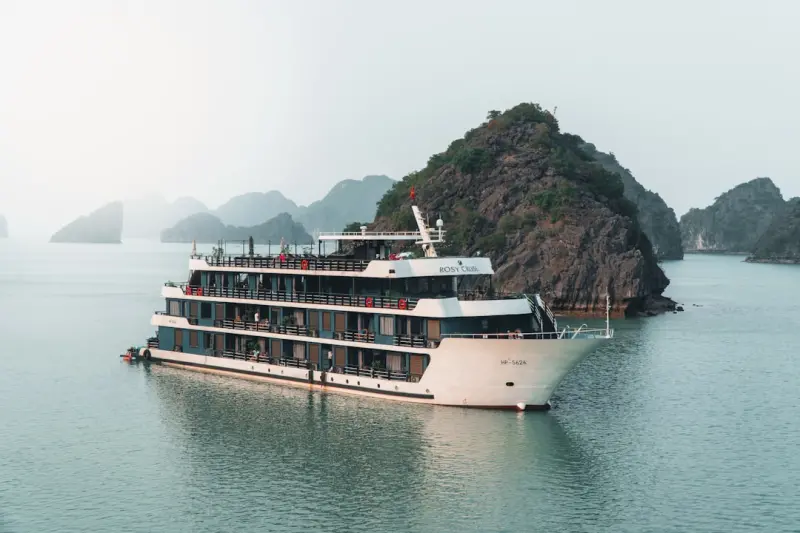
When travelers start to crave more than a single‑dimensional getaway, the industry answers with hybrid experiences that blend the romance of ocean sailing with the freedom of over‑land exploration. The newest wave of integrated cruise‑and‑bus tours is turning the traditional vacation script on its head, offering a seamless transition from sea breezes to open highways without the logistical headaches that once deterred adventurous souls.
Why a Land‑Sea Combo Is Gaining Traction
Modern vacationers are looking for depth, variety, and authenticity—all in one package. A hybrid itinerary delivers:
- Continuous narrative: Instead of treating a cruise and a separate road trip as isolated chapters, the combined journey tells a single story that unfolds from port to pasture.
- Optimized time: By coordinating sailing schedules with bus routes, travelers avoid idle days waiting for connections, maximizing every hour on the road or water.
- Environmental efficiency: Shared logistics reduce duplicated fuel consumption, and many operators are now sourcing low‑emission vessels and hybrid buses to lower the carbon imprint.
- Enhanced personalization: Advanced booking platforms let guests pick thematic “modules”—culinary, cultural, wellness, or remote‑work—then stitch them together across sea and land.
Designing the Experience: From Port to Pavement
The success of these tours hinges on meticulous design. Here’s a typical flow:
- Embarkation hub: Guests gather at a coastal city known for its transport infrastructure—think a well‑connected airport and a modern cruise terminal.
- Sea segment: A mid‑size vessel sails along a scenic coastline, offering onboard workshops, local music, and curated shore excursions.
- Transition point: At the final port, passengers disembark directly onto a fleet of comfortable, climate‑controlled buses equipped with Wi‑Fi and charging stations.
- Land segment: The bus routes follow historic trails, wine valleys, or national parks, stopping at boutique inns, farm‑to‑table restaurants, and community‑run museums.
- Return loop: The journey concludes back at the original hub, where guests can either fly home or extend their stay with a short city break.
This choreography eliminates the usual “gap” that separates cruise passengers from road‑trip explorers, making the whole adventure feel like one continuous expedition.
Technology That Bridges the Gap
Seamless integration would be impossible without smart tech solutions. Operators are adopting:
- Unified booking engines: One platform handles cabin selections, bus seat reservations, and optional add‑ons, presenting a single invoice and itinerary.
- Real‑time tracking dashboards: Both crew and travelers can see vessel positions, bus locations, and upcoming stops, reducing uncertainty.
- Contactless services: From digital boarding passes to QR‑coded menus on the ship and onboard bus, the experience stays fluid and hygienic.
In fact, the rise of voice‑enabled hospitality is spilling over into these journeys, letting passengers order meals, request cabin cleaning, or ask for local recommendations without lifting a finger.
Wellness on the Move: More Than Just a Stretch
Travel fatigue is a real concern, especially when switching environments. To counteract this, many hybrid tours embed short, purposeful pauses designed to refresh both body and mind. These “quick wellness pauses” might include guided meditation on the deck, a sunrise yoga session beside a riverbank, or a brief walk through a botanical garden. The concept mirrors the benefits of short, intentional breaks that have been shown to improve focus and mood.
For those who thrive on movement, the bus cabins are outfitted with ergonomic seats, adjustable lumbar supports, and ambient lighting that mimics natural daylight cycles—helping maintain circadian rhythms even while on the road.
Local Immersion: From Global to Hyper‑Local
Hybrid tours excel at weaving local culture into the larger itinerary. While a cruise might stop at a famous port for a quick glimpse, the bus segment can linger longer, allowing guests to:
- Participate in a family‑run cooking class that uses regional ingredients.
- Join a community‑led conservation project, such as a beach clean‑up or a reforestation walk.
- Explore off‑the‑beaten‑path villages where traditional crafts are still practiced.
These experiences foster genuine connections and give travelers a sense of contributing to the places they visit, rather than simply observing them.
Remote Work: Turning the Cabin Into an Office
With flexible work arrangements becoming the norm, many travelers are seeking destinations that let them stay productive while enjoying a vacation vibe. Hybrid itineraries answer this by providing:
- High‑speed satellite internet on both ship and bus, ensuring reliable connectivity.
- Quiet “focus pods” on deck and in select bus cabins, equipped with adjustable desks and noise‑cancelling headphones.
- Scheduled “work windows” where the itinerary slows down, giving passengers time to attend virtual meetings without missing scenic highlights.
This blend of leisure and productivity creates a new category of “work‑and‑wander” travel, appealing to digital nomads, consultants, and corporate teams looking for team‑building experiences away from the office.
Sustainability: Reducing the Footprint, Not the Fun
Environmental stewardship is a core pillar of the hybrid model. Operators are taking steps such as:
- Utilizing low‑sulfur fuels for ships and hybrid‑electric buses for land travel.
- Partnering with carbon‑offset programs that invest in renewable energy projects in the regions visited.
- Providing reusable dining ware and eliminating single‑use plastics across the entire journey.
These actions resonate with eco‑conscious travelers who want to explore the world responsibly.
Case Study: The Pacific Coast Connector
One pioneering route, dubbed the “Pacific Coast Connector,” starts in a bustling West Coast port city, sails along the scenic shoreline, and then transitions onto a fleet of solar‑assisted buses that travel up the coastline, stopping at vineyards, indigenous cultural centers, and coastal rainforests. Highlights include:
- Sunset dinner on the deck featuring sustainably sourced seafood paired with local wines.
- A day‑long immersion with a coastal Indigenous community, learning traditional fishing methods and storytelling.
- Overnight stays in eco‑lodges that generate their own power through wind turbines.
Travelers have praised the journey for its cohesive narrative and the ease of moving from sea to land without juggling separate bookings or logistics.
Future Outlook: Where the Hybrid Model Is Heading
Industry analysts predict that the integration of land and sea travel will expand beyond traditional cruise corridors. Possible developments include:
- Multi‑modal passes: Subscription‑style tickets that grant access to a network of ships, buses, and even regional rail lines.
- Dynamic routing: AI‑driven itineraries that adapt in real time based on weather, passenger preferences, and local events.
- Health‑focused modules: Partnerships with healthcare providers offering on‑board wellness checks, nutrition counseling, and even tele‑health consultations during the journey.
These innovations echo the broader movement toward flexible, experience‑centric travel that puts the traveler’s story at the forefront.
Getting Started: Tips for Planning Your First Hybrid Adventure
If you’re intrigued by the idea of a seamless land‑sea vacation, keep these pointers in mind:
- Research operators: Look for companies that clearly outline both the maritime and over‑land components, with transparent schedules and sustainability commitments.
- Prioritize flexibility: Choose itineraries that allow you to add or swap modules—whether you want an extra culinary stop or a longer wellness retreat.
- Check connectivity: Verify that internet and mobile coverage are reliable on both ship and bus, especially if you plan to work remotely.
- Pack smart: Bring versatile clothing that suits both sea breezes and inland climates, and consider compact, multi‑purpose gear for activities ranging from hiking to formal dinners.
- Engage locally: Take advantage of the land segment to interact with residents, support local businesses, and learn regional histories.
By approaching the experience with curiosity and a willingness to step outside the usual vacation mold, you’ll discover a world where the horizon stretches from the endless ocean to the winding road ahead.
Conclusion: A New Era of Travel Narrative
Hybrid cruise‑bus expeditions are reshaping how we think about vacations. They fuse the romance of sailing with the freedom of over‑land discovery, all while embracing technology, wellness, and sustainability. As more travelers seek depth over distance, these integrated journeys will likely become a staple of the modern travel landscape—offering a richer, more connected way to explore the globe.

Related Posts
Why City Cruises Should Be Your Next Adventure
Are you yearning for a unique perspective, a fresh breeze, and a memory that will last a lifetime? F... Read More
The Storytelling Revolution: How Cruises and Bus Tours Are Turning Travel Into a Live Narrative
Travelers now crave immersive narratives, and cruise lines and bus operators are answering with stor... Read More
Beyond the Horizon: Digital Storytelling Takes the Wheel on Cruises and Bus Tours
Travel is no longer just a route; it’s a living story. Discover how cruises and bus tours are usin... Read More
Top Posts

Rewilding Ontario’s Lakes: Community Anglers Restoring Fish Populations
A fresh look at Ontario’s fishing scene reveals a grassroots movement where community anglers, Indigenous wisdom, and habitat restoration projects are working...Read More

When Sound Becomes a Secret Ingredient: Tuning Your Taste Buds
Discover the science behind sonic pairings and learn practical ways to use music and sound to amplify flavors at home or in a restaurant, creating a multisensor...Read More

From Coast to Coast: Building a Nationwide Culture of Data Literacy
A fresh look at why data literacy is essential for every Canadian, outlining practical steps for schools, communities, and businesses to foster a culture of inf...Read More

Turning Data into Dialogue: The New Frontier of Conversational Marketing
Discover why traditional funnel tactics are fading and how integrating conversational AI with a robust knowledge base can turn data into dynamic dialogue, accel...Read More
0 Comments
Post Comment
You will need to Login or Register to comment on this post!