
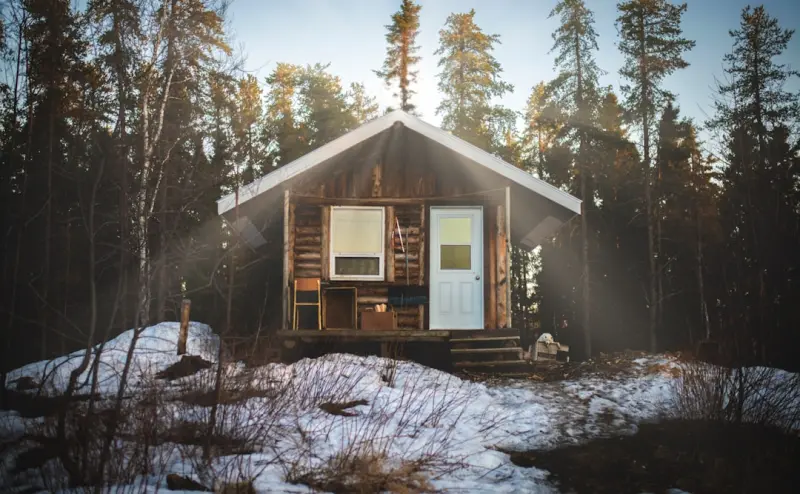
Canada’s rugged shoreline, towering pines, and snow‑capped peaks have always beckoned dreamers who crave a life that feels both rooted and adventurous. Over the past few years, a quiet revolution has taken hold: the rise of micro‑cabins—compact, thoughtfully designed dwellings that blend modern comfort with the raw beauty of the Canadian wilderness. These aren’t just tiny houses; they’re intentional habitats that let you wake up to the crack of a loon’s call, sip coffee while the sunrise paints the lake gold, and retreat into a space that feels larger than its square footage because of the landscape that frames it.
Why Micro‑Cabins Are More Than a Trend
At first glance, a micro‑cabin might seem like a novelty for Instagram‑savvy millennials, but the appeal runs deeper. For many Canadians, it’s a response to three converging pressures: soaring housing costs in urban centers, a growing desire for sustainability, and an ever‑increasing craving for authentic nature experiences. The micro‑cabin offers a pragmatic solution—affordable land, lower construction costs, and a drastically reduced ecological footprint. It also aligns with a broader cultural shift toward “right‑sizing” our lives: choosing quality of environment over quantity of possessions.
Choosing the Right Spot: From Lakeside to Forest Edge
The first decision when planning a micro‑cabin is the location. Canada’s geography provides a buffet of options:
- Lakefront parcels in Ontario’s cottage country or Alberta’s Rocky Mountain foothills, perfect for water‑based recreation.
- Forest clearings in Nova Scotia’s Acadian region, where you can hear the whisper of spruce needles.
- Coastal cliffs on the Atlantic provinces, offering dramatic ocean vistas and salty breezes.
Each setting brings unique considerations: access to power, water rights, seasonal accessibility, and local zoning regulations. It’s essential to consult municipal bylaws and, where relevant, Indigenous land agreements to ensure respectful and legal development.
Design Principles That Maximize Space and Comfort
When you’re working with 200 to 400 square feet, every design choice matters. Here are a few principles that have proven successful for Canadian micro‑cabins:
- Vertical storage: Lofted sleeping areas, wall‑mounted cabinets, and fold‑down desks keep the floor clear.
- Multipurpose furniture: A bench that doubles as a storage chest, a table that folds into the wall, or a sofa that converts into a guest bed.
- Large glazing: Floor‑to‑ceiling windows and sliding doors blur the line between interior and exterior, making the cabin feel expansive.
- Thermal envelope: Triple‑pane windows, insulated panels, and an airtight construction envelope keep the cabin warm during harsh Canadian winters without over‑reliance on heating.
Integrating natural materials—reclaimed wood, stone, and locally sourced timber—reinforces a sense of place and supports regional economies.
Powering Up: Off‑Grid Energy Solutions
One of the biggest misconceptions about micro‑cabins is that they must be tethered to the grid. In reality, many owners opt for a hybrid approach that mixes solar arrays, wind turbines, and battery storage. In northern locations where sunlight is limited in winter, a small wind turbine can complement a solar system, ensuring consistent power generation year‑round.
For heating, many Canadian micro‑cabin enthusiasts turn to wood‑burning stoves or pellet heaters, both of which can be sourced sustainably from local forests. Pairing these with high‑efficiency insulation allows you to keep the cabin cozy with minimal fuel consumption.
Water, Waste, and Sustainability
Access to fresh water is a top priority. Rainwater harvesting systems, combined with UV filtration, can supply drinking water for a small household. For wastewater, composting toilets and gray‑water recycling systems reduce environmental impact while adhering to provincial regulations.
Incorporating Urban Foraging principles can further boost self‑sufficiency. Even in remote cabin settings, cultivating a modest garden of hardy herbs, berries, and root vegetables extends your food independence and deepens your connection to the land.
Integrating Technology Without Overwhelming Nature
While the ethos of micro‑cabin living celebrates simplicity, smart home technology can enhance safety and comfort. Remote monitoring systems alert you to temperature fluctuations, water leaks, or fire hazards—critical when you’re away for extended periods. Yet, the goal is to keep tech unobtrusive, allowing the natural environment to remain the star of the experience.
For cabin owners who also maintain a primary residence in the city, leveraging tools like Tech‑Enabled Family Farms can help monitor any on‑site vegetable plots or livestock from afar, creating a seamless blend of rural and urban lifestyles.
Community Building: The Rise of Cabin Co‑Living
Micro‑cabins don’t have to be solitary retreats. Across British Columbia and Quebec, clusters of cabins are forming intentional communities where owners share resources such as communal kitchens, tool libraries, and even shared internet bandwidth. These co‑living arrangements foster a sense of belonging while distributing maintenance costs.
Community gatherings—seasonal potlucks, canoe trips, or guided hikes—strengthen social ties and encourage collaborative stewardship of the surrounding environment. The model mirrors the Remote Work Retreats trend, where professionals combine work and leisure in nature‑rich settings, but with a permanent residential twist.
Financial Realities: Budgeting for a Micro‑Cabin Project
While micro‑cabins are more affordable than traditional homes, they still require careful financial planning. Key cost categories include:
- Land acquisition: Prices vary dramatically by province and proximity to major water bodies.
- Design and permits: Architectural drawings, engineering reviews, and municipal permits can add up.
- Construction: Materials (especially reclaimed or specialty timber) and labor.
- Utilities: Solar panels, wind turbines, battery banks, water systems, and waste management.
- Financing: Many owners finance the land separately from the construction, using a blend of personal loans and green financing options.
Many Canadians offset costs by adopting a DIY approach, learning carpentry skills, or partnering with local tradespeople who share a passion for sustainable building.
Living Through the Seasons: Practical Tips
Canada’s climate is unforgiving, but a well‑designed micro‑cabin can thrive year‑round. Here are some seasonal strategies:
- Winter: Seal all gaps, use a high‑efficiency wood stove, and store firewood in a dry, ventilated shed. Snow can be an insulator—ensure proper roof pitch to shed weight.
- Spring: Inspect for meltwater infiltration, clean gutters, and check solar panels for debris.
- Summer: Take advantage of natural ventilation, use shading devices, and harvest rainwater for irrigation.
- Fall: Prepare for the first freeze by insulating exposed pipes and storing perishable foods.
Adapting to each season not only protects the cabin’s integrity but also deepens your appreciation for the rhythms of Canadian nature.
Stories From the Frontier: Real‑World Micro‑Cabin Experiences
To illustrate the transformative power of micro‑cabin living, consider these anecdotes:
- Emma & Liam in New Brunswick built a 250‑sq‑ft cabin on a 2‑acre lakefront. Their solar‑plus‑wind setup powers a small workshop where they craft hand‑carved wooden toys, which they sell online, blending entrepreneurship with a nature‑centric lifestyle.
- Jasper, a remote‑sensing engineer from Calgary, uses his cabin as a field research station. The proximity to wildlife and low‑light pollution provides an ideal setting for his nocturnal studies, while the cabin’s off‑grid system lets him stay for months without interruption.
- Leila and her family created a co‑living hub on Vancouver Island, where ten cabins share a communal greenhouse and a shared hot tub powered by geothermal heat—an innovative use of Canada’s volcanic activity in the Pacific Northwest.
These stories demonstrate that micro‑cabins can serve as creative studios, scientific outposts, or simply a sanctuary for families seeking a slower, more grounded pace.
Future Outlook: Micro‑Cabins and Canadian Housing Policy
As housing affordability continues to challenge major cities, policymakers are beginning to recognize micro‑cabins as part of the solution. Several municipalities have introduced pilot programs allowing tiny homes on wheels in designated zones, and some provinces are exploring tax incentives for sustainable, off‑grid dwellings.
Advocates argue that micro‑cabin clusters can alleviate pressure on urban housing markets while preserving natural landscapes. If these policies gain traction, we may see a surge in micro‑cabin developments that are thoughtfully integrated into regional planning, balancing growth with conservation.
Getting Started: Your First Steps Toward a Canadian Micro‑Cabin
Ready to dive in? Here’s a concise roadmap:
- Define Your Vision: Determine the purpose—vacation retreat, full‑time residence, or creative studio.
- Research Locations: Assess land availability, climate, and access to services.
- Consult Professionals: Engage an architect familiar with tiny‑home codes and a local builder experienced in sustainable construction.
- Budget & Finance: Outline costs, explore green loans, and consider phased building.
- Design & Permits: Prioritize energy efficiency, durability, and local material sourcing.
- Build & Install Systems: Follow a schedule that aligns with seasonal construction windows.
- Settle In: Gradually furnish, personalize, and integrate into the surrounding community.
Embarking on this journey is as much about self‑discovery as it is about construction. Each challenge you overcome—from insulating against a blizzard to mastering a wood‑burning stove—reinforces a deeper relationship with the land and a newfound confidence in sustainable living.
Canada’s wilderness is not a backdrop; it’s an active participant in the story of micro‑cabin living. By embracing compact design, renewable energy, and community spirit, you’re not just building a house—you’re crafting a lifestyle that honors the land, respects resources, and offers a fresh lens through which to experience the Canadian dream.

Related Posts

The New Pulse of Canadian Neighborhoods: Public Libraries
Public libraries in Canada are transforming from quiet book repositories into bustling community cen... Read More

Why Canada’s Neighborhood Tool Libraries Are the DIY Revolution We Didn’t Know We Needed
From Vancouver to Nova Scotia, community tool libraries are booming, offering affordable access to e... Read More

Winter Street Fairs: Canada’s Cold‑Season Social Revival
Canadian cities are reimagining cold weather by turning sidewalks into bustling winter fairs, where ... Read More
Top Posts

Micro‑Movement Moments: Tiny Bursts of Activity That Are Redefining Urban Wellness
Micro‑movement moments—brief, intentional bursts of activity—offer a practical, low‑cost way to counter sedentary habits, improve circulation, elevate m...Read More

Renewable Energy Transforming Canadian Farms: A Farmer’s Perspective
From solar panels to carbon credits, Canadian farmers are turning renewable energy into a profitable, resilient future, reshaping agriculture beyond the field....Read More

The Breath of Health: Unlocking Immunity with Simple Practices
A deep dive into how intentional breathing can modulate the nervous system, improve lymphatic flow, and boost immunity, complete with practical techniques, real...Read More
The Unseen Struggles of Mental Health in Rural Canada
Rural Canadians face unique challenges when it comes to mental health, from isolation and lack of anonymity to limited access to resources. Learn more about the...Read More
0 Comments
Post Comment
You will need to Login or Register to comment on this post!