
Finding Home in the Great White North: My Journey to a Cozy, Sustainable Cabin
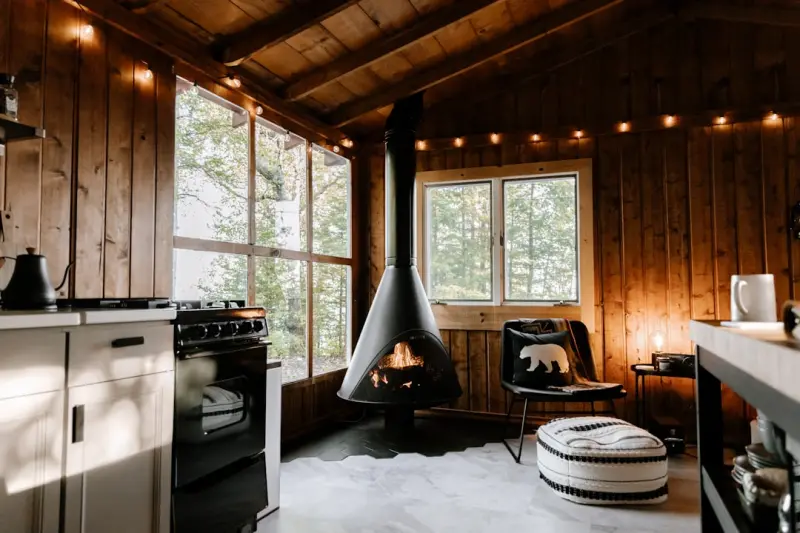
When I first traded my downtown loft for a modest log cabin nestled in the boreal forest, I quickly learned that Canadian living is as much about embracing the rhythm of the seasons as it is about carving out a personal sanctuary that honors the land, the cold, and the quiet moments that stretch long into twilight; the decision to downsize and relocate was driven by a yearning for simplicity, a love of pine‑scented air, and a desire to create a space where every piece of furniture, every hand‑crafted quilt, and every reclaimed wood beam tells a story of mindful stewardship, and I found that the transition was smoother once I embraced a mindset of continual learning and community support. The first winter tested my resolve as I wrestled with snow‑packed driveways, a wood‑stove that demanded daily attention, and the ever‑present howl of wolves in the distance, yet each challenge taught me the value of preparation, the joy of ritual, and the profound satisfaction that comes from lighting a fire with hand‑split logs harvested from my own property. Over time, the cabin became more than a shelter; it evolved into a laboratory for sustainable living where I experiment with passive solar design, rainwater catchment, and low‑impact heating, and I share these discoveries with friends and neighbors who, like me, are searching for a deeper connection to Canada’s wild heart.
Designing for Light: Maximizing Winter Sun in a Northern Home
One of the most rewarding aspects of cabin life is learning how to coax every ounce of precious winter sunlight into a space that would otherwise feel dim and oppressive, and I discovered early on that strategic window placement, reflective interior finishes, and the clever use of skylights can transform a modest one‑room dwelling into a bright haven that mirrors the low‑angle sun that creeps across the snow‑covered horizon; by orienting the main living area to face true south and installing double‑glazed windows with low‑E coatings, I capture heat while minimizing heat loss, and the addition of light‑colored plaster and reclaimed glass tiles amplifies the natural glow without relying on electricity. To further enhance daylight, I hung sheer curtains that diffuse the harsh glare while preserving the view of ever‑greens, and I positioned mirrors opposite the windows to bounce light deeper into the room, creating the illusion of space and warmth that feels almost magical during the long, cold evenings. When I first read about the benefits of solar gain, I was inspired to incorporate a modest photovoltaic panel on the roof, which now powers my LED lighting and a small charger for my phone, a reminder that even a modest renewable system can make a meaningful difference in the high‑latitude lifestyle.
Cozy Comfort: The Art of Layered Insulation and Natural Materials
Insulating a cabin in the Canadian north is not merely a construction task; it is an art form that blends science, tradition, and a deep respect for natural materials, and I chose to combine sheep’s wool batts, recycled denim, and a thin layer of cork under the flooring to create a thermal envelope that feels both plush and eco‑friendly, a combination that reduces the reliance on the wood‑stove while keeping the floor warm enough for bare feet on icy mornings; each material brings its own set of benefits—wool’s breathability, denim’s durability, and cork’s moisture‑resistance—ensuring that the interior remains comfortable without the stale air that often accompanies synthetic insulation. I also added an interior cladding of reclaimed cedar planks, which not only provides an additional barrier against cold but also releases a subtle, aromatic scent that complements the pine outside, creating a seamless transition between indoor and outdoor environments and fostering a sense of continuity with the surrounding forest. In the evenings, I drape hand‑woven blankets from local artisans over the sofa, and the tactile experience of soft fibers against skin becomes a ritual that reinforces the cabin’s role as a refuge from the relentless chill beyond the windows.
Harvesting Heat: Wood‑Stove Mastery and Sustainable Fuel Sources
My wood‑stove is the beating heart of the cabin, and mastering its operation has turned into a daily meditation where I learn to balance burn rate, moisture content, and airflow to produce a steady, clean heat that warms the entire structure without overloading the chimney, and I discovered that seasoned hardwoods such as maple, birch, and oak—sourced responsibly from local foresters—burn hotter and cleaner than softwoods, reducing creosote buildup and extending the life of my stove; I also practice split‑log techniques that ensure each piece dries for at least 12 months, a patience that pays dividends in efficiency and aroma. To supplement the fire, I installed a small, insulated wood‑chip storage shed that houses off‑cut branches and fallen limbs, turning what might be waste into valuable fuel, and I rotate the stock weekly to maintain optimal dryness, a practice that aligns with the principles of the Digital Harvest movement where local producers connect directly with consumers, fostering a circular economy that benefits both the environment and the community. When the snow melts in spring, I take the opportunity to clear ash from the stove and spread it in my garden as a natural fertilizer, completing a sustainable loop that ties heating, waste reduction, and soil health together.
Water Wisdom: Rainwater Collection and Low‑Impact Plumbing
Living off the grid in a remote cabin forces you to become intimately acquainted with water management, and I designed a rainwater catchment system that channels roof runoff into a 2,000‑liter tank fitted with a first‑flush diverter, a simple yet effective device that discards the initial, potentially contaminated flow, ensuring that the stored water remains clear and safe for household uses such as washing dishes, cleaning, and watering indoor plants; the tank is insulated with reclaimed straw bales to prevent freezing during the harshest months, and a manual hand pump delivers water on demand, eliminating the need for electric pumps and reducing energy consumption. For drinking water, I rely on a compact UV purifier that neutralizes bacteria and viruses, a technology that gives me confidence in the water’s safety without resorting to chemical treatments, and I supplement this system with a small, insulated cistern for emergency reserves, a precaution that has proven invaluable during unexpected snowstorms that block the access road for days. By integrating water conservation practices—such as low‑flow fixtures, grey‑water recycling for outdoor irrigation, and mindful usage—I not only lower my environmental footprint but also cultivate a deeper appreciation for the preciousness of each drop, a mindset that aligns with the broader ethos of Canadian living that values stewardship and resilience.
Food for the Soul: Indoor Gardening and Seasonal Foraging
One of the most delightful ways I stay connected to the land during the long winter months is by cultivating an indoor garden that thrives under the soft glow of LED grow lights, and I grow hardy herbs like thyme, rosemary, and chives, as well as microgreens that reach maturity in just two weeks, providing fresh flavors that enliven soups, stews, and the occasional pan‑fried fish caught on a daring ice‑fishing outing; the garden sits on reclaimed wooden pallets, creating a rustic aesthetic that mirrors the cabin’s exterior while maximizing vertical space, and the use of organic, locally sourced soil mixes supports a healthy, chemical‑free ecosystem. When spring arrives, I venture into the forest to forage for ramps, fiddleheads, and wild berries, practices that not only supplement my meals with nutrient‑dense, wild foods but also deepen my understanding of the seasonal cycles that have sustained Indigenous peoples for generations, a knowledge I honor by foraging responsibly and leaving no trace. To share the bounty and stories behind these ingredients, I occasionally host small gatherings where friends taste‑test my foraged dishes, and these intimate meals become a conduit for cultural exchange, reinforcing community ties that echo the spirit of the Canada’s Library Revival movement, where public spaces serve as hubs for learning, sharing, and collective growth.
Crafting Community: Bartering, Skill‑Sharing, and Local Networks
Living in a remote cabin does not mean isolation; rather, it has opened doors to a vibrant network of neighbours, artisans, and fellow sustainability enthusiasts who gather periodically for skill‑sharing workshops, tool‑lending circles, and bartering sessions that reflect the cooperative spirit of Canadian rural life, and I have found immense value in offering my own expertise in woodworking and natural dyeing in exchange for fresh produce, firewood, or even a helping hand with chimney cleaning, creating a reciprocal economy that strengthens relationships and reduces reliance on distant retailers. These gatherings often take place in the community centre of the nearest town, a place that has reinvented itself as a hub for cultural exchange and practical learning, reminiscent of the resurgence described in the Canada’s Library Revival article, where public institutions evolve into vibrant community anchors. By participating in local swap meets, I have discovered unique handmade items—such as a hand‑woven wool rug from a Cree artist—that add warmth and cultural depth to my cabin, and each exchange reinforces the notion that thriving in the Canadian north is a collective endeavor, nurtured by generosity, shared knowledge, and a common respect for the land.
Seasonal Celebrations: Embracing Traditions with a Modern Twist
Every season brings its own set of celebrations that I weave into cabin life, from the crisp, star‑filled nights of the winter solstice where I gather around the fire to share stories and sip hot maple‑infused cider, to the vibrant, flower‑laden evenings of midsummer when I host a backyard bonfire and invite neighbours to partake in a potluck featuring locally sourced salmon, fresh berries, and homemade breads, each event serving as a reminder that traditions can evolve while retaining their core spirit of community and gratitude; I incorporate modern touches such as portable solar chargers to keep phones alive for sharing photos, and I use biodegradable plates to minimize waste, demonstrating that sustainability can coexist with festivity. The cabin’s rustic setting also inspires me to reinterpret classic Canadian holidays—like Thanksgiving—by preparing a menu that highlights foraged mushrooms, heritage vegetables, and a slow‑roasted turkey seasoned with spruce tips, a culinary homage that honours both the land’s bounty and the cultural tapestry of the nation. These gatherings not only nourish the body but also fortify the social fabric, fostering a sense of belonging that transcends the isolation of remote living and illustrates how a modest cabin can become a vibrant epicenter of seasonal joy.
Looking Ahead: Scaling Sustainable Cabin Living Across Canada
As I reflect on the years spent cultivating a warm, resilient cabin in the heart of the boreal forest, I envision a future where more Canadians embrace this model of modest, sustainable living, not as an escape from modernity but as an integrated lifestyle that balances technology, tradition, and ecological stewardship, and I am eager to collaborate with architects, policymakers, and community leaders to develop guidelines that make building energy‑efficient cabins accessible, affordable, and culturally appropriate across the diverse landscapes of our country; initiatives could include incentives for renewable energy installations, streamlined permitting processes for small‑scale dwellings, and educational programs that teach essential skills such as fire‑wood preparation, rainwater harvesting, and indoor gardening. By sharing my experiences through blog posts, workshops, and partnerships with local organizations, I hope to inspire a movement that celebrates the unique beauty of Canadian living while addressing pressing challenges like climate change and housing affordability, proving that a humble log cabin, thoughtfully designed and lovingly tended, can become a beacon of hope, resilience, and community for generations to come.

Related Posts

Why Canada’s Cabins Are the New Base for Remote Professionals
A deep dive into the growing trend of Canadians swapping city offices for cabin homes, highlighting ... Read More

Powering Canadian Homes: How Renewable Tech is Redefining Everyday Life
A deep dive into the latest home energy innovations sweeping Canada, from winter‑ready solar panel... Read More
Cozy in the Cold: How Canadian Neighborhoods Are Turning Winter Into a Social Asset
Canadians are reshaping winter by creating pop‑up social hubs, community‑owned geothermal system... Read More
Top Posts

AI‑Driven Menu Personalization: How Restaurants Are Serving Up Tailored Experiences
AI menu personalization is reshaping the restaurant industry, offering data‑driven dish recommendations, cutting waste, and enhancing guest loyalty—all with...Read More

Listening to Health: How Soundscapes Are Transforming Well‑Being
Sound isn’t just background noise; it’s a powerful health tool. Discover the science behind audio wellness, practical ways to integrate therapeutic soundsca...Read More

The Secret Ingredient You’ve Been Ignoring: Restaurant Sound Design
Explore why sound is the invisible seasoning in dining. Learn science‑backed strategies, tech tools, and case studies to craft a soundtrack that boosts flavor...Read More

From Soil to Ledger: How Blockchain is Rewriting the Canadian Farm Story
Blockchain is emerging as a practical tool for Canadian farmers, offering immutable traceability, premium pricing, and new revenue streams such as carbon credit...Read More
0 Comments
Post Comment
You will need to Login or Register to comment on this post!