
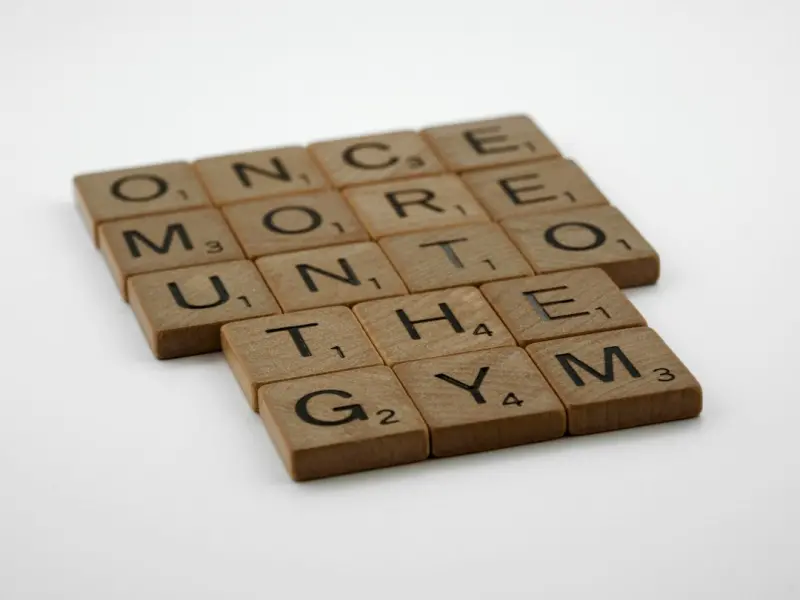
Why Micro‑Movement Is the Quiet Revolution Your Body Has Been Waiting For
When I first swapped my commuter‑train seat for a home office chair, I imagined a world of endless flexibility, pajama‑friendly meetings, and the occasional sprint to the kitchen for a coffee. What I didn’t anticipate was the creeping, almost imperceptible stiffness that settled into my shoulders, the way my back began to feel like a permanent after‑work ache, and the sudden dip in my afternoon focus that no amount of caffeine could rescue.
It took a weekend hike—barefoot on a forest trail, lungs filling with pine‑scented air—for the lightbulb to flick on. I realized I wasn’t missing a magic supplement or a new high‑tech wellness gadget; I was missing movement itself. Not a marathon, not a yoga class, but the tiny, intentional shifts we can sprinkle throughout a day that is otherwise glued to a screen.
Welcome to the world of micro‑movement. It’s the subtle art of integrating brief, purposeful motions into the fabric of our work routines, and it’s rapidly becoming the go‑to strategy for people who want to protect their health without overhauling their entire schedule.
Micro‑Movement vs. Traditional Exercise: Understanding the Difference
Traditional exercise—think gym sessions, jogs, or cycling—has undeniable benefits, but it also carries a barrier: time. For many professionals, carving out a solid hour for a workout feels like an impossible luxury. Micro‑movement, on the other hand, works on the premise that small, frequent actions can accumulate into a substantial health impact.
- Frequency over duration: Instead of a single 45‑minute cardio burst, you might perform six 30‑second stretches spread across the day.
- Low intensity, high consistency: Movements are gentle enough that you won’t need a cool‑down, yet consistent enough to counteract the physiological downsides of prolonged sitting.
- Contextual adaptability: You can do a micro‑movement at a virtual meeting, while waiting for a file to upload, or during a coffee break. No special equipment required.
Research in occupational health shows that breaking up sitting time every 20‑30 minutes can improve circulation, lower blood glucose spikes, and even boost mood. The simple practice of breathwork demonstrates a similar principle: short, intentional actions can reset physiological states.
The Science Behind Tiny Motions
Our bodies are designed for movement. Muscles, joints, and connective tissue thrive on regular activation. When we sit for long periods, several things happen:
- Muscle inactivity: The gluteus maximus and hip flexors begin to weaken, leading to a chain reaction that affects the lower back.
- Reduced blood flow: Prolonged sitting compresses veins, slowing circulation and increasing the risk of blood clots.
- Metabolic slowdown: The muscles that normally help regulate blood sugar become dormant, contributing to insulin resistance over time.
Micro‑movement counteracts these effects by briefly re‑engaging the muscles, promoting venous return, and giving the nervous system a gentle “wake‑up” call. Even a 10‑second calf raise or a few shoulder rolls can stimulate proprioceptive feedback, reminding the brain that the body is still alive and capable.
Five Micro‑Movement Practices You Can Start Today
Below are five evidence‑based micro‑movement routines that require zero equipment and can be performed in a standard office or home workspace.
1. The Desk‑Bound Cat‑Cow
While seated, place both hands on your knees. Inhale as you arch your back, opening your chest (Cow). Exhale as you round your spine, tucking your chin (Cat). Repeat for 30 seconds. This fluid motion mobilizes the thoracic spine, releases tension in the shoulders, and encourages diaphragmatic breathing.
2. Seated Hip Opener
Cross your right ankle over your left knee, forming a figure‑four. Gently press down on the right knee while keeping a tall spine. Hold for 20 seconds, then switch sides. This opens the hips, stretches the piriformis, and can relieve sciatic discomfort that often creeps in after hours of sitting.
3. Finger‑to‑Toe Taps
Stand up, lift one foot slightly off the ground, and tap your toes against the floor in a rhythmic pattern for 30 seconds. Swap legs. This simple act activates the calf muscles, stimulates ankle stability, and improves balance—crucial for preventing falls as we age.
4. Shoulder Blade Squeezes
Pull your shoulder blades together, hold for 5 seconds, then release. Do this 10 times. It combats the forward‑hunched posture that many of us develop while typing and helps re‑activate the rhomboids.
5. The “Micro‑Walk” Break
Set a timer for every 25 minutes of screen time. When it buzzes, stand, walk to the kitchen, fetch a glass of water, and stroll back. The 2‑minute walk may seem trivial, but research shows that even brief ambulation can lower cortisol levels and boost creative thinking.
Integrating Micro‑Movement Into a Remote‑First Lifestyle
The rise of remote work—highlighted in the Cost of Living in the Remote Era discussion—has amplified sedentary behavior. Without the natural “commute” and office walkways, many employees find themselves glued to the same spot for eight or more hours.
Here’s a practical framework to weave micro‑movement into a remote routine:
- Set a visual cue: Place a sticky note on your monitor that says “Move!” or use a smartwatch that vibrates every 20 minutes.
- Pair movement with existing habits: Do shoulder squeezes while your coffee brews, or hip openers while listening to a conference call.
- Leverage technology: Apps that remind you to stand or provide short guided stretches can serve as a digital accountability partner.
- Make it social: Host a “movement minute” at the start of a team meeting, encouraging everyone to stand, stretch, and share how they feel.
Beyond the Office: Micro‑Movement in Everyday Life
Micro‑movement isn’t limited to the desk. It can be a seamless part of daily chores, errands, or leisure activities. Consider these scenarios:
- Grocery aisles: Instead of standing still while waiting in line, perform ankle circles or calf raises.
- Waiting for public transport: Do a series of torso twists or gentle neck stretches.
- Kids’ playtime: Join them in a quick game of “Simon Says” that incorporates squats, arm circles, and hopping.
In each case, the goal is the same: break the static pattern, stimulate the muscles, and give your nervous system a fresh signal.
Micro‑Movement Meets Nutrition: A Synergistic Duo
While we’re steering clear of the Strategic Food Pairings article, it’s worth noting that movement and nutrition amplify each other. Even a short burst of activity can improve digestion, allowing your body to extract more nutrients from the meals you eat. Conversely, staying hydrated helps maintain joint lubrication, making those micro‑stretch sessions smoother.
So, keep a water bottle handy and consider pairing a brief movement break with a light snack—think a handful of nuts or a piece of fruit—to sustain energy without a heavy post‑lunch slump.
Measuring Impact: How to Track Your Micro‑Movement Success
One challenge many people face is the perception that “tiny” doesn’t equal “effective.” The truth is, consistency is the metric that matters most. Here are three simple ways to monitor progress:
- Movement logs: Use a notebook or a phone note to tally each micro‑movement session. Over a week, you’ll see a clear pattern.
- Subjective wellness rating: At the end of each day, rate your energy, focus, and physical comfort on a 1‑10 scale. Look for upward trends.
- Physical markers: Notice reductions in neck stiffness, fewer trips to the bathroom for “just to stretch” reasons, and improved sleep quality.
When you see these improvements, you’ll be motivated to expand or fine‑tune your routine.
Potential Pitfalls and How to Avoid Them
Micro‑movement is powerful, but like any habit, it can go awry if approached incorrectly.
- Over‑doing it: Performing high‑impact jumps or heavy lifts during a micro‑break can actually increase fatigue. Keep movements low‑impact and within a comfortable range.
- Neglecting posture: Slouching while standing or stretching defeats the purpose. Always maintain a neutral spine.
- Relying solely on micro‑movement: While beneficial, micro‑movement should complement, not replace, regular aerobic or strength training sessions when possible.
Real‑World Success Stories
Here are two brief case studies that illustrate the transformative power of micro‑movement:
Case Study 1: The Graphic Designer
Emma, a freelance graphic designer, reported chronic lower‑back pain after transitioning to a home office. She integrated a 30‑second hip opener and calf raise every hour. Within three weeks, her pain scores dropped from a 7/10 to a 2/10, and she noted a boost in creative flow during client presentations.
Case Study 2: The Startup Founder
James, the founder of a SaaS startup, struggled with neck tension from endless video calls. He adopted the “Desk‑Bound Cat‑Cow” stretch before each meeting and performed shoulder squeezes during screen‑share sessions. After a month, his neck discomfort vanished, and he reported a 15% increase in meeting productivity, attributing it to better focus.
Getting Started: Your 7‑Day Micro‑Movement Challenge
Ready to test the theory? Commit to the following for one week:
- Set a timer for every 20 minutes of screen time.
- When the timer rings, perform any two of the five micro‑movements listed above.
- Log each session in a notebook or digital note.
- At the end of each day, rate your physical comfort on a scale of 1‑10.
By the end of the week, you should notice subtle improvements in posture, reduced stiffness, and perhaps even a brighter mood. If you feel a positive shift, consider scaling up—add more movements or extend the frequency.
Conclusion: Small Shifts, Big Health Returns
Micro‑movement is the unsung hero of modern health—a low‑tech, high‑impact strategy that fits seamlessly into the digital lives we lead. It reminds us that wellness isn’t always about grand gestures; sometimes, it’s about the gentle nudges we give our bodies throughout the day.
So the next time you find yourself glued to a screen, ask yourself: “What tiny motion can I do right now to honor my body?” The answer, as you’ll discover, could be as simple as a shoulder squeeze, a calf raise, or a brief stroll to the kitchen. Your future self will thank you.

Related Posts

Digital Health Trends Redefining Workplace Wellness
A deep dive into the rise of data‑driven health in the workplace, highlighting predictive analytic... Read More

The Microbiome Skin Revolution: Harnessing Your Body's Own Ecosystem for Healthier Living
Explore the hidden world of the skin microbiome, learn how daily habits affect its balance, and disc... Read More

Why Personalized Nutrition Is the Next Health Frontier for Canadians
Personalized nutrition combines DNA, wearable data, and AI to tailor meals to individual needs, offe... Read More
Top Posts

Micro‑Nature Moments: How Tiny Green Breaks Revolutionize Workplace Health
A deep dive into micro‑nature shows how small, intentional green elements at work can lower stress, improve focus, and deliver measurable health benefits, all...Read More

Travel Subscriptions: How Membership Models Are Redefining the Way We Explore
Travel subscriptions are turning vacations into curated, sustainable experiences. Learn how membership models blend AI, community, and eco‑impact to reshape m...Read More

When Tariffs Meet Data: Rethinking SaaS Architecture
Tariffs are more than a line‑item expense—they affect latency, data‑localization, and architecture. This post shows how SaaS firms can redesign with modul...Read More

Stretching Your Dollar: Unconventional Ways to Lower Daily Living Costs
Explore inventive, low‑cost tactics that transform budgeting into a rewarding habit, leveraging public assets, loyalty programs, and simple habit tweaks to ke...Read More
0 Comments
Post Comment
You will need to Login or Register to comment on this post!