

Why Your Plate Deserves a Strategy Session
When I’m not dissecting SaaS growth models, I’m staring at the contents of my fridge and asking the same question I ask every product leader: What problem am I trying to solve? The answer, surprisingly, isn’t “I need more protein” or “I’m out of avocado.” It’s a deeper, almost tactical inquiry about how the foods on my plate work together to fuel focus, resilience, and long‑term health.
Most health‑food content falls into two camps: the trend‑chaser (kale smoothies, bulletproof coffee) and the science‑nerd (micronutrient breakdowns, hormone pathways). Both have merit, but they often miss a crucial element that I’ve been borrowing from the product world—systemic thinking. Think of your meal as a feature set, not a single function. Each ingredient is a module, and their interactions determine the overall user experience—your energy, mood, and recovery.
The Science of Food Synergy (Beyond the Microbiome)
There’s a growing body of research showing that the gut microbiome is a pivotal player in health, but the story doesn’t end there. Food synergy looks at how nutrients enhance or inhibit each other’s absorption and function. For example, the fat‑soluble vitamins A, D, E, and K need a little dietary fat to unlock their potential. Pair a leafy green salad with a drizzle of olive oil, and you’re not just adding calories—you’re turning those greens into a bioavailable power‑boost.
Conversely, certain compounds can block the uptake of others. Phytates in raw beans, for instance, bind zinc and iron, reducing their bioavailability. A quick soak or a splash of lemon juice can neutralize that effect, a classic example of a low‑effort tweak that yields outsized benefits.
Seasonal Color Coding: The Visual Cue for Nutrient Diversity
One of my favorite frameworks for building a “high‑performing” plate is simple: color = nutrient class. Red foods (tomatoes, red peppers) are rich in lycopene and anthocyanins; orange & yellow (carrots, sweet potatoes) deliver beta‑carotene; greens (kale, broccoli) pack chlorophyll, calcium, and folate; blues & purples (berries, eggplant) bring flavonoids; whites (cauliflower, mushrooms) provide allicin and other sulfur compounds.
When you arrange a dish that hits at least three of these color families, you’re almost guaranteed a broad spectrum of antioxidants, vitamins, and minerals. It’s the culinary equivalent of a diversified portfolio—less risk of deficiency, more resilience against oxidative stress.
Strategic Pairings: Maximizing Nutrient Absorption
Below is a quick reference guide I keep on my fridge. It’s a cheat sheet for the busy professional who can’t spend 30 minutes researching each bite:
- Iron + Vitamin C: Pair spinach or lentils with bell peppers, strawberries, or a squeeze of lemon. Vitamin C converts non‑heme iron into a form your body can absorb.
- Calcium + Vitamin D: Think fortified plant milks, salmon, or a quick 10‑minute exposure to sunlight. Without D, calcium stays in the gut.
- Beta‑Carotene + Healthy Fat: Cook carrots in a teaspoon of coconut oil, or toss roasted sweet potatoes with avocado. Fat acts as the delivery vehicle for these fat‑soluble compounds.
- Turmeric + Black Pepper: Piperine in pepper boosts curcumin absorption by up to 2,000 %—a small pinch makes a massive difference.
These pairings are the “API integrations” of nutrition. They require minimal effort but unlock exponential value.
Urban Foraging and Wild Greens: Turning the City into a Supermarket
If you’ve ever walked past a patch of dandelion, you’ve already encountered a nutritional powerhouse. Young dandelion leaves contain more calcium than milk and a suite of antioxidants that rival kale. The challenge for most of us is identifying and harvesting safely.
My go‑to method is a “forage‑once‑a‑week” routine. I scout local parks, community gardens, and even the cracks between sidewalk slabs for chickweed, purslane, and lamb’s quarters. These greens are not only nutrient dense but also low in oxalates, making them easier on the kidneys.
Once harvested, a quick rinse and a flash‑sauté with garlic and olive oil transforms them into a side dish that adds both texture and a fresh, earthy flavor profile to any meal. It’s a sustainable, cost‑effective habit that turns the urban environment into a living pantry.
Beyond Trends: Building a Sustainable, High‑Performance Pantry
Many “healthy food” articles chase the next viral ingredient—matcha, spirulina, or activated charcoal. While some of these have merit, a truly resilient diet rests on pantry fundamentals:
- Whole Grains: Quinoa, farro, and buckwheat provide complex carbs and a full suite of B vitamins. They’re the “base layer” of energy.
- Legume Variety: Rotate chickpeas, black beans, and lentils to avoid monotony and ensure a broad amino‑acid profile.
- Seasonal Produce: Buy in season to capture peak phytochemical content and keep costs down.
- Fermented Staples: Sauerkraut, kimchi, and miso add beneficial microbes and umami depth without the need for expensive probiotic supplements.
- Cold‑Pressed Oils: Olive, avocado, and walnut oils provide essential omega‑3 and omega‑6 fatty acids. Use them sparingly—just enough to trigger nutrient absorption.
Think of this pantry as a “MVP product backlog.” Prioritize items that deliver the most health ROI, iterate based on taste preferences, and retire anything that doesn’t add value (like that jar of artisanal mustard you never use).
Practical Steps for Busy Professionals
Implementing a strategic food approach doesn’t mean you need a kitchen overhaul. Here are five actionable habits you can adopt right now:
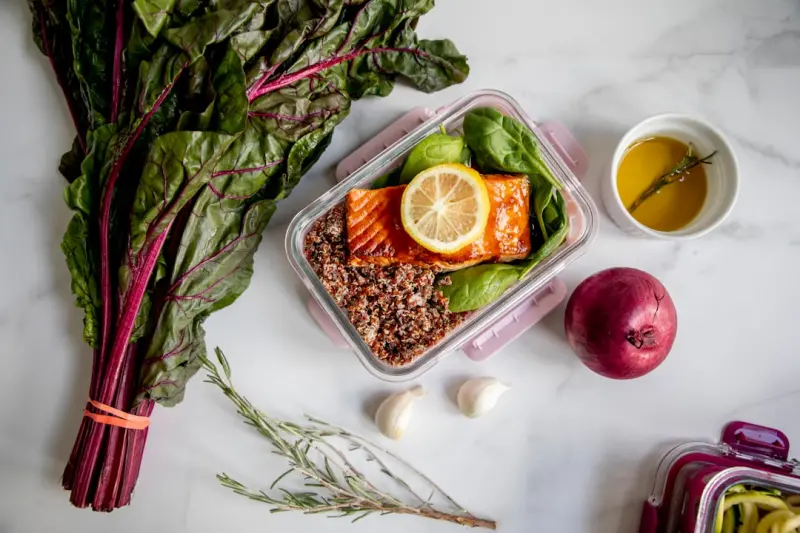
- Prep Once, Eat Twice: On Sunday, batch‑cook a grain base (e.g., quinoa) and a protein (e.g., baked salmon). Store in portioned containers for quick assembly.
- Ingredient “Feature Flags”: Keep a rotating list of “feature flags”—ingredients you want to test in the next week (e.g., try adding beetroot to your salad). This adds novelty without overwhelming your routine.
- Zero‑Waste Mindset: When you finish a meal, compost peels and cores. The Zero‑Waste Mixology article shows how kitchen scraps can become flavor boosters; the same principle applies to food prep—use stems for stocks, leaves for pesto.
- Micro‑Meal Reviews: After each meal, jot down a quick note on energy levels, satiety, and mood. Over a month, patterns emerge, allowing you to iterate on ingredient combinations.
- Smart Grocery Apps: Use a barcode scanner to check for seasonality and origin. Prioritize locally grown, in‑season produce for peak nutrient density.
Closing Thoughts: Eat with Intent, Not Just Instinct
In the same way a product team runs A/B tests to refine a feature, treat your meals as experiments. The goal isn’t perfection; it’s a progressive improvement in how food fuels your mind and body. By thinking of nutrients as interlocking modules, leveraging color coding, and incorporating strategic pairings, you’ll create plates that not only taste great but also perform like a well‑engineered platform.
So the next time you stand before the refrigerator, ask yourself: What problem am I solving with this meal? Then build a solution that’s as delicious as it is effective.

Related Posts
Seasonal Synergy: Crafting Nutrient‑Rich Meals with Nature’s Calendar
A fresh take on healthy eating, this post shows how aligning meals with the seasons, your body’s c... Read More

Beyond the Plate: Harnessing Food Pairing for Maximum Nutrient Power
Learn practical food pairing strategies that unlock hidden nutrients, improve digestion, and make ev... Read More

Fermented Foods: Tiny Cultures, Big Benefits
Explore the science behind fermentation, learn easy recipes, and see how probiotic foods can improve... Read More
Top Posts

Cost of Living: Unraveling the Subscription Spiral
A deep dive into subscription fatigue, its impact on personal finances, and practical steps to cut the hidden costs eating away at your budget....Read More

The Unseen Struggles of Canadian Parents: A Call to Action for Mental Health Support
Canadian parents face unseen struggles with mental health, but it's not just a personal issue. Learn how we can work together to create a more supportive societ...Read More

Parental Warning: When AI Playmates Become Digital Manipulators
AI-powered toys offer endless fun but can covertly shape attention, collect data, and influence behavior. This guide reveals the hidden risks and provides pract...Read More

Embracing the Everyday Joys of Canadian Living
A heartfelt look at Canada’s seasonal foods, community events, and home‑care hacks that celebrate the unique rhythm of life across the nation....Read More
0 Comments
Post Comment
You will need to Login or Register to comment on this post!