

Rediscovering Food as a Narrative: How Stories Shape Our Health
When I wander through a bustling farmer’s market, I’m not just scanning colors and textures; I’m listening to the whispered histories that each vegetable carries, and that listening becomes a form of nourishment for the soul as much as for the body. The act of choosing a heirloom tomato that has been cultivated for generations in a single valley, for instance, is a subtle rebellion against the sterile uniformity of mass‑produced produce, and it invites a deeper connection to the soil, the climate, and the hands that tended it—connections that modern nutrition science is only beginning to quantify in terms of gut‑brain signaling and epigenetic resilience. By treating each bite as a chapter in a larger story, we can transform ordinary meals into rituals that reinforce identity, community, and long‑term wellness, turning the plate into a canvas where cultural memory and micronutrients meet.
The Power of Seasonal Foraging: Aligning Your Plate with Nature’s Calendar
Seasonal foraging isn’t merely a nostalgic hobby; it’s a scientifically backed strategy to maximize phytonutrient intake, because plants synthesize their most potent antioxidants precisely when they need to survive the challenges of their native environment. Imagine gathering wild sorrel in early spring, its bright, tangy leaves packed with vitamin C and flavonoids that are far more bioavailable than those found in grocery store lettuce harvested weeks later; this timing syncs your body’s antioxidant defenses with the natural surge of oxidative stress that the season brings, creating a harmonious balance that modern processed foods can’t replicate. By mapping the local bloom calendar and learning the subtle cues—such as leaf shape, bark texture, and the scent of the earth—you not only diversify your palate but also fortify your immune system with a spectrum of nutrients that change month to month, ensuring that you never become dependent on a static nutrient profile.
Flavor‑First Nutrition: Prioritizing Taste to Sustain Healthy Habits
One of the greatest barriers to lasting dietary change is the misconception that healthful foods must be bland, a myth that fuels the rise of “diet” foods that taste like cardboard and are quickly abandoned. My kitchen experiments have taught me that when flavor is the primary driver—through the strategic use of umami‑rich mushrooms, fermented vegetables, and naturally sweet root vegetables—people are more likely to stick with nutrient‑dense choices because pleasure becomes the reinforcement loop, not deprivation. This approach dovetails with the science of reward pathways, where dopamine spikes from savoring a well‑seasoned roasted beet can be as motivating as the endorphin rush from a workout, ultimately creating a self‑sustaining cycle where taste and health reinforce each other. By re‑imagining recipes to foreground bold herbs, spice blends, and textural contrast, we can rewrite the narrative of “healthy eating” from a chore into an adventure.
Community Kitchens as Laboratories for Culinary Innovation
Beyond the individual kitchen, community cooking spaces act as living labs where collective creativity accelerates the discovery of novel, health‑promoting dishes, and they also democratize access to fresh, whole foods in urban neighborhoods that might otherwise rely on processed options. In these shared environments, participants exchange ancestral techniques—like the art of home fermentation—with modern nutritional insights, creating hybrid recipes that boost probiotic diversity while honoring cultural heritage. The collaborative atmosphere sparks spontaneous experimentation, such as pairing locally foraged nettles with fermented chickpeas, resulting in dishes that deliver a synergy of vitamins, minerals, and live cultures, all while fostering social bonds that reinforce accountability and enjoyment.
Furthermore, these kitchens can serve as hubs for education on regenerative farming practices, linking the source of the ingredients directly to the people who prepare them, and closing the loop between soil health and human health. By hosting workshops that teach participants how to interpret soil health indicators—like earthworm activity or organic matter content—chefs can select produce at its nutritional peak, ensuring that every plate reflects the vitality of the land it originated from. This transparency not only empowers diners to make informed choices but also cultivates a stewardship ethic that extends beyond the kitchen, encouraging support for farms that prioritize biodiversity and carbon sequestration.
Micro‑Nutrients in the Spotlight: The Unsung Heroes of Everyday Foods
While macronutrients dominate diet conversations, it is the micro‑nutrients—trace minerals like molybdenum, selenium, and zinc—that often dictate the fine line between feeling energized and experiencing chronic fatigue. Recent research highlights that foods grown in mineral‑rich soils, such as wild greens from coastal cliffs or legumes cultivated in volcanic ash, contain higher concentrations of these essential elements, which support enzymatic functions critical for DNA repair, thyroid regulation, and antioxidant defense. Incorporating a modest handful of such greens into a daily salad can elevate your micronutrient profile in a way that supplements alone rarely achieve, because the synergistic matrix of fibers, phytochemicals, and minerals works together to enhance absorption and utilization.
To make this practical, consider rotating your greens weekly: replace a standard romaine base with a blend of seaweed‑infused kale, dandelion leaves, and purslane, each offering a distinct mineral spectrum. Pair these with a citrus‑based vinaigrette that contains a dash of sea salt, thereby providing the necessary sodium to facilitate the transport of fat‑soluble vitamins across cell membranes. This intentional layering of flavors and nutrients ensures that you’re not only meeting your macro goals but also fortifying the microscopic foundations of health.
Mindful Cooking Techniques: Preserving Nutrient Integrity Through Method
The way we prepare food can be just as impactful as what we put on our plates, and mindful cooking techniques—such as low‑temperature roasting, steam‑blanching, and quick‑sautéing—preserve delicate phytonutrients that would otherwise degrade under high heat. For example, lightly steaming broccoli for just three minutes retains up to 95% of its sulforaphane, a compound linked to cancer‑preventive pathways, whereas boiling it for ten minutes can destroy more than half of that benefit. Similarly, using a cast‑iron skillet to sear fish at medium heat creates a flavorful Maillard reaction without compromising the omega‑3 fatty acids that are essential for cardiovascular health.
By adopting a “cook‑once‑serve‑multiple” mindset, you can also reduce nutrient loss across meals; a single batch of roasted root vegetables can be repurposed into soups, grain bowls, and salads throughout the week, each time adding a fresh splash of citrus or herb to reinvigorate the flavor profile while maintaining the core nutritional content. This approach not only maximizes the return on your ingredient investments but also reinforces a habit loop where preparation becomes a mindful, purposeful act rather than a rushed chore.
Integrating Sensory Awareness: Eating with All Five Senses for Better Digestion
Our bodies are wired to respond to sensory cues, and engaging all five senses during meals can improve digestion, satiety, and overall nutrient absorption. The visual appeal of a vibrant, color‑contrasted plate triggers salivary enzymes, while the aroma of freshly cracked black pepper stimulates the vagus nerve, preparing the gastrointestinal tract for efficient processing. Textural contrast—crisp carrots against creamy avocado—creates a satisfying chewing experience that slows the eating pace, giving the brain time to register fullness signals, thereby reducing overeating.
To harness this, start each meal with a moment of visual appreciation, noting the hue and arrangement of each component; follow with a deliberate inhale of aromatic herbs; then proceed to a mindful bite that balances temperature, texture, and flavor. This ritual not only enhances the pleasure of eating but also aligns the digestive system’s hormonal responses, leading to steadier blood sugar levels and improved nutrient uptake, especially for complex carbohydrates and fiber‑rich foods.
Future‑Forward Food: Embracing Plant‑Based Protein Innovations Without Losing Tradition
The surge of plant‑based protein powders and meat analogues offers an exciting frontier for health enthusiasts, yet the challenge lies in integrating these modern options without eroding the cultural culinary practices that give food its soul. By blending traditional legumes—such as lentils, chickpeas, and split peas—with cutting‑edge fermentation techniques, we can create protein‑dense dishes that honor heritage while delivering complete amino acid profiles comparable to animal sources. For instance, a fermented chickpea batter seasoned with native spices can be pan‑fried into crisp patties, offering a familiar texture that satisfies cravings without compromising nutritional integrity.
Moreover, these innovations can be scaled within community kitchens, where collective preparation allows for experimentation with flavor pairings and texture adjustments, ensuring that the final product resonates both nutritionally and culturally. This hybrid approach paves the way for a sustainable food system that respects the past, embraces scientific progress, and ultimately supports a healthier, more resilient population.

Related Posts

Why Your Snack Drawer Needs a Brain‑Boost Makeover
A personal experiment shows how swapping sugary snacks for nutrient‑dense pairings, fermentation, ... Read More
Reconnecting with the Land: How Urban Foraging Fuels Health and Community
Urban foraging offers a nutrient‑dense, low‑cost way to improve health and foster community. Lea... Read More

Chrono‑Smart Eating: How Timing Your Meals Boosts Energy and Health
Learn how syncing meals with your body’s natural rhythm can skyrocket energy, balance hormones, an... Read More
Top Posts

The Hidden Levers Driving Your Cost of Living (And How to Flip Them)
A deep dive into the invisible factors raising your cost of living—energy drains, subscription overload, and psychological pricing—plus practical SaaS‑ins...Read More
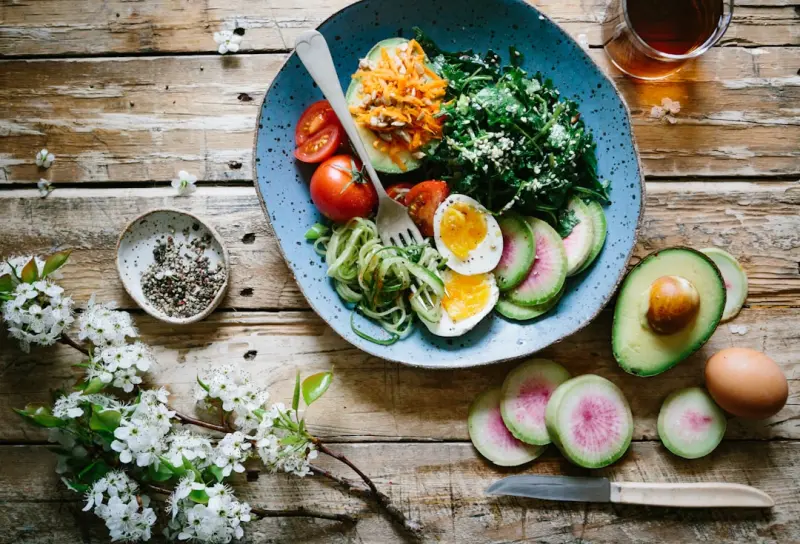
Colorful Plate, Healthier Life: A Food Lover’s Guide
From rainbow‑rich plates to gut‑friendly fermentations, I share the habits that turned my meals into daily celebrations of health and flavor....Read More

Bill 242: A Critical Examination of the Safer Municipalities Act and its Impact on the Homeless
As someone deeply invested in social justice and human rights, I've been following the development and implications of Bill 242, the Safer Municipalities Act, w...Read More

The Art of Menu Storytelling: How Restaurants Turn Dishes into Narratives
Explore the power of menu storytelling, from immersive narratives to digital tools, and learn actionable steps to turn every dish into a memorable chapter for y...Read More
0 Comments
Post Comment
You will need to Login or Register to comment on this post!