
Why Fermentation Matters
When I first stumbled into the world of fermented foods, it wasn’t for the Instagram‑worthy aesthetics or the hipster cred. I was looking for a practical way to actually feel better after a long day at the office. What I discovered was a culinary tradition that predates modern refrigeration, yet offers some of the most potent tools we have for gut health, immunity, and even mental clarity. Fermentation is essentially a partnership between us and microorganisms—bacteria, yeasts, and molds—that transform raw ingredients into flavors that sing and nutrients that heal.
The Science Behind Probiotics and Pre‑biotics
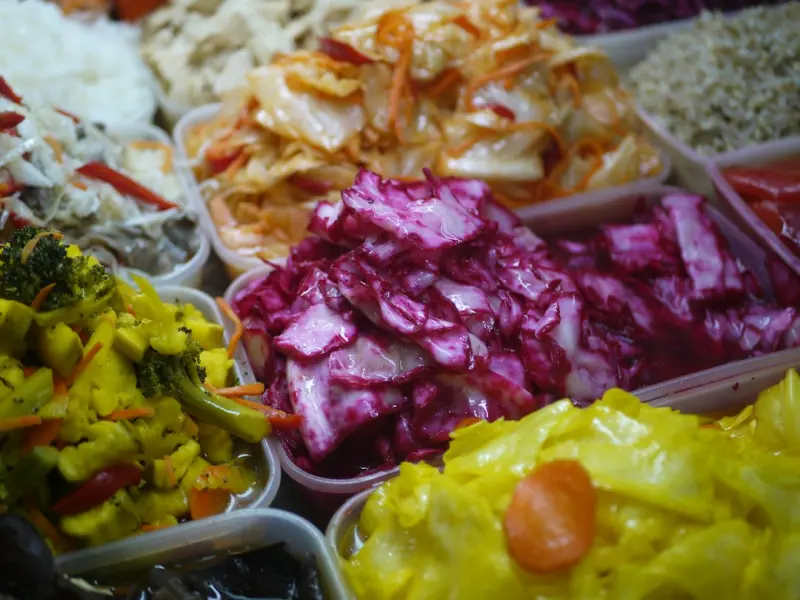
At its core, fermentation creates probiotics—live microorganisms that, when consumed in adequate amounts, confer health benefits. But probiotics can’t thrive without their food source, known as pre‑biotics. These are typically fibers and resistant starches that survive digestion and feed the good bacteria once they reach the colon. The magic happens when a food provides both: think of a jar of raw kimchi, where cabbage supplies fiber while the lactobacilli do the heavy lifting.
Research consistently shows that a balanced gut microbiome can influence:
- Digestive regularity and reduced bloating
- Enhanced nutrient absorption, especially of vitamins K and B12
- Modulated immune response, lowering the risk of chronic inflammation
- Improved mood and cognitive function through the gut‑brain axis
In short, fermented foods are a shortcut to a healthier internal ecosystem, and they do it without the need for expensive supplements.
Everyday Fermented Staples You Can Start Today
If the idea of fermenting something in a mason jar feels daunting, start small. Here are six beginner‑friendly ferments that require minimal equipment and can be incorporated into everyday meals:
- Sauerkraut – Simply shred cabbage, sprinkle with salt, and let it sit. Within a week, you have a tangy, probiotic‑rich side dish.
- Kimchi – A Korean twist on sauerkraut, adding radish, garlic, ginger, and gochugaru for heat and complexity.
- Kefir – Milk or water kefir grains turn ordinary milk or sweetened water into a fizzy, probiotic drink.
- Kombucha – Fermented tea that offers a gentle probiotic punch and a refreshing acidity.
- Miso – A fermented soybean paste that adds umami depth to soups, dressings, and marinades.
- Tempeh – Fermented soybeans bound into a cake, offering a firm texture and a nutty flavor perfect for stir‑fries.
Each of these foods can be bought ready‑made from most grocery stores, but the real power lies in making them at home. The process demystifies the science and lets you tweak flavors to your liking.
Fermentation Meets Modern Lifestyle
Restaurants have long known the flavor‑boosting potential of fermentation, but now they’re using it as a storytelling tool. In the Sensory Dining: How Restaurants Turn Meals into Experiences piece, we explored how chefs design multisensory meals. Fermented components often play a starring role, delivering unexpected textures, aromas, and acidity that awaken the palate. Think of a charcuterie board where a slice of dry‑cured salami is paired with a spoonful of house‑made kimchi—each bite is a dialogue between salty, sour, and umami notes.
For busy professionals, this means you can bring restaurant‑level depth to your lunchbox. A quinoa bowl topped with a dollop of miso‑marinated roasted carrots and a splash of fermented vinaigrette feels indulgent, yet it’s rooted in simple, health‑forward ingredients.
Building a Fermentation Routine at Home
Creating a sustainable fermentation habit is easier than you think. Follow these three steps to make the practice seamless:
- Choose a starter. Pick one ferment that excites you—sauerkraut is a classic because it requires only cabbage and salt.
- Set a schedule. Designate a specific day each week for “ferment‑day.” During this time, you’ll prep, jar, and check on your cultures. Consistency trains both your gut and your calendar.
- Document your process. Keep a simple log of ingredients, ratios, and fermentation time. Over weeks, you’ll notice patterns—maybe your kitchen’s temperature speeds up kimchi, or a particular sea salt yields a milder sauerkraut.
Remember, fermentation is forgiving. If a batch develops off‑flavors, you can still use it in soups or as a starter culture for the next round.
Local Food Hubs and Fermented Foods
Community‑driven food initiatives are increasingly spotlighting fermented products. In the article Beyond the Plate: How Hyper‑Local Food Hubs Are Redefining Community Dining, we saw how small‑scale hubs bring farm‑to‑table freshness directly to neighborhoods. Many of these hubs now feature a rotating “ferment corner,” where local producers sell everything from artisanal kombucha to barrel‑aged pickles.
Supporting these hyper‑local ferments does two things: it reduces the carbon footprint associated with long‑distance transportation, and it cultivates a sense of culinary heritage. When you buy a jar of community‑crafted kimchi, you’re not just getting probiotics—you’re supporting a neighbor’s passion and preserving a cultural tradition.
Fermented Foods in the Context of Whole‑Food Nutrition
Fermentation should complement, not replace, a balanced diet rich in whole foods. Pair fermented sides with a colorful array of vegetables, quality proteins, and healthy fats to maximize nutrient synergy. For instance, a bowl of roasted sweet potatoes topped with a spoonful of fermented chickpea “hummus” offers complex carbs, plant‑based protein, and a probiotic boost—all in one bite.
One lesser‑known benefit is that fermentation can increase the bioavailability of certain micronutrients. The process breaks down phytates in grains and legumes, unlocking minerals like iron, zinc, and magnesium that are otherwise bound. This is why fermented breads such as sourdough are often easier on the stomach than their commercial counterparts.
Addressing Common Misconceptions
“Fermented foods are only for the health‑obsessed.” Not true. The flavor profiles—tangy, salty, umami—can enhance any dish, making them accessible to anyone who enjoys good food.
“I’ll get sick from the bacteria.” The microbes used in traditional fermentations are well‑studied and safe. In fact, they outcompete harmful pathogens, creating an acidic environment that preserves the food.
“Fermentation takes too long.” While some ferments mature over weeks, many (like kefir or quick pickles) are ready in 24‑48 hours. With a little planning, you can have a daily probiotic source without sacrificing convenience.
Fermentation as a Tool for Seasonal Eating
Seasonal produce often peaks for a short window. Fermenting surplus vegetables extends their shelf life while amplifying their nutritional value. Imagine a summer harvest of carrots, radishes, and beets—all turned into a vibrant, probiotic‑rich pickle medley that lasts through the winter. This practice not only reduces food waste but also ensures you have a supply of gut‑friendly foods year‑round.
Conclusion: Embrace the Fermented Frontier
Fermentation isn’t a fleeting trend; it’s a time‑tested method that bridges the gap between flavor, nutrition, and sustainability. By incorporating even a single fermented food into your daily routine, you’re investing in a healthier gut, a stronger immune system, and a more adventurous palate. Whether you’re buying from a local food hub, experimenting with a mason‑jar at home, or savoring a chef’s fermented masterpiece, the message is clear: the future of healthy eating is alive, bubbling, and deliciously complex.

Related Posts
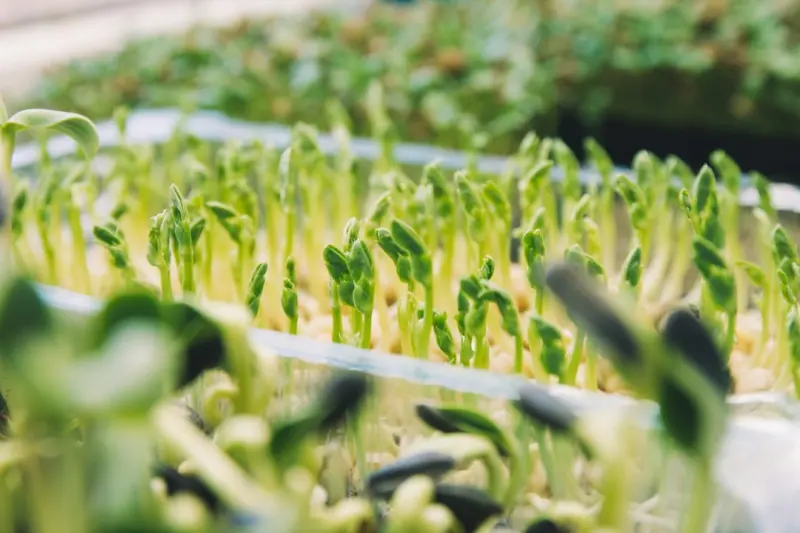
Harvesting Health: How Home-Grown Microgreens Supercharge Your Diet
Microgreens deliver concentrated nutrition in a tiny space, making them perfect for busy lifestyles.... Read More
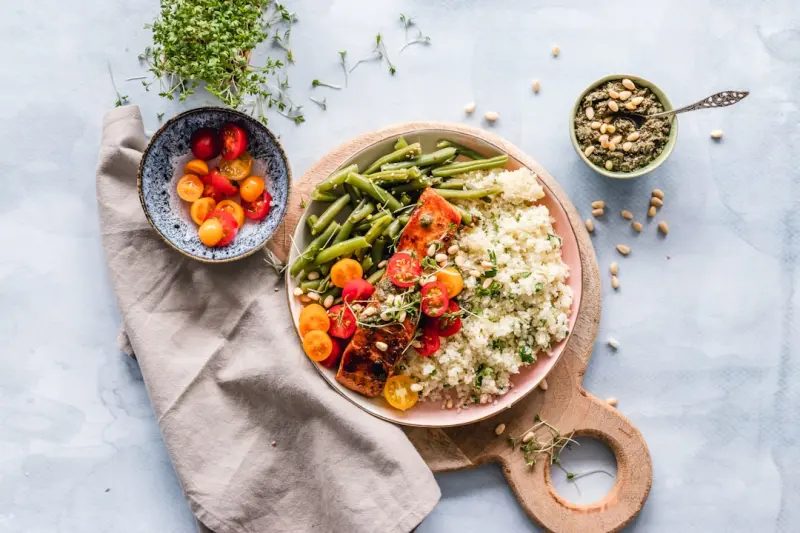
Unlocking Nature’s Pharmacy: How Everyday Ingredients Supercharge Your Health
Learn to transform everyday pantry items into powerful health allies with seasonal foraging, ferment... Read More
Microbiome Magic: How Prebiotic Power Foods Are Redefining Everyday Meals
Explore the rise of prebiotic power foods—from chicory and sunchokes to seaweed fibers—and learn... Read More
Top Posts

Indigenous Nations, Regional Coalitions, and the New Balance of Canadian Politics
Canada’s political scene is evolving beyond traditional party lines, with Indigenous Nations, regional coalitions, digital democracy, and shifting economic pr...Read More

Charting New Waters: Turning Cruises & Bus Tours into Personal Narratives
Discover a fresh approach to cruising and bus touring that turns every stop into a chapter of your own story, using themes, workshops, sensory notes, and digita...Read More

Turning Customer Friction into a Growth Engine
Discover how treating customer friction as insight—not failure—can reshape your marketing funnel, turn complaints into advocacy, and fuel sustainable growth...Read More

Beyond the Paycheck: Unmasking the Real Cost of Modern Living
This article uncovers the hidden financial drains—like subscription overload, remote‑work overhead, and compliance costs—shaping today’s cost of living,...Read More
0 Comments
Post Comment
You will need to Login or Register to comment on this post!