
Why Your Gut Deserves a VIP Section in the Grocery Aisle
When most of us think “healthy foods,” the mental image is often a kale‑laden smoothie or a quinoa bowl that looks like it belongs on a magazine spread. But the real backstage hero of a thriving diet is the gut microbiome—a bustling community of trillions of microbes that influence everything from digestion to mood, immunity, and even the skin’s glow. In this post, I’m pulling back the curtain on how to design a pantry that treats these microscopic allies like royalty.
The Microbiome: Your Body’s Hidden Power Plant
Scientists now agree that the diversity of gut bacteria is a stronger predictor of overall health than many traditional risk factors. A rich microbiome can:
- Enhance nutrient absorption: Certain bacteria unlock the full potential of vitamins and minerals hidden in plant fibers.
- Modulate inflammation: A balanced gut helps keep chronic inflammation at bay, reducing the risk of heart disease, arthritis, and even certain cancers.
- Support mental health: The gut‑brain axis means that a happy gut often translates to a calmer mind.
So, feeding your gut isn’t a fad; it’s a foundational strategy for sustainable wellness.
Fermentation: The Ancient Art That’s Still Cutting‑Edge
If you’ve ever enjoyed a tangy kimchi or a creamy kefir, you already know fermentation’s magic. This process transforms sugars and starches into beneficial acids, gases, and enzymes that:
- Boost probiotic counts, directly seeding your gut with live cultures.
- Increase bioavailability of nutrients like B‑vitamins, iron, and calcium.
- Introduce “post‑biotic” compounds—metabolites that have anti‑inflammatory and immune‑supporting properties.
Start small: a jar of sauerkraut on the kitchen counter, a bottle of kombucha in the fridge, or a batch of homemade yogurt can make a huge difference.
Seasonal Foraging: Turning Wild Edibles Into Gut Gold
While grocery stores offer convenience, they rarely showcase the wild, nutrient‑dense plants that thrive in your local environment. Seasonal foraging isn’t just a hobby; it’s a pathway to a diverse, fiber‑rich diet that feeds a broader range of gut microbes.
Here are three easy‑to‑find wild foods and why they matter:
- Stinging nettle (young leaves): Packed with iron, calcium, and vitamin C—perfect for a nutrient boost.
- Dandelion greens: High in inulin, a prebiotic fiber that fuels beneficial bacteria.
- Wild garlic (ramps): Offers antimicrobial compounds that keep harmful microbes in check while supporting overall gut health.
Always foraged responsibly—identify plants correctly, avoid polluted sites, and wash thoroughly before consumption.
Building a Gut‑Friendly Grocery List
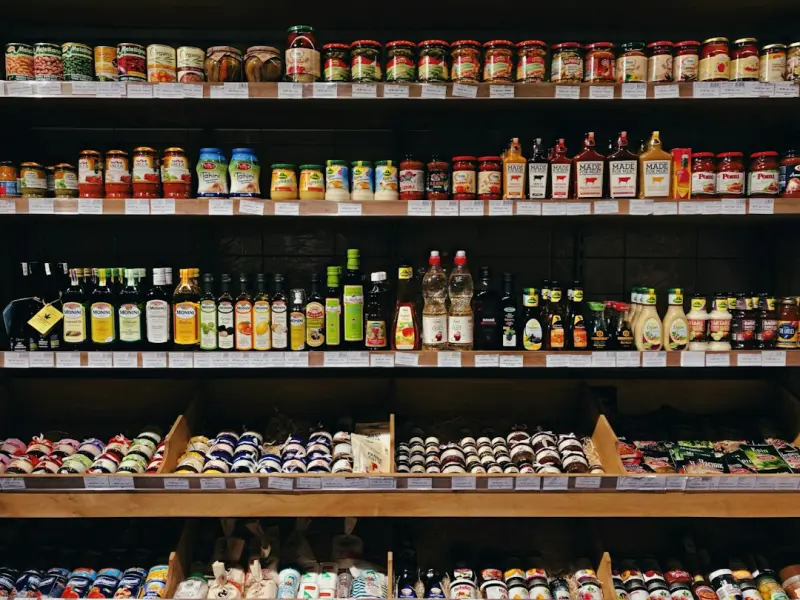
Below is a curated list of pantry staples, fresh picks, and fridge essentials that together create a symphony of pre‑, pro‑, and post‑biotic power.
- Pre‑biotic Powerhouses: Chicory root, Jerusalem artichoke, bananas (slightly green), oats, and legumes.
- Probiotic Sources: Fermented vegetables (kimchi, sauerkraut), kefir, yogurt with live cultures, miso, tempeh, and kombucha.
- Polyphenol‑Rich Foods: Berries, dark chocolate (70%+ cacao), green tea, and pomegranate—these act as fuel for beneficial microbes.
- Healthy Fats: Olive oil, avocado, nuts, and seeds, which help reduce gut inflammation.
- Spice Cabinet Allies: Turmeric, ginger, and cinnamon—natural anti‑inflammatories that support gut lining integrity.
Smart Swaps: Turning Everyday Meals Into Microbiome Boosters
Transforming your routine dishes doesn’t require a culinary degree. Simple swaps can amplify gut health:
- Replace white rice with freekeh or farro for added fiber.
- Swap sugary dressings for a splash of fermented miso mixed with lemon juice.
- Use almond or oat milk fortified with pre‑biotics instead of dairy if you’re lactose intolerant.
- Incorporate a spoonful of prebiotic chicory root powder into smoothies.
These tiny tweaks compound over weeks, leading to noticeable improvements in digestion and energy levels.
Cooking Techniques That Preserve Microbial Goodness
Heat can kill both harmful and beneficial bacteria, so the method matters:
- Lightly ferment before cooking: Marinate cabbage in salt for a few hours, then sauté—this retains some live cultures.
- Steaming over boiling: Preserves water‑soluble vitamins and prebiotic fibers.
- Raw additions: Sprinkle finely chopped kimchi or sauerkraut on warm dishes right before serving to keep the probiotics alive.
Mindful Meal Planning: The 7‑Day Gut Reset
Here’s a sample weekly plan that balances diversity, flavor, and microbiome support. Feel free to mix and match based on your preferences.
- Monday: Breakfast – Oatmeal topped with banana slices, walnuts, and a drizzle of kefir. Lunch – Lentil soup with a side of fermented carrot sticks. Dinner – Grilled salmon, quinoa, and sautéed dandelion greens.
- Tuesday: Breakfast – Smoothie with spinach, frozen berries, almond milk, and a spoonful of chicory root powder. Lunch – Miso‑glazed tofu bowl with brown rice and kimchi. Dinner – Stir‑fried tempeh, broccoli, and carrots, finished with a splash of fermented soy sauce.
- Wednesday: Breakfast – Greek yogurt (live cultures) with honey, pumpkin seeds, and sliced kiwi. Lunch – Chickpea salad with olive oil, lemon, and fresh herbs. Dinner – Baked cod, sweet potato mash, and a side of fermented cucumber ribbons.
- Thursday: Breakfast – Chia pudding made with oat milk, topped with pomegranate seeds. Lunch – Quinoa tabbouleh with toasted almonds and a dollop of tahini. Dinner – Mushroom and barley stew with a garnish of sauerkraut.
- Friday: Breakfast – Scrambled eggs with turmeric, served with avocado toast on sourdough. Lunch – Roasted beet and goat cheese salad with a drizzle of kombucha vinaigrette. Dinner – Homemade pizza on whole‑grain crust, topped with fermented pepperoni alternative and arugula.
- Saturday: Breakfast – Buckwheat pancakes with a side of fermented fruit compote. Lunch – Wild garlic pesto pasta with whole‑grain noodles. Dinner – Slow‑cooked lamb stew with carrots, parsnips, and a spoonful of miso paste.
- Sunday: Breakfast – Fermented oat porridge with cinnamon and sliced apples. Lunch – Mixed bean chili, served with a dollop of Greek yogurt. Dinner – Roasted cauliflower, chickpea falafel, and a fermented tahini sauce.
This rotation introduces at least ten different probiotic and prebiotic sources, ensuring your gut bacteria get a varied buffet.
Beyond Food: Lifestyle Habits That Nurture Your Microbiome
Even the best diet can be undermined by stress, sleep deprivation, and overuse of antibiotics. Pair your gut‑friendly meals with these practices:
- Stress reduction: Daily meditation or gentle yoga helps lower cortisol, which can otherwise disrupt gut balance.
- Sleep hygiene: Aim for 7‑9 hours; the gut’s repair processes peak during deep sleep.
- Movement: Regular moderate exercise, like brisk walking, boosts microbial diversity.
- Mindful antibiotic use: Only take them when prescribed, and consider a probiotic supplement afterward.
Connecting to the Wider Food Community
One of the joys of exploring gut‑friendly foods is sharing discoveries with others. Community workshops, local fermentation clubs, or even online forums can deepen your knowledge and keep you accountable. If you’re looking for inspiration on how modern kitchens are pushing culinary boundaries, check out the latest urban kitchen innovations. The creativity you see there often spills over into new fermentation techniques and ingredient pairings that are perfect for gut health.
Eco‑Friendly Sipping: A Quick Detour
While water should be your go‑to beverage, occasionally swapping in a probiotic‑rich drink can add variety without sacrificing sustainability. For ideas on low‑impact, gut‑friendly beverages, explore climate‑smart beverage ideas. Many of these drinks incorporate kombucha or kefir bases, offering both flavor and microbial benefits.
Final Thoughts: Treat Your Gut Like a Garden
Think of your microbiome as a thriving garden. It needs diverse seeds (pre‑biotic fibers), regular watering (hydration and fermented liquids), and occasional pruning (mindful antibiotic use). By curating a pantry that supplies a constant stream of varied nutrients, you’re not just feeding yourself—you’re cultivating a resilient internal ecosystem that supports every aspect of your health.
Start today: pick one fermented food you’ve never tried, add a new pre‑biotic vegetable to your next grocery run, and notice how your energy, digestion, and mood shift over the coming weeks. Your gut will thank you, and so will the rest of your body.

Related Posts

Fermented Foods: Tiny Cultures, Big Benefits
Explore the science behind fermentation, learn easy recipes, and see how probiotic foods can improve... Read More
Smart Food Pairings: Boosting Nutrient Absorption in Everyday Meals
Learn to pair everyday ingredients for maximum nutrient absorption, using seasonal foods, foraged fi... Read More

Plant‑Powered Performance: Building Muscle, Focus, and Energy with Whole‑Food Proteins
A practical guide for busy professionals on using whole‑food plant proteins to enhance muscle, men... Read More
Top Posts

From Rural Roads to Cloud Corridors: How SaaS Is Redefining National Service Delivery
A deep dive into how SaaS tools are transforming public services across Canada—from remote towns to bustling cities—by enhancing equity, transparency, and n...Read More

When DAOs Meet Canadian Law: Navigating the New Legal Frontier
This article dissects the legal challenges Canadian DAOs face—from liability and securities regulation to data privacy—and offers a practical hybrid‑entit...Read More

From Soil to Glass: Crafting Zero‑Waste Cocktails with Urban Foraged Finds
Discover the art of zero‑waste mixology, where urban foraging and kitchen scraps become the stars of inventive cocktails, blending sustainability with unforge...Read More

Parental Warning: The Hidden Dangers of AI Homework Helpers
AI-powered homework helpers promise instant answers, but they can erode critical thinking, hide data collection, and create subscription pitfalls. This guide re...Read More
0 Comments
Post Comment
You will need to Login or Register to comment on this post!