
Why a Kitchen Garden Is the Next Big Step for Your Health
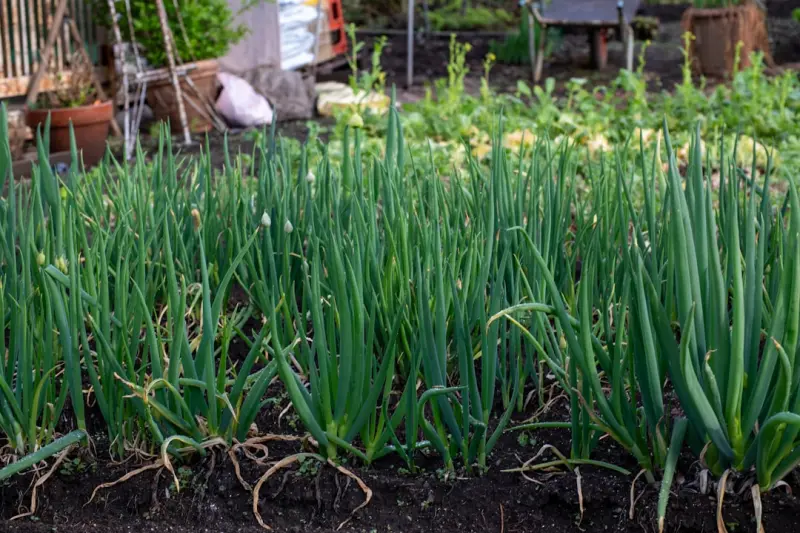
Ever felt that the freshest bite of a salad could taste like a sunrise, yet the supermarket version feels muted and pre‑packaged? I’ve spent countless evenings coaxing seedlings from tiny pots, watching their delicate leaves unfurl, and discovering that the act of growing food at home does more than fill plates—it fills life. Micro‑harvests—those bite‑sized, rapid‑growth greens you can snip in minutes—bring the garden right to the countertop, turning every meal into a celebration of vitality. By nurturing a miniature ecosystem in your kitchen, you create a feedback loop where the act of caring for plants directly fuels your body’s nourishment, making each bite a reminder of the care you invested.
Designing a Space That Thrives Year‑Round
Start by assessing the light patterns that dance across your kitchen windows; most micro‑greens crave 4–6 hours of bright, indirect sunlight, while herbs like basil thrive in a sunnier spot. Choose containers that balance depth and airflow—a shallow tray for radish micro‑greens, a deeper pot for rosemary’s root system—ensuring excess water can escape to prevent mold. I often line trays with reusable hemp mats, a simple tweak that cuts down on disposable plastic and keeps the soil evenly moist. When space is at a premium, stackable shelves become vertical farms, letting you cultivate lettuce, kale, and even edible flowers without sacrificing counter real‑estate.
Selecting Nutrient‑Dense Plants for Maximum Impact
The secret to a thriving kitchen garden lies in picking varieties that deliver a nutritional punch in a short growth cycle. Leafy greens such as mustard, arugula, and red‑cabbage micro‑greens pack up to five times the vitamin C of their mature counterparts, while herbs like cilantro and dill burst with antioxidants that support liver detoxification. Don’t overlook edible flowers—nasturtiums and violets add a splash of color and a dose of vitamin A, turning ordinary dishes into eye‑catching plates. By rotating crops every two weeks, you keep the soil lively and your palate excited, creating a dynamic menu that evolves with the seasons.
Soil Health and Sustainable Practices
Even in a compact kitchen setting, soil is the living heart of your garden, and feeding it responsibly pays dividends in flavor and yield. Blend organic compost with coconut coir to create a lightweight, aerated medium that holds moisture without becoming water‑logged. I’ve found that sprinkling a thin layer of coffee grounds adds nitrogen, while also repurposing a daily waste product—an approach that mirrors the philosophy of Zero‑Waste Dining. Periodically refresh the medium with a dash of worm castings, a natural fertilizer that boosts microbial activity, ensuring each harvest is robust and nutrient‑rich.
Watering, Light, and the Art of Consistent Care
Micro‑greens thrive on a delicate balance of moisture; too dry and they’ll curl, too wet and they’ll rot. A fine misting bottle offers precision, allowing you to dampen the surface without drowning the delicate roots. I recommend a watering schedule of once every 24‑48 hours, adjusting for humidity levels in your kitchen. If you notice seedlings stretching toward the light, rotate the trays to provide even exposure, preventing a lanky, weak growth. Consistency is key—by establishing a routine, you transform garden upkeep into a mindful pause in the day, a moment to reconnect with the living food you’ll soon enjoy.
Harvest Timing: Capturing Peak Nutrition
The moment you cut a leaf determines its flavor profile and nutrient density. Most micro‑greens reach their nutritional apex when the first true leaves appear, typically 7–14 days after sowing. Use clean scissors to snip just above the growing medium, preserving the root crown for a second harvest when possible. This “cut‑and‑reseed” method maximizes output from a single tray, offering fresh greens multiple times a week. By timing harvests to the plant’s growth stage, you lock in antioxidants, chlorophyll, and phytonutrients that support immune health and gut balance.
Integrating Fresh Harvests Into Everyday Meals
Imagine tossing a handful of peppery radish micro‑greens into a morning smoothie, or sprinkling basil leaves over a quinoa bowl for a burst of aromatic freshness. These tiny greens not only elevate taste but also boost the fiber and micronutrient content of everyday dishes. Pair them with protein‑rich foods like lentils or grilled salmon to create a balanced plate that sustains energy throughout the day. For inspiration on seasonal pairings, explore Unlocking the Power of Seasonal Superfoods, which highlights how the right combos amplify absorption of vitamins and minerals.
The Ripple Effect: Environmental and Mental Well‑Being
Beyond the plate, a kitchen garden cultivates a sense of stewardship toward the planet. Growing your own greens reduces the carbon footprint associated with transport and packaging, while also encouraging mindful consumption. The act of tending to seedlings—a simple ritual of checking soil moisture, adjusting light, and harvesting—has been shown to lower stress hormones, offering a therapeutic break from screen‑filled routines. As the plants flourish, so does your confidence in making sustainable food choices, creating a virtuous cycle that benefits both body and mind.
Take the First Step—Your Healthier Kitchen Awaits
If you’ve ever dreamed of tasting the garden’s bounty without stepping outside, now is the perfect moment to start. Gather a few trays, select a handful of nutrient‑dense seeds, and set them in a sunny corner of your kitchen. Within a week, you’ll witness the transformation from seed to vibrant leaf, and with each harvest, you’ll feel the tangible boost of fresh, living food fueling your day. Embrace the simplicity of micro‑harvests and watch how a modest indoor garden can rewrite your relationship with nutrition, sustainability, and self‑care.

Related Posts

Fermented Foods: Your Everyday Vitality Boost
Unlock the power of fermentation with everyday foods that nourish your gut, elevate energy, and prot... Read More
Microbiome Magic: How Prebiotic Power Foods Are Redefining Everyday Meals
Explore the rise of prebiotic power foods—from chicory and sunchokes to seaweed fibers—and learn... Read More
Beyond Meat: Exploring Unconventional Plant Proteins for Everyday Nutrition
Uncover the hidden power of lupin, hemp, and pea proteins to boost nutrition, delight your palate, a... Read More
Top Posts

The Flavors of the Land: Exploring the Intersection of Food, Culture, and Canadian Identity
Canadian cuisine reflects the nation's cultural heritage. Explore the intersection of food, culture, and identity, and learn how to support local agriculture an...Read More

Cottage Revival: Remote Work Meets Lakefront Living
Remote work is breathing new life into Canada’s beloved cottages, turning weekend getaways into year‑round hubs of productivity, community, and sustainable ...Read More
Sprouting Secrets: Turning Seeds into Supercharged Snacks
Learn the science, steps, and creative uses of sprouting to create nutrient‑rich micro‑greens at home, reduce waste, and boost immunity—plus tips for safe...Read More
The Sunset Plate: Harnessing Colorful Foods for Peak Performance
Explore a practical, data‑driven approach to eating a colorful “sunset” plate, with quick recipes, local foraging tips, and mindful habits to enhance ener...Read More
0 Comments
Post Comment
You will need to Login or Register to comment on this post!