
When I was a kid growing up in the foothills of the Laurentians, my grandmother would coax me into the garden every Saturday, insisting that a handful of fresh herbs could fix anything from a stubborn cold to a cranky mood. That ritual never really left me; it simply evolved. Today, in the hustle of remote work, endless Zoom calls, and the ever‑present glow of screens, I’ve learned to translate that old‑world wisdom into a modern, science‑backed approach to eating well without sacrificing convenience or flavor.
Why “Food as Medicine” Is No Longer a Hipster Cliché
For decades, the phrase “food as medicine” floated around health blogs and Instagram reels, often reduced to pretty pictures of smoothie bowls. The truth is far richer. Researchers are now mapping the exact ways that specific nutrients interact with our microbiome, hormones, and even our epigenome. This isn’t about a fad diet; it’s about a paradigm shift where the kitchen becomes a lab and the pantry a pharmacy.
Key takeaways:
- Phytonutrients such as flavonoids and carotenoids act as antioxidants, protecting cells from oxidative stress.
- Probiotic‑rich foods like fermented vegetables support a diverse gut microbiome, which in turn influences mood, immunity, and metabolic health.
- Adaptogenic herbs (think ashwagandha, rhodiola, and reishi) help modulate the stress response, keeping cortisol in check during high‑pressure workdays.
When you start viewing meals through the lens of functional benefits, the choices you make become intentional, not merely reactive.
The Power of Fermentation: A Tiny Process with Massive Benefits
If you’ve never tried fermenting at home, you’re missing out on one of the most accessible ways to boost gut health. Fermentation takes ordinary vegetables—cabbage, carrots, radishes—and transforms them into living foods brimming with beneficial bacteria. The process also creates compounds like gamma‑aminobutyric acid (GABA), a natural calming neurotransmitter.
Here’s a quick starter kit you can assemble in under thirty minutes:
- Ingredients: 1 kg of mixed vegetables, 2 % sea salt (by weight), filtered water.
- Equipment: A wide‑mouth glass jar, a fermentation weight, and a breathable cloth.
- Method: Roughly chop the veggies, toss with salt, massage until they release juice, pack tightly into the jar, add the weight, and cover with the cloth. Let sit at room temperature for 3–7 days, tasting daily until you reach the tang you love.
Not only does this yield a delicious side dish, but the live cultures continue to evolve, feeding your gut long after the first bite.
Adaptogens for the Modern Desk‑Jockey
Working from a home office can feel like an endless marathon of deadlines, caffeine spikes, and occasional burnout. Adaptogens are herbs that help the body maintain equilibrium under stress. They’re not a quick fix, but when incorporated consistently, they can smooth out the peaks and valleys of a hectic schedule.
Here’s a simple daily ritual:
- Morning: Add a teaspoon of ashwagandha powder to your coffee or oat latte.
- Mid‑day: Sip on a reishi mushroom tea (available in loose leaf or teabag form) to support immune function.
- Evening: Blend a small handful of fresh mint, a splash of lemon juice, and a pinch of rhodiola into a calming herbal infusion.
These subtle additions can enhance focus, reduce anxiety, and promote better sleep without the crash that comes from relying on extra coffee.
Seasonal Plant‑Based Eating: Less Waste, More Flavor
Seasonality isn’t just a buzzword; it’s a roadmap to nutritionally dense foods that are at their peak flavor and lowest environmental cost. By aligning your grocery list with what’s naturally harvested, you minimize transportation emissions and support local farmers.
Take a look at the spring calendar for the northeastern corridor:
- Leafy Greens: Spinach, arugula, and beet greens—rich in iron and vitamin K.
- Root Vegetables: Radishes, turnips, and early carrots—packed with beta‑carotene and fiber.
- Herbs: Chives, parsley, and sorrel—brimming with antioxidants and fresh flavor.
Pairing these ingredients into a single bowl can deliver a balanced macronutrient profile while keeping your palate excited.
Smart Meal Prep Powered by Community Resources
One of the biggest barriers to consistent healthy eating is time. Traditional meal prep can feel like a solo mission, but there’s a growing ecosystem of community‑driven resources that can streamline the process. In many Canadian cities, shared kitchen tool libraries now let you borrow high‑end blenders, sous‑vide machines, and even fermentation crocks for a fraction of the cost.
Imagine a weekly routine where you:
- Check out a powerful blender on Monday to whip up a batch of green smoothies for the week.
- Borrow a fermentation crock on Tuesday to start a big pot of sauerkraut, which will be ready by Friday.
- Use a sous‑vide circulator on Thursday to perfectly cook salmon for a quick, protein‑rich dinner.
This approach not only reduces the upfront investment in kitchen tech but also fosters a sense of shared responsibility for sustainable consumption.
From Farm to Fork: Harnessing Data for a Transparent Food System
When we think of “farm‑to‑fork,” we often picture a farmer’s market stand and a reusable tote bag. The reality today is far more sophisticated. Digital platforms are enabling real‑time tracking of crops from seed to shelf, ensuring freshness, reducing waste, and providing consumers with traceability.
One inspiring example is the farm‑to‑table movement powered by data and renewable energy. Farmers use IoT sensors to monitor soil moisture, sunlight exposure, and nutrient levels. This data informs precise irrigation and fertilization, cutting down on water use and chemical runoff. The result? Produce that’s not only healthier but also more environmentally friendly.
By choosing vendors who embrace this transparency, you’re supporting a cycle that rewards sustainable practices and delivers peak nutrition to your plate.
Building a Micro‑Garden on a Balcony or Windowsill
If you don’t have a backyard, don’t despair. A micro‑garden can be as simple as a few repurposed containers on a sunny balcony. Here’s a starter list that yields a daily dose of vitamins and herbs:
- Microgreens: Radish, broccoli, and pea shoots—ready to harvest in 7–10 days.
- Herbs: Basil, cilantro, and thyme—thriving in shallow pots with good drainage.
- Leafy Greens: Lettuce and kale—compact varieties that produce multiple harvests.
Pair these home‑grown greens with your fermented creations and you have a self‑sustaining, nutrient‑dense meal cycle that requires minimal effort.
Mindful Eating in a Digital World
Even the healthiest plate can be sabotaged by distraction. The habit of scrolling through a phone while eating blurs the signals that tell your brain you’re full, often leading to overeating. To counter this, try the “three‑minute pause” before each bite: set your device aside, inhale deeply, and notice the colors, aromas, and textures of your food. This simple practice can improve digestion, enhance satisfaction, and reinforce a healthier relationship with eating.
Putting It All Together: A Sample Day
Here’s how a typical day might look when you blend these concepts:
- Breakfast: A smoothie made with spinach, frozen berries, a scoop of ashwagandha powder, and oat milk, blended in a borrowed high‑speed blender.
- Mid‑morning Snack: A handful of fermented carrot sticks, prepared the night before.
- Lunch: A bowl of quinoa, roasted seasonal root vegetables, and a generous topping of microgreens, seasoned with fresh parsley and lemon.
- Afternoon Boost: A reishi tea paired with a piece of dark chocolate (70 % cacao).
- Dinner: Sous‑vide salmon served over a salad of arugula, beet greens, and a drizzle of olive oil, finished with a sprinkle of toasted pumpkin seeds.
Each component offers a specific functional benefit—antioxidants, probiotics, adaptogens, and high‑quality protein—while also supporting local economies and sustainable practices.
Final Thoughts: Your Plate Is a Powerful Tool
Healthy eating isn’t about perfection; it’s about intentionality. By integrating fermentation, adaptogens, seasonal produce, community resources, and mindful practices, you transform every meal into an act of self‑care and environmental stewardship. The next time you reach for a snack, ask yourself: “What does my body truly need right now, and how can I honor that with food?” The answers will guide you toward a vibrant, resilient life—just as my grandmother’s garden taught me, only now with a dash of modern science.

Related Posts

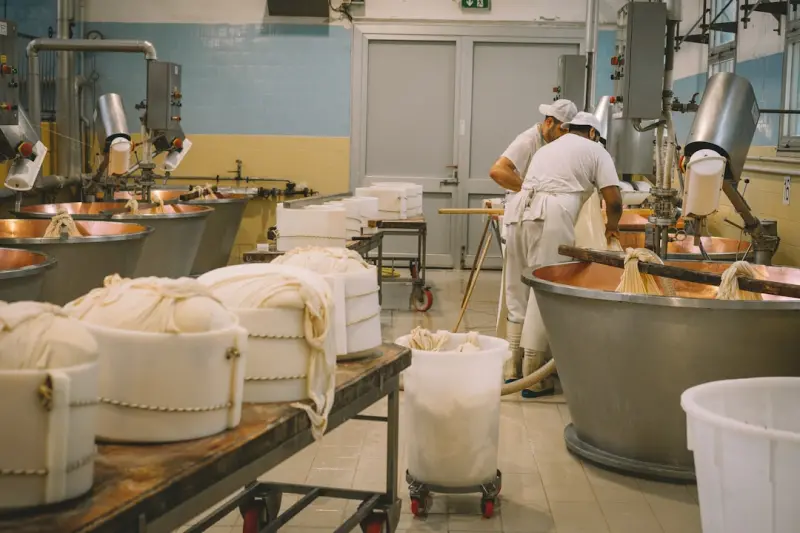
Fermentation Frontiers: Unlocking Gut Health for High‑Performance Professionals
A deep dive into the science of fermentation, its impact on gut health, and actionable ways busy pro... Read More
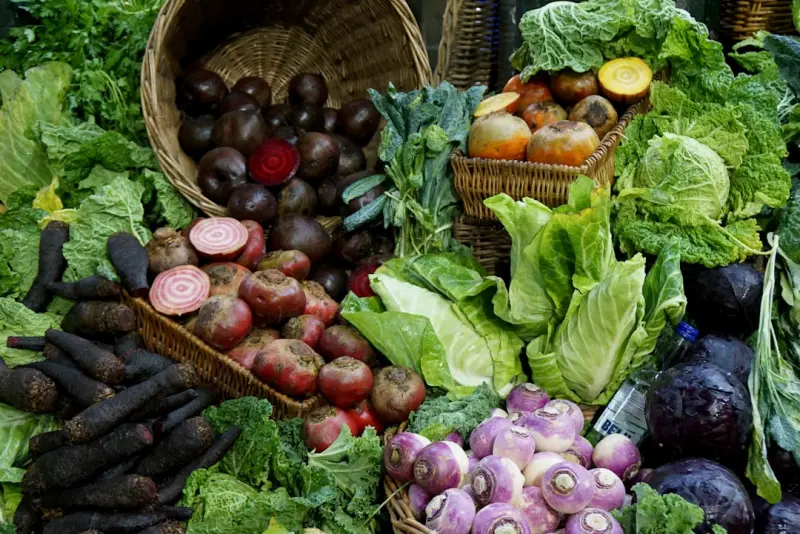
Rediscovering Uncommon Vegetables: A Fresh Path to Everyday Nutrition
A deep dive into overlooked vegetables—kohlrabi, celtuce, tatsoi, and more—revealing their uniqu... Read More
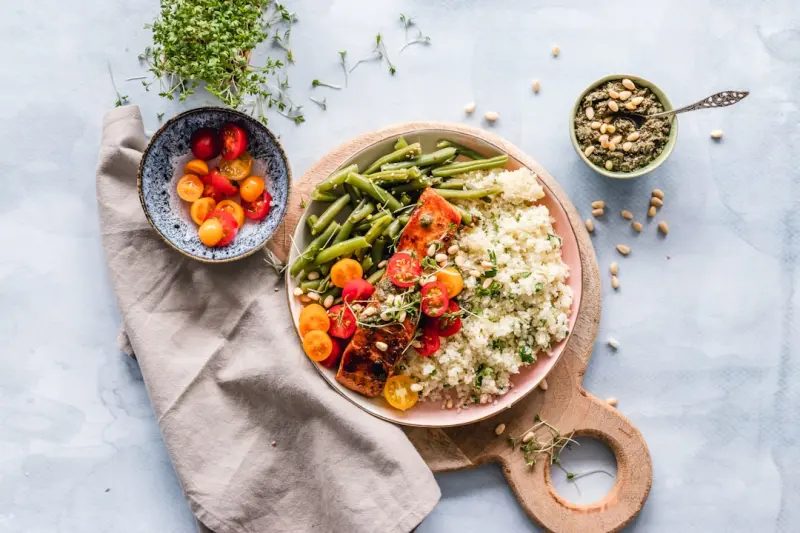
Unlocking Nature’s Pharmacy: How Everyday Ingredients Supercharge Your Health
Learn to transform everyday pantry items into powerful health allies with seasonal foraging, ferment... Read More
Top Posts

The Legal Playbook for Managing a Distributed Remote Workforce in Canada
Remote work reshapes legal obligations across provinces and borders. This guide outlines contract updates, tax considerations, health‑and‑safety duties, and...Read More

Beyond the Gown: Crafting Lasting Digital Memories for Prom and Graduation
A fresh look at how technology can turn prom and graduation nights into timeless digital experiences, from personalized playlists to collaborative memory books....Read More

Tariff‑Driven Latency: What SaaS Leaders Need to Know
Tariffs aren’t just trade talk—they’re quietly reshaping SaaS performance. Discover how hardware costs, edge deployments, and contract clauses influence l...Read More

Ontario’s Fishing Tech Revolution: Casting Smarter, Not Harder
Discover the rise of modern fishing tools in Ontario—from smartphone apps to drone scouting—and learn how they’re making angling smarter, safer, and more ...Read More
0 Comments
Post Comment
You will need to Login or Register to comment on this post!