
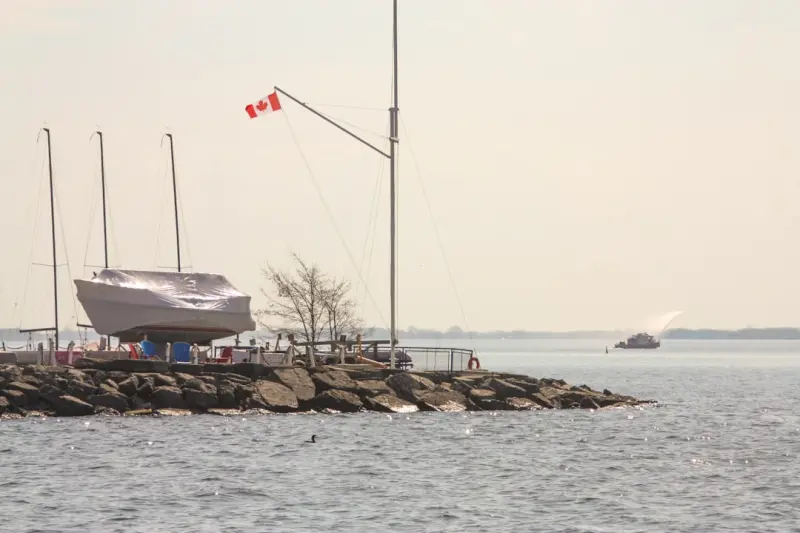
Why Ontario Anglers Are Turning Their Boats into Mobile Conservation Labs
When I first tossed a line into the crystal‑clear waters of Lake Simcoe, I was chasing a trophy pike, not a scientific breakthrough. Today, the same lake is buzzing with a different kind of excitement: anglers equipped with water‑proof tablets, biodegradable lures, and a shared commitment to keep Ontario’s fisheries thriving for the next generation. This isn’t a fleeting fad; it’s a quiet revolution that’s reshaping how we experience fishing, how we protect ecosystems, and how we connect with fellow outdoor enthusiasts.
The Data‑Driven Dawn of Ontario Fishing
Gone are the days when a fisherman’s notebook was the only record of catch size, location, and weather conditions. Modern anglers are harnessing real‑time data to make smarter, more sustainable decisions on the water. Apps that sync with satellite weather feeds now provide hyper‑local forecasts, while sonar‑enhanced fish finders can differentiate species without invasive practices.
One of the most powerful tools in this toolbox is the community‑sourced mapping platform that aggregates anonymous catch reports. When an angler logs a catch, the data point is plotted on a public heat map. Over weeks and months, patterns emerge—showing where walleye populations are thriving, where bass are declining, and where invasive species like zebra mussels are making inroads. This collective intelligence helps everyone adjust their tactics, reduces pressure on overfished spots, and guides local conservation groups in prioritizing habitat restoration.
For those curious about the broader tech landscape shaping these shifts, see how digital policy is influencing rural connectivity and the flow of data that makes these tools possible.
Eco‑Friendly Gear: From Lures to Lines
Traditional fishing gear, while effective, can leave a lingering footprint. In recent years, Ontario’s angling community has embraced a suite of environmentally conscious alternatives:
- Biodegradable Lures: Made from plant‑based polymers, these lures dissolve within weeks if lost, eliminating the “ghost lure” problem that once cluttered lake beds.
- Lead‑Free Weights: Tungsten or steel weights replace lead, preventing toxic contamination of water and wildlife.
- Recycled Line: High‑strength monofilament crafted from reclaimed fishing line reduces plastic waste and maintains tensile strength.
Each of these innovations isn’t just a marketing gimmick; they’re backed by research showing measurable improvements in water quality and fish health. When paired with data‑driven insights, anglers can target their efforts more precisely, meaning fewer casts, less gear lost, and a healthier ecosystem.
Night‑Fishing with a Conscience
Ontario’s long summer evenings have always lured anglers to the water after sunset. Yet night‑fishing has traditionally been critiqued for its potential to disrupt nocturnal fish behavior. Modern practices are turning that narrative on its head.
Using low‑intensity LED lights that mimic natural moonlight, anglers can attract fish without causing the bright‑flash shock that disorients species. Coupled with silent‑run trolling motors, the disturbance is minimal, allowing fish to feed naturally. Moreover, many night‑fishing crews now follow a “catch‑and‑release” protocol, measuring and photographing each fish before gently returning it to the water. This data—size, weight, health indicators—is then uploaded to the community platform mentioned earlier, feeding into the broader conservation picture.
Community Stewardship: The Power of Local Clubs
Ontario’s 1,000+ fishing clubs have long been the backbone of the sport, but they’re now evolving into citizen science hubs. Monthly “Fish Health Clinics” invite members to bring in their catches for basic health assessments: checking for parasites, measuring growth rates, and recording any physical abnormalities.
These clinics double as educational workshops. Veteran anglers share best practices for sustainable gear, while biologists explain how seasonal spawning cycles influence catch limits. The result? A tighter feedback loop where community knowledge informs policy, and policy, in turn, empowers the community.
To see a parallel example of how collaborative tech initiatives are reshaping other sectors, explore the story of data‑driven decision‑making in the culinary world. The lessons are surprisingly transferable to our own waterways.
From Catch to Kitchen: Ethical Harvesting
Many Ontario anglers are extending their stewardship beyond the moment the fish is caught. Ethical harvesting emphasizes:
- Size‑Selective Release: Keeping only fish that have reached reproductive maturity ensures the next generation has a chance to thrive.
- Seasonal Awareness: Avoiding peak spawning periods reduces stress on populations.
- Traceable Consumption: Some anglers now partner with local chefs to prepare “catch‑of‑the‑day” dishes that feature only sustainably harvested fish, complete with provenance labels.
This approach not only protects fish stocks but also educates diners about the origins of their meals, fostering a deeper appreciation for the interconnectedness of food, sport, and environment.
Policy Impacts: How Regulations Are Evolving
Ontario’s Ministry of Natural Resources and Forestry has taken notice of the grassroots momentum. Recent amendments to the Fisheries Act incorporate provisions for community‑submitted data, allowing citizen reports to influence quota adjustments. Additionally, incentives are being rolled out for manufacturers who certify their gear as “environmentally friendly,” offering tax credits and faster approval processes.
These policy shifts reflect a broader trend: governments recognizing that sustainable outcomes are best achieved when they partner with the very people who live and work on the land (or water). By aligning regulations with on‑the‑ground innovations, Ontario is setting a benchmark for other provinces and even neighboring U.S. states.
Future Horizons: The Role of AI and Drone Technology
Looking ahead, the convergence of artificial intelligence and aerial drones promises to take Ontario fishing stewardship to new heights. Imagine a fleet of autonomous drones that monitor lake surface temperatures, algae blooms, and fish schooling patterns—all in real time. AI algorithms could predict optimal fishing windows, alert anglers to emerging hazards, and even suggest alternative locations to alleviate pressure on over‑fished spots.
While the technology is still nascent, pilot programs on Lake Erie have already demonstrated a 15% reduction in by‑catch when drones were used to guide anglers away from vulnerable habitats. As costs drop and accessibility improves, it’s likely that every serious angler will have a drone companion on their boat within the next few years.
Getting Started: A Practical Checklist for the Eco‑Conscious Angler
Ready to join the movement? Here’s a simple, actionable checklist to ensure your next outing aligns with sustainable principles:
- Upgrade Your Gear: Switch to biodegradable lures, lead‑free weights, and recycled line.
- Download a Catch‑Log App: Choose one that syncs with the community mapping platform.
- Practice Night‑Fishing Wisely: Use low‑intensity LEDs and silent motors; always release undersized fish.
- Engage with Local Clubs: Attend fish health clinics and share your data.
- Stay Informed on Regulations: Review the latest Ontario fishing quotas and seasonal restrictions.
- Consider a Drone Companion: If within budget, explore hobby‑grade drones for surface monitoring.
By following these steps, you’ll not only enhance your own angling experience but also contribute to a healthier, more resilient aquatic ecosystem for all Ontarians.
Closing Thoughts: The Ripple Effect of Responsible Angling
Fishing has always been about patience, skill, and a deep respect for nature’s rhythms. Today, that respect is amplified by data, technology, and community collaboration. Each time we cast a line with intention, we send out a ripple—one that can improve water quality, boost fish populations, and inspire neighboring shorelines to adopt similar practices.
Ontario’s lakes and rivers are more than just recreational assets; they’re living laboratories where tradition meets innovation. By turning our boats into mobile conservation labs, we honor the legacy of those who taught us to fish while paving the way for a future where sport and stewardship walk hand in hand.

Related Posts
Hidden Tributaries: Ontario’s Untapped Fishing Havens
Explore Ontario’s hidden waterways, seasonal cues, Indigenous insights, and eco‑friendly tips to... Read More
Ontario Ice Fishing Festivals: Community, Cuisine, and Cold‑Weather Adventure
Explore the vibrant world of Ontario’s ice fishing festivals, where anglers, chefs, musicians, and... Read More

Chasing the Midnight Bite: Ontario’s Hidden Night Fishing Gems
Discover Ontario’s hidden lakes perfect for night fishing, from essential gear to sustainable prac... Read More
Top Posts
Digital Federalism: How Canada Is Reinventing Citizen Engagement
Canada’s political system is undergoing a quiet revolution through digital federalism—integrating open data, secure digital IDs, and interactive platforms t...Read More

Pharmacist‑Led Clinics: Redefining Primary Care in Canada
Pharmacist‑led clinics are emerging as a powerful solution to Canada's primary‑care challenges, offering faster access, integrated services, and cost saving...Read More

When Lifestyle Inflation Becomes Your Biggest Expense
Explore how subtle upgrades in housing, tech, and social habits silently inflate your cost of living, and learn actionable steps to reclaim financial control an...Read More
Ontario's Fresh Wave: Reviving Indigenous Fishing Wisdom for Modern Anglers
Ontario anglers are turning to Indigenous fishing traditions, integrating centuries‑old ecological knowledge with modern tools to create a more sustainable, c...Read More
0 Comments
Post Comment
You will need to Login or Register to comment on this post!