
Charting the Next Wave: Ontario’s Fishing Landscape Is Shifting
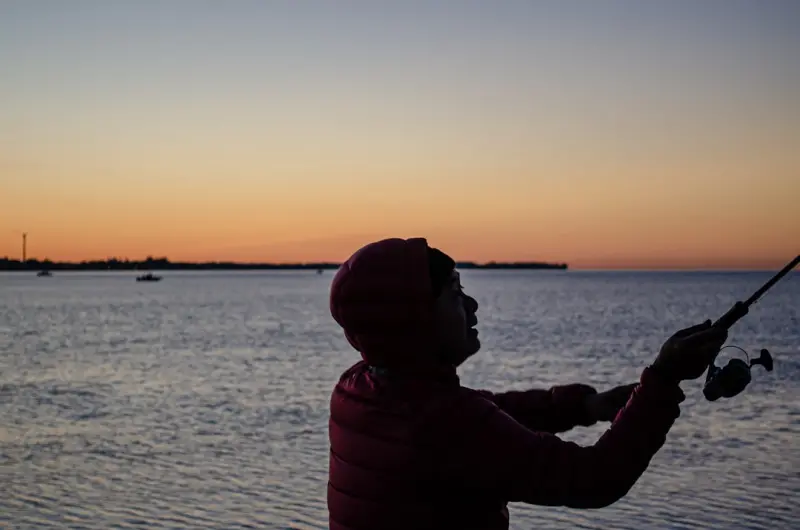
I’ve spent more than a decade casting lines along the shores of Lake Simcoe, the bays of Georgian Bay, and the quiet backwaters of the Thames. What started as weekend ritual has become a barometer for how the sport, the community, and the environment are evolving. If you’ve ever wondered why the fish you used to catch seem a bit more elusive, or why a new brand of lure has you rethinking your whole approach, you’re not alone. The waters of Ontario are quietly rewriting the playbook, and I’m here to map out the currents.
From Classic Tackle to Smart Gear – A Practical Upgrade
For many anglers, the lure box still looks like it did in the ‘90s: a collection of plastic minnows, a few spinners, and a trusty wooden jig. The good news is that technology has seeped into the tackle drawer without turning it into a sci‑fi lab. Here’s what’s gaining traction on the Ontario scene:
- Bluetooth‑enabled fish finders. Small, waterproof units that pair with your phone give you real‑time depth readings and a simple sonar map. No need for a bulky hull‑mounted system.
- LED‑lit soft plastics. These work especially well in the murky waters of the St. Lawrence fringe, where low‑light conditions can hide even the most aggressive pike.
- Eco‑friendly biodegradable lines. While still a niche, more retailers in Toronto and Ottawa are stocking lines that break down over months, reducing long‑term litter.
Integrating one or two of these upgrades can make the difference between a day of “maybe tomorrow” and a day of solid, repeatable catches.
Spotlight on Emerging Hotspots – Beyond the Usual Haunts
Ontario’s fishing map is expanding. While the classic spots remain popular, a handful of lesser‑known locations are seeing a surge in activity, driven by both local word‑of‑mouth and a modest rise in online community sharing.
- The North Channel’s Hidden Inlets. Accessible via a short drive from Sault Ste. Marie, these coves host abundant walleye during the spring surge. The water temperature stays stable longer than the main channel, encouraging fish to linger.
- Lake St. Clair’s Eastern Shore. A series of old quarry pits now filled with clear water have become a sanctuary for smallmouth bass. Early morning casts with a 5‑weight jig have proven especially effective.
- The Ottawa River’s Upper Stretch. Recent rain patterns have opened up previously shallow runs, creating new feeding corridors for northern pike. Anglers who set up a portable blinds system have reported impressive bites.
These spots are not yet crowded, and the fish are still wary of heavy pressure. If you’re willing to venture a little off the beaten path, the payoff can be substantial.
Community‑Driven Knowledge Sharing – The New “Fishing Club”
Back in the day, we relied on a handful of seasoned locals and printed guidebooks. Today, a vibrant network of Ontario anglers is swapping tips on forums, social media groups, and dedicated apps. This peer‑to‑peer knowledge exchange is shaping the way we fish in real time.
One platform that’s gaining traction is a mobile app that lets you log catches, share GPS coordinates, and post quick videos of the strike. The data is anonymous, but the aggregated insights help everyone understand where fish are moving week by week. I’ve found that checking the “hot‑spot” feed before heading out can shave an hour or more off the scouting phase.
If you’re interested in how other industries are leveraging small‑scale ownership models to keep talent motivated, you might appreciate the small ownership approach that’s been discussed in tech circles. The principle is similar: when participants feel a stake in the collective outcome, the community thrives.
Adapting to Shifting Seasons – Climate Influence on Species Patterns
Ontario’s climate has been in a subtle flux for years, and that ripple shows up on the water. Warmer springs have nudged some species to spawn earlier, while cooler autumns have prolonged the feeding window for others. Here’s how to adjust:
- Early‑season bass. Target bass in May rather than June. Use a slower retrieve to mimic the reduced prey activity caused by cooler water.
- Late‑season trout. As temperatures dip in October, trout move into deeper, slower currents. Switch to nymph rigs and focus on the river bends where the current eases.
- Winter pike. In colder months, pike gather around submerged structures that retain a bit of warmth. Deploy larger jig heads and pause often to let the fish investigate.
Understanding these shifts helps you stay ahead of the curve, ensuring that each outing feels productive rather than a guessing game.
Gear Maintenance for the Long Haul – Small Steps, Big Returns
Nothing kills a day on the water faster than equipment failure. A few disciplined habits can keep your gear in top shape season after season:
- Rinse immediately. Freshwater isn’t as corrosive as saltwater, but lake and river debris can grind down moving parts. A quick rinse with a hose after each outing preserves reel bearings.
- Use a light oil on guides. A dab of silicone spray after cleaning reduces friction and extends line life.
- Rotate your rods. Even if you have a favorite, swapping rods weekly helps prevent permanent flex set‑in, which can affect casting accuracy.
These practices are simple, but they compound over time, reducing the need for costly replacements.
Beyond the Catch – Adding Value to the Experience
Fishing is more than a solitary pursuit; it’s a chance to connect with friends, family, and the natural world. Here are a few ways to enrich the outing without adding a lot of expense:
- Portable cooking kits. A lightweight stove and a few basic ingredients let you turn a fresh‑caught trout into a memorable meal on the spot.
- Nature journaling. Bring a small notebook to record water conditions, insect activity, and fish behavior. Over time, you’ll notice patterns that aren’t obvious in a single day’s log.
- Local storytelling. Many Ontario communities have folklore tied to specific lakes. Learning a story before you cast adds cultural depth to the experience.
When you blend the practical with the experiential, each trip feels like a mini‑adventure rather than just a tick‑box activity.
Linking Lifestyle Trends to the Fishing World
The same curiosity that drives people to experiment with home‑grown foods is spilling over into how they approach their tackle boxes. If you’ve ever dabbled in making your own pickles or kombucha, you’ll understand the appeal of crafting a custom lure. There’s a growing niche of anglers who blend DIY techniques with traditional designs, using materials like cedar wood and natural dyes to create baits that stand out in clear water.
For a deeper dive into the DIY food movement and its health benefits, check out the article on DIY fermentation basics. The mindset of hands‑on creation translates nicely to building a personal lure arsenal.
Looking Ahead – What’s on the Horizon for Ontario Anglers?
While I won’t claim to have a crystal ball, several trends seem poised to shape the next few years:
- Increased collaboration with Indigenous knowledge keepers. Partnerships are forming to respect traditional fishing grounds and incorporate centuries‑old stewardship practices.
- Regulatory refinements. Ontario’s Ministry of Natural Resources is reviewing licence structures to better align with conservation goals, potentially introducing tiered limits based on catch data.
- Growth of guided eco‑tours. Operators are packaging sustainable practices with expert guidance, offering anglers a chance to learn while minimizing impact.
Staying informed and adaptable will let you ride these waves rather than be left on the shore.
Final Cast – Make Every Trip Count
Ontario’s waters are a living, breathing system that rewards curiosity, preparation, and respect. By embracing smart gear, exploring emerging hotspots, tapping into community knowledge, and adjusting to seasonal nuances, you’ll find that each outing brings fresh satisfaction.
So next time you load the truck, consider swapping one of those old plastic minnows for a LED‑lit soft plastic, map a new inlet on your GPS, and jot down a note about the water temperature. The lake is waiting, and the story you write with each cast will be uniquely yours.

Related Posts
Ontario Fishing: Secrets of the Lakes and Rivers
Discover how to read water temperature cues, select optimal gear, and honor local traditions for a r... Read More
From Dock to Dish: Elevating Ontario’s Fresh‑Caught Fish in Home Kitchens
A fresh catch isn’t the end of the adventure—it’s the start of a culinary journey. Discover ho... Read More

Reeling into Ontario: Seasonal Secrets Every Angler Should Know
Discover Ontario's year‑round fishing secrets, from spring walleye runs to hidden winter ice holes... Read More
Top Posts

Unlocking the Sprout Revolution: How Tiny Greens Supercharge Your Health
Sprouting turns humble seeds into nutrient‑dense greens that enhance digestion, reduce waste, and fit effortlessly into everyday meals—offering a simple, sc...Read More

How Community Tool Libraries Are Reshaping Canadian Home Life
Community tool libraries are turning borrowing into a neighborhood ritual, saving money, reducing waste, and strengthening social ties across Canada. Discover h...Read More
Charting New Waters and Roads: How Curated Cruise and Bus Tours Fuel Executive Insight
Executive travel is evolving beyond leisure. Curated cruise and bus tours now blend cultural immersion, sustainability, and leadership development, turning ever...Read More

Tariff Transparency: Building Trust in SaaS Pricing
A deep dive into why openly sharing tariff impacts with customers builds trust, speeds sales cycles, and creates a sustainable competitive edge for SaaS busines...Read More
0 Comments
Post Comment
You will need to Login or Register to comment on this post!