
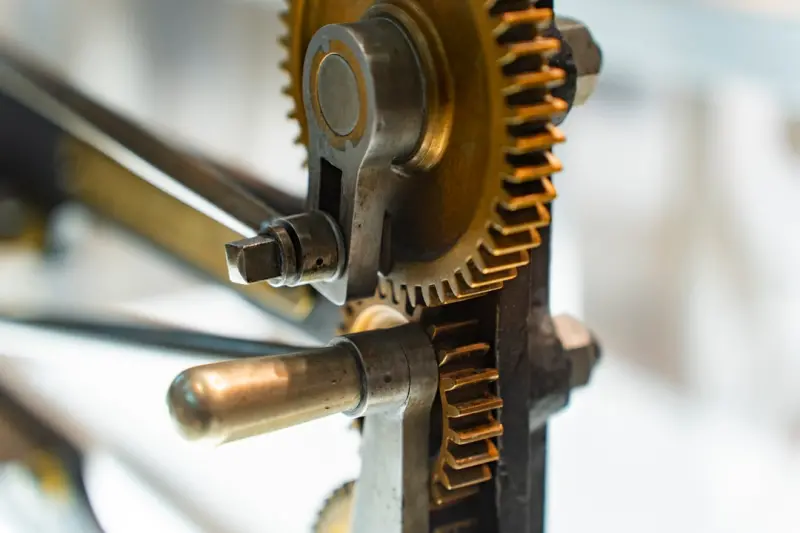
Reeling in Innovation: How Smart Gear Is Transforming Ontario Fishing
When I first cast a line on the Niagara River as a teenager, the only “technology” I trusted was the feel of the reel in my hands and the sound of the water rushing past the shoreline. Fast‑forward a few decades, and the same river now hums with Bluetooth‑enabled depth finders, solar‑powered trolling motors, and AI‑driven catch‑prediction apps. As an avid Ontario angler who’s watched the sport evolve from simple pole‑and‑line to a high‑tech adventure, I’ve learned that embracing the right gadgets doesn’t just make the experience cooler—it makes it smarter, safer, and more sustainable for the next generation of fishermen.
From Classic Tackle to Connected Tools
The traditional fishing kit—rod, reel, line, and a handful of lures—still has a place in the water, but today’s anglers are augmenting those basics with a suite of digital companions. Here’s a quick rundown of the categories that are reshaping our Ontario waters:
- Smart Sonar & Depth Finders: Handheld units now sync with smartphones, delivering real‑time bathymetric maps, fish‑school alerts, and temperature gradients. The visual data helps you pinpoint where trout are congregating in Lake Simcoe’s cool depths.
- GPS‑Enabled Cast Trackers: Forget the guesswork of casting distance. These devices log each throw, analyze wind patterns, and suggest optimal angles for the next cast—perfect for those windy mornings on Lake Erie.
- AI‑Powered Forecast Apps: Leveraging historical data and live weather feeds, these platforms predict bite activity windows down to the hour, giving you a statistical edge before you even step onto the dock.
- Solar‑Charged Trolling Motors: Quiet, eco‑friendly, and capable of maintaining a consistent speed, these motors allow you to cover larger water sections without spooking the fish—a boon for pike hunters on the expansive waters of Lake Nipissing.
- Wearable Health Monitors: While not fishing gear per se, a smartwatch that tracks heart rate and hydration can prevent fatigue on long days, especially when you’re chasing the elusive sturgeon in the Ottawa River.
Why Ontario Anglers Are Turning to Tech
Ontario boasts a staggering diversity of freshwater ecosystems—from the crystal‑clear tributaries of the Algonquin Park region to the brackish bays of the Great Lakes. This variety brings a challenge: each water body has its own rhythm, temperature profile, and fish behavior patterns. Smart gear helps us decode those nuances in three key ways:
1. Precision Targeting
Traditional spot‑fishing relies heavily on intuition and trial‑and‑error. A modern depth finder paired with a GPS map lets you overlay fish‑habitat layers—like submerged vegetation and drop‑offs—directly onto your phone. The result? You spend less time drifting aimlessly and more time positioning your lure where the fish actually reside.
2. Data‑Driven Learning
Every successful (or failed) outing generates data: water temperature, time of day, lure type, and catch size. Most apps now let you store this information in a personal logbook. Over weeks, patterns emerge, revealing, for instance, that bass bite most aggressively on overcast evenings in Lake St. Clair when water temps hover around 15 °C. This iterative learning loop transforms a hobby into a science.
3. Safety & Conservation
Ontario’s remote lakes can be unforgiving. Satellite messengers and marine VHF radios, once the domain of commercial vessels, are now affordable for recreational anglers. In the unlikely event of an accident—say a capsized canoe on Lake Muskoka—these devices can summon help instantly. Moreover, many smart sonar systems are designed to minimize acoustic disturbance, supporting fish welfare and aligning with the province’s conservation goals.
Getting Started: A Practical Tech Checklist
If you’re curious but wary of the learning curve, start small. Below is a tiered approach that lets you upgrade at your own pace.
- Entry Level – Smartphone Apps: Download a reputable fishing forecast app. Look for features like tide predictions (even on lakes, “wind‑set up” mimics tidal effects) and community catch reports.
- Mid‑Range – Handheld Depth Finder: Choose a model with a clear LCD, Bluetooth connectivity, and a battery life of at least 8 hours. Pair it with your phone for live mapping.
- Advanced – Integrated Trolling Motor & Solar Panel: Opt for a brushless motor with a built‑in solar charger. This setup is perfect for multi‑day expeditions on large bodies like Lake Nipigon.
- Pro – Full‑Suite Ecosystem: Combine sonar, GPS, AI forecast, and wearable health tech. Many brands now offer bundled packages that sync seamlessly across devices.
Remember, technology is a tool, not a crutch. The best anglers still read the water, understand fish behavior, and respect the environment.
Integrating Tech with Traditional Knowledge
Ontario’s fishing heritage is rich with stories passed down through generations—tales of the “big one” that got away, of secret weirs, and of seasonal migrations. Smart gear should complement, not replace, that wisdom. Here’s how you can blend the old with the new:
- Use Historical Data: Many AI apps let you import your own legacy catch logs. Cross‑reference those entries with current sonar readings to see how fish locations have shifted over the years.
- Respect Indigenous Practices: Indigenous communities have stewarded Ontario’s waters for millennia. Engage with local First Nations to learn about traditional spawning grounds, then use your tech to monitor those sites responsibly.
- Seasonal Timing: While an app may suggest a perfect bite window, the local “fishing season”—when regulations permit certain species—remains paramount. Always verify with the Ontario Ministry of Natural Resources.
Case Study: A Weekend on Lake St. Clair
To illustrate the impact of smart gear, I recently spent a two‑day trip on Lake St. Clair with a modest setup: a mid‑range depth finder, a GPS‑enabled cast tracker, and a weather‑forecast app.
Day One began with a cloudy sky and water temps at 14 °C. The app predicted a bite spike for northern pike around 0900–1100 hrs near the western shoals. I plotted the shoal’s coordinates on my phone, lowered the depth finder, and confirmed a dense school of baitfish—prime pike hunting grounds. Within 30 minutes, I landed three 8‑pound pike, each caught using a jitter‑plug that the app recommended for that depth.
Day Two featured a sudden wind shift. The cast tracker recorded a 45‑meter cast deviation due to the gusts. By analyzing the data, I adjusted my angle and reduced the windage on my lures. The depth finder then highlighted a deeper thermocline where lake trout were holding. A single spin‑bait, guided by the sonar’s “fish‑finder” alert, yielded a 4‑pound trout—a first for me on this lake.
This concise experiment showcases how data‑driven decisions can boost success rates while reducing wasted effort and fuel consumption.
Balancing Tech with Environmental Stewardship
Ontario’s ecosystems are delicate, and the influx of gadgets raises concerns about over‑reliance on electronic equipment. Here are some best practices to ensure your tech use remains eco‑friendly:
- Minimize Acoustic Impact: Use low‑frequency sonar settings when possible. High‑frequency pulses can stress fish, especially during spawning seasons.
- Power Conservation: Solar chargers and energy‑efficient devices reduce the need for disposable batteries, lowering your carbon footprint.
- Leave No Trace: Secure all gear after a trip. Small items like waterproof cases can become litter if forgotten on remote shorelines.
- Share Data Responsibly: Many apps aggregate catch data to help manage fish populations. Contribute accurate, anonymized data to support scientific research and regulatory decisions.
Connecting with the Wider Angling Community
One of the most rewarding aspects of modern fishing tech is the ability to connect with fellow anglers across the province. Online forums and social groups let you exchange tips, compare catch logs, and even organize meet‑ups at popular spots like the Ontario fishing havens. While those locations are already well‑known, the discussion often turns to emerging hotspots identified through real‑time sonar feeds—places you might not have discovered otherwise.
If you’re interested in blending technology with a broader lifestyle perspective, check out the article on digital nomadism in the Canadian wilderness. It offers insights into how remote work and connectivity are reshaping travel, including fishing trips that double as mobile offices.
Future Trends: What’s Next for Ontario Anglers?
We’re on the cusp of several exciting developments that could further revolutionize our sport:
- Augmented Reality (AR) Overlays: Imagine pointing your smartphone at a lake and seeing a translucent map of fish density, underwater structures, and optimal lure suggestions, all in real time.
- IoT‑Enabled Lures: Smart lures equipped with tiny accelerometers can transmit vibration patterns when a fish bites, alerting you instantly via a haptic wristband.
- Machine Learning Predictive Models: Advanced algorithms could forecast seasonal shifts years in advance, helping you plan trips that align with long‑term ecological trends.
- Carbon‑Neutral Boats: As electric propulsion technology matures, anglers will have quieter, cleaner ways to explore remote lakes without polluting the waters they cherish.
These innovations promise not only a more exciting fishing experience but also a deeper alignment with conservation goals and responsible stewardship of Ontario’s aquatic resources.
Final Thoughts: Casting Toward a Smarter Future
Ontario’s waterways have always offered a blend of challenge, beauty, and tranquility. By thoughtfully integrating smart gear into our routine, we can enhance our connection to the fish, the environment, and each other. Technology isn’t a replacement for the patience and skill honed over years; it’s a catalyst that amplifies those qualities, turning each outing into a richer, data‑informed adventure.
Whether you’re a weekend hobbyist or a seasoned tournament competitor, the tools are now at your fingertips. Embrace them, respect the waters, and enjoy the next generation of Ontario fishing—where tradition meets innovation on every ripple.

Related Posts
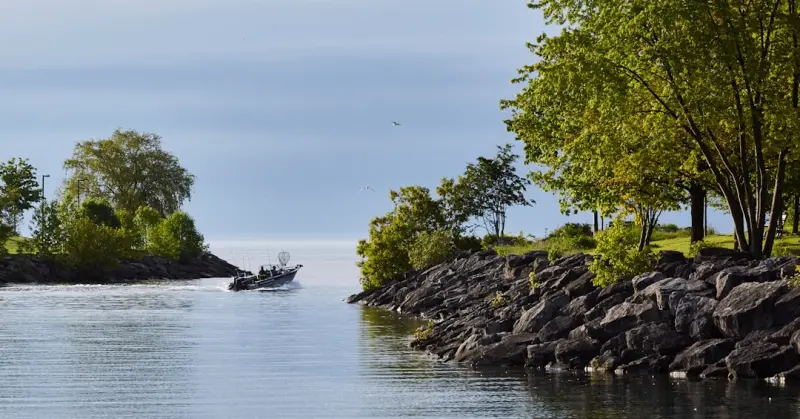
Casting Beyond the Known: Ontario’s Emerging Fishing Frontiers
Explore Ontario’s lesser‑known lakes and streams, learn sustainable angling habits, and see how ... Read More

When the Lakes Talk: Listening to Ontario’s Fish in a Changing Climate
Ontario’s waters are changing, and so are the fish. This post reveals how climate impacts fish beh... Read More
Ontario’s Catch‑and‑Release Revolution: Protecting Our Waters One Cast at a Time
Ontario’s catch‑and‑release movement is reshaping angling culture. Learn the science, gear, an... Read More
Top Posts
Heritage Grains: How Ancient Crops Are Transforming Today’s Kitchen
Explore the rise of heritage grains, their health benefits, and how chefs and home cooks are weaving ancient varieties into today’s dishes for flavor, nutriti...Read More

Building a National Backbone of Community Innovation
From citizen‑run data hubs to micro‑grid experiments, grassroots innovation is redefining how Canada tackles infrastructure, climate, and digital challenges...Read More

When Menus Whisper: Crafting Stories Behind Every Bite
A deep dive into how narrative-driven menus turn ordinary meals into immersive experiences, boosting guest loyalty and creating memorable brand stories....Read More

From Small‑Screen to Big‑Stage: How Canada’s Indie Game Studios Are Redefining Entertainment
Canadian indie game developers are turning local stories, diverse languages, and cutting‑edge tech into interactive experiences that captivate global audience...Read More
0 Comments
Post Comment
You will need to Login or Register to comment on this post!