
Why Renewable Energy is No Longer a Niche for Canadian Farmers
When I first stepped onto my grandfather’s wheat fields in the prairie, the only hum I heard is the wind swaying the stalks. Today, that wind can also spin turbines that power the very same fields. Across the breadth of Canada—from the Atlantic fisheries to the interior grain belts—farmers are turning their land into power generators. This shift isn’t just about cutting electricity bills; it’s a strategic response to climate volatility, market pressures, and a growing desire for true independence from the grid.
From Sun‑Soaked Barn Roofs to Wind‑Swept Horizons
Solar panels, wind turbines, and biogas digesters have moved from experimental projects to mainstream farm infrastructure. The numbers are compelling: a midsized Ontario dairy farm that installed a 150‑kilowatt solar array reduced its annual electricity costs by roughly 30 %, while simultaneously selling excess power back to the utility.
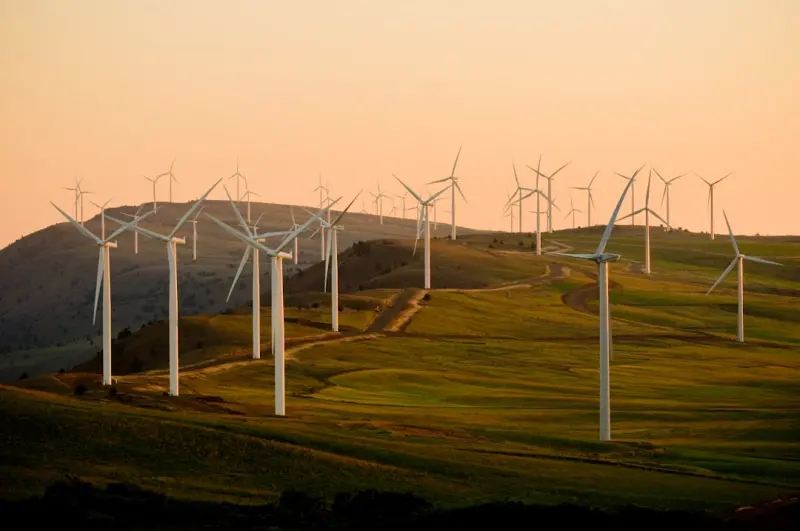
Wind is especially attractive on the vast, open prairies. In Saskatchewan, a 2‑megawatt turbine can generate enough electricity to run an entire grain‑handling operation, plus provide surplus for neighboring farms. Biogas, produced from manure and crop residues, not only supplies on‑site heat for barns but also creates a renewable natural gas that can be injected into the provincial gas grid.
Financial Incentives That Make the Math Work
Canada’s federal and provincial governments have rolled out a suite of incentives that dramatically improve the return on investment. The national broadband revolution is a perfect illustration of how policy can accelerate adoption—high‑speed internet enables remote monitoring, which in turn qualifies farms for smart‑grid rebates.
Key programs include:
- Canada‑Wide Renewable Energy Incentive (CWREI): Offers up to 30 % cost‑share for solar and wind installations on agricultural land.
- Provincial Agri‑Energy Grants: Tailored to each province’s climate, these grants fund biogas projects and storage solutions.
- Tax Credits for Carbon‑Neutral Equipment: Depreciation schedules are accelerated for renewable‑energy capital assets.
When these incentives are stacked, the payback period on a typical solar farm drops from 12 years to under 7, making it a financially sound decision even before accounting for the environmental benefits.
Case Study 1: Sun‑Powered Grain Storage in Alberta
John Patel’s 5,000‑acre grain farm in central Alberta faced soaring electricity rates for its grain dryer. In 2022 he installed a 500‑kilowatt solar array on the roof of his grain bins. The system now supplies 85 % of the dryer’s power needs during peak daylight hours. In winter, the farm draws from the grid, but the net annual savings exceed $150,000. Moreover, the farm’s carbon footprint has been cut by an estimated 2,200 tonnes of CO₂, earning it a spot in the province’s “Clean Farm” registry.
Case Study 2: Wind‑Enhanced Livestock Operations in Manitoba
Emma & Liam O’Shea run a mixed cattle‑and‑sheep operation that struggled with high diesel costs for heating barns during cold snaps. They partnered with a local wind‑energy cooperative to install two 1‑megawatt turbines on their 3,200‑acre ranch. The turbines generate enough electricity to run the barns, milking parlors, and irrigation pumps year‑round. The excess power is sold back to Manitoba Hydro, providing a steady revenue stream that offsets feed costs.
Case Study 3: Biogas from Manure in New Brunswick
A family‑run dairy in New Brunswick faced a mounting odor complaint from neighbors. By constructing an anaerobic digester, they turned 2,500 tons of manure per year into 1.2 MW of renewable natural gas. The gas fuels the farm’s boilers and also powers the milking line, eliminating the need for propane. The project qualified for the provincial “Clean Energy for Rural Communities” grant, covering 40 % of the capital expense.
Challenges Farmers Still Face
While the benefits are clear, adoption isn’t without hurdles:
- Upfront Capital: Even with incentives, the initial outlay can be daunting for smaller operations.
- Regulatory Complexity: Navigating permitting processes for turbines or large solar arrays can be time‑consuming.
- Technical Knowledge Gaps: Managing a micro‑grid requires a skill set that many traditional farmers haven’t cultivated.
Fortunately, collaborative models are emerging. Farmer cooperatives pool resources to purchase and maintain renewable assets, spreading risk and cost. Universities and agri‑tech startups are offering “energy as a service” platforms that handle installation, monitoring, and maintenance for a subscription fee.
Integrating Renewable Energy with Modern Farm Management
Renewable installations are no longer isolated pieces of equipment; they’re integral to the digital transformation of agriculture. Real‑time data from solar inverters, turbine controllers, and biogas meters feed into farm management software, allowing operators to optimize energy usage alongside irrigation schedules and livestock feeding cycles. This synergy is highlighted in the community, resilience, and tech for Canadian farmers article, which showcases how data‑driven decisions improve both yields and sustainability.
IoT sensors monitor weather patterns and adjust turbine blade angles or solar panel tilt automatically, maximizing generation. Meanwhile, AI‑enabled predictive models forecast energy production, enabling farmers to plan when to sell excess power back to the grid for the best price.
Policy Landscape: A Moving Target
Canada’s climate commitments are tightening, and the agricultural sector is under increasing pressure to reduce emissions. The federal government’s upcoming “Green Farm Act” proposes mandatory renewable‑energy benchmarks for farms over 1,000 acres. While some critics argue that mandates could be burdensome, many farmers view the legislation as an opportunity to secure additional funding and create a level playing field.
Provincial leaders are also stepping up. Ontario’s recent “Farm Power Initiative” offers low‑interest loans for solar and wind projects, while British Columbia’s “Clean Rural Energy Fund” specifically targets remote farms that lack reliable grid access.
The Future: Hybrid Energy Systems and Energy Storage
Hybrid systems that combine solar, wind, and biogas are gaining traction. By diversifying the energy mix, farms can smooth out the intermittency of any single source. Coupled with battery storage, a farm can store excess solar power during summer and release it during winter, ensuring a reliable supply year‑round.
Emerging technologies such as hydrogen electrolyzers, which convert surplus renewable electricity into green hydrogen, present a tantalizing possibility for powering heavy‑duty farm equipment without diesel. Early pilots in Quebec are already demonstrating the feasibility of hydrogen‑fueled tractors.
What This Means for the Next Generation of Farmers
Young Canadians entering agriculture are tech‑savvy, climate‑concerned, and eager to break away from the traditional dependence on external energy providers. By embracing renewable energy, they inherit farms that are not only more profitable but also resilient to the unpredictable swings of climate and market prices. This mindset aligns with broader trends toward food sovereignty and localised value chains.
Action Steps for Farmers Ready to Go Green
- Audit Your Energy Use: Identify the biggest electricity and heat consumers on your operation.
- Explore Incentives: Use government portals to map out federal, provincial, and municipal grants.
- Start Small: Pilot a solar array on a barn roof or a small wind turbine before scaling up.
- Partner Up: Join a local renewable‑energy cooperative or seek out agritech firms offering energy‑as‑a‑service.
- Integrate Data: Connect your renewable assets to farm management software for real‑time monitoring.
- Plan for Storage: Evaluate battery or biogas storage options to capture excess generation.
Conclusion: Powering Prosperity From the Ground Up
Renewable energy is rewriting the rulebook for Canadian agriculture. It’s not a fringe experiment; it’s a pragmatic, financially sound strategy that aligns climate stewardship with the bottom line. By turning fields, roofs, and manure into power sources, farmers are cultivating a new kind of wealth—one measured in kilowatt‑hours as well as bushels. The future of farming in Canada is bright, windy, and sustainably charged.

Related Posts

Beyond the Soil: Mental Resilience and Community Innovation for Canadian Farmers
Canadian farms are turning to community hubs, wellness‑focused tech, and diversified income stream... Read More
Harnessing Data: How Canadian Farmers Are Turning Numbers into Bounty
A deep dive into how data and digital tools are reshaping Canadian agriculture, from precision soil ... Read More
Regenerative Roots: Canadian Farmers Building Climate‑Resilient Futures
Canadian farmers are merging ancient Indigenous stewardship with cutting‑edge technology to create... Read More
Top Posts

How AI is Redefining the Way We Travel
AI is turning travel into a hyper‑personalized adventure by learning each traveler’s preferences, offering subscription‑based plans, and integrating VR ex...Read More

Fermentation, Microgreens, and Data‑Driven Shopping: A Fresh Playbook for Healthy Eating
A hands‑on guide that blends home fermentation, indoor microgreen gardening, and data‑informed grocery choices to help busy professionals build a resilient,...Read More

AI‑Generated Content and the Law: Liability, Ethics, and the Road Ahead
A deep dive into how AI‑generated legal content reshapes liability, ethics, and strategy, offering actionable guidance for firms to harness the technology whi...Read More

Urban Angling in Ontario: Finding the Best City Waterholes
I trade skyscraper views for riverbanks, revealing Ontario’s hidden city fishing gems, gear hacks, and eco‑friendly practices that let urban anglers reel in...Read More
0 Comments
Post Comment
You will need to Login or Register to comment on this post!