
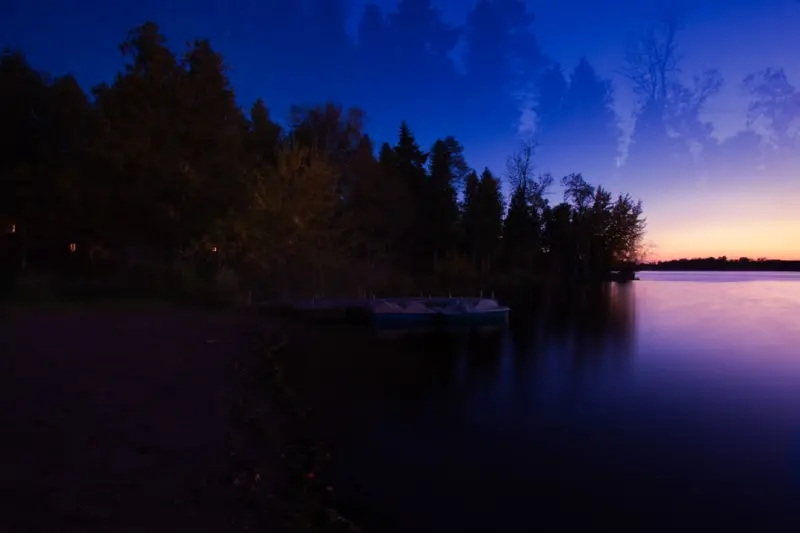
Why Ontario Fishing Is Changing
When I first cast a line on Lake Simcoe, the water was a mirror of predictable seasons; today, those seasons are in flux. Climate-driven shifts have nudged trout farther north and brought new species into familiar bays, forcing anglers to read the water like a weather forecast. I’ve learned to track water temperature data, migration reports, and even local bird activity to anticipate where the bite will be, turning each outing into a blend of science and tradition.
Nighttime Ice Fishing Adventures
Most anglers think of ice fishing as a midday ritual, but the real magic happens under a canopy of stars on Ontario’s lesser‑known lakes. There’s a quiet hush as the sun dips, and the ice glows faintly with reflected moonlight, creating an otherworldly stage for the bite. I now prefer the midnight hour on Lake St. Clair, where the combination of a low‑tech ice auger and a high‑tech sonar rig reveals hidden schools of walleye that surface only in the deep chill.
Sustainable Practices on the Water
Every cast carries responsibility, especially as invasive species like zebra mussels threaten native ecosystems. I practice catch‑and‑release with barbless hooks, and I’m meticulous about cleaning gear to avoid transporting unwanted organisms between lakes. When I encounter an invasive fish, I use a quick‑kill method and dispose of it responsibly, turning a potential problem into a contribution to the lake’s health.
Community‑Driven Fishery Maps
Our province’s anglers are now crowdsourcing real‑time data through a mobile app that plots hotspots, depth contours, and seasonal trends. This collaborative map feels like a living encyclopedia, constantly updated by fishermen who log their catches and observations. It’s a modern twist on the old “buddy system,” and it reminds me of the spirit behind exploring uncharted itineraries—discovering new paths together.
The Evolution of Local Gear
Ontario’s small towns now host boutique rod makers who blend carbon fiber with locally sourced birch, crafting equipment that feels like an extension of the water itself. I’ve swapped my generic reel for a handcrafted masterpiece from a shop in Peterborough, and the difference is palpable—lighter weight, smoother drag, and a story etched into every grain. Supporting these artisans keeps the fishing heritage alive while pushing the performance envelope.
From Hook to Plate: Culinary Connections
There’s a profound satisfaction in turning a freshly caught lake trout into a cedar‑planked dinner shared with friends on a dock at dusk. I follow a simple recipe: season with wild herbs, grill over pine embers, and finish with a splash of locally produced maple glaze. The flavors echo the lake’s clarity, and each bite becomes a reminder that sustainable harvests can feed both body and soul.
Teaching the Next Generation
My teenage son now joins me at dawn, notebook in hand, learning to read water temperature and identify spawning grounds. These moments teach more than technique; they embed a respect for the ecosystem and a sense of stewardship that will outlast any trophy. By involving families, we keep the tradition vibrant and ensure that future anglers inherit both skill and conscience.
Looking Ahead: Your Role in Ontario’s Fishing Future
Ontario’s waterways are a living laboratory, and each angler holds a key to its future. Whether you chase midnight bites on frozen lakes, contribute data to community maps, or champion sustainable gear, your actions ripple far beyond the shoreline. Join the conversation, share your stories, and let’s shape a fishing culture that honors both adventure and preservation.

Related Posts
Undiscovered Angling Hotspots Across Ontario’s Waters
A deep dive into Ontario’s quiet fishing locales, offering practical gear advice, seasonal insight... Read More
Ontario Fishing: A Personal Voyage Through Seasons and Secrets
Dive into Ontario's fishing world with personal stories, seasonal tips, hidden hotspots, gear advice... Read More
Ontario’s Hidden Waters: A Thoughtful Angler’s Journey Through Quiet Lakes and Rivers
Dive into Ontario’s hidden fishing gems, blending sustainable gear, tech, and Indigenous wisdom fo... Read More
Top Posts
Ontario Fishing Trends: Gear, Spots, and Community Insights
A deep dive into Ontario’s shifting fishing landscape, covering smart gear upgrades, emerging hotspots, community knowledge sharing, and seasonal adaptations ...Read More

Reimagining Prom and Graduation for the Digital Generation
A fresh look at prom and graduation shows how AI‑styled outfits, hybrid ceremonies, sustainable décor, and mental‑health support are redefining these miles...Read More

Reeling in Innovation: How Smart Gear Is Transforming Ontario Fishing
Smart technology is redefining Ontario angling, offering precision targeting, data‑driven learning, and enhanced safety while respecting the province’s deli...Read More

The Unseen Struggles of Rural Mental Health in Canada
The unseen struggles of rural mental health in Canada are a critical issue that requires our attention and action. Learn more about the challenges facing rural ...Read More
0 Comments
Post Comment
You will need to Login or Register to comment on this post!