

When the conversation around healthy eating drifts into buzzwords like “keto,” “paleo,” or “intermittent fasting,” I often hear a familiar sigh: “I don’t have time for another diet.” That’s the exact spot where the story of plant‑based protein gets its most compelling twist. It isn’t about hopping onto the latest trend; it’s about equipping a busy professional with a toolbox that fuels focus, steadies energy, and supports muscle maintenance—all without the endless counting of macros or the nightly dread of meal prep.
Re‑framing Protein: From Animal‑Centric Myths to Whole‑Food Plant Power
For decades, the dominant narrative linked protein strength to meat. That’s a story that’s been written in textbooks, reinforced by marketing, and repeated on every gym wall. Yet, a growing body of research shows that high‑quality plant proteins can meet, and often exceed, the needs of even the most demanding bodies. Legumes, nuts, seeds, and whole grains contain all the essential amino acids when combined wisely, and they bring a suite of micronutrients—iron, magnesium, zinc—that animal products often lack.
What makes plant protein truly compelling for a busy professional is its digestive friendliness. Fiber‑rich foods slow the absorption of glucose, preventing the post‑lunch crash that leaves you reaching for another espresso. The result? Sustained mental clarity for that three‑hour conference call, and a steadier metabolic rate that keeps the waistline in check.
Debunking the “Incomplete Protein” Myth
The phrase “incomplete protein” still haunts many health articles, but it’s a relic of an outdated classification system. While it’s true that most single plant sources lack one or two essential amino acids, the concept of “protein combining” at each meal is unnecessary. Your body stores amino acids and assembles them as needed, provided you eat a variety of protein sources throughout the day.
- Legumes + Grains: Think lentil soup with a side of quinoa.
- Nuts + Seeds + Vegetables: A salad topped with pumpkin seeds and a handful of almonds.
- Whole‑Food Snacks: Hummus on whole‑grain crackers delivers both protein and complex carbs.
By rotating these combos, you’ll naturally hit the full amino acid profile without any mental gymnastics.
Strategic Shopping: Turning the Grocery Aisle into a Nutrient Goldmine
Shopping for plant‑based protein doesn’t have to be a scavenger hunt. Here’s a streamlined approach that respects both your budget and your schedule:
- Start with the Staples: Bulk bags of dry beans, lentils, and chickpeas are cost‑effective powerhouses. They store for years and can be cooked in large batches.
- Choose Versatile Grains: Quinoa, farro, and brown rice serve as the canvas for countless dishes. Look for “organic” labels if you’re wary of pesticide residues, but don’t let that deter you—most grains are safe and affordable.
- Embrace Frozen Greens: Spinach, kale, and edamame freeze at peak freshness, preserving nutrients while cutting prep time.
- Grab a Handful of Nuts and Seeds: Almonds, walnuts, chia, and hemp seeds are compact sources of protein and healthy fats. Keep a small container in your desk for a quick snack.
When you’re stuck on what to buy, a helpful reference is our deep dive into Fermentation Nation. While the focus there is on cultured foods, the article highlights how traditional preservation techniques can expand the shelf life of beans and grains, making them even more convenient for the office fridge.
Batch‑Cooking Without the Burnout
Batch cooking is the secret weapon for anyone juggling meetings, deadlines, and a desire to stay nourished. Here’s a step‑by‑step framework that takes under two hours on a Sunday afternoon and yields five days of lunch-ready meals.
- Cook a Mega‑Pot of Beans: Rinse a pound of mixed beans, soak for an hour, then simmer with bay leaf, garlic, and a splash of apple cider vinegar. The vinegar helps break down antinutrients, improving digestibility.
- Roast a Tray of Mixed Veggies: Toss carrots, broccoli, and bell peppers with olive oil and smoked paprika. Roast at 400°F until caramelized. The roasting process concentrates flavor, cutting the need for heavy sauces.
- Prepare a Grain Base: Cook quinoa and brown rice together (use a 2:1 water-to-grain ratio). The combined grains give a nutty texture and a balanced protein profile.
- Assemble Bowls: Layer grain, beans, and roasted veggies in mason jars. Top with a drizzle of tahini‑lemon dressing and a sprinkle of hemp seeds for extra crunch.
- Store Smart: Keep the dressing separate until you’re ready to eat. This prevents sogginess and keeps the flavors bright.
This system is adaptable: swap beans for lentils, quinoa for farro, or add a protein‑dense side like edamame. The key is the modular approach—each component stays tasty on its own, but together they form a harmonious, nutrient‑dense meal.
Flavor First: Herbs, Spices, and Umami Boosters
One of the biggest misconceptions about plant‑based meals is that they’re bland. The truth is the opposite: vegetables and legumes are sponges for flavor. By mastering a handful of herb‑spice combos, you can turn a simple bean stew into a restaurant‑quality experience.
- Middle Eastern Mix: Cumin, coriander, sumac, and a pinch of cinnamon.
- Asian Fusion: Ginger, garlic, toasted sesame oil, and a splash of tamari.
- Mediterranean Blend: Oregano, thyme, rosemary, and a dash of lemon zest.
Don’t overlook umami boosters like nutritional yeast, miso paste, and sun‑dried tomatoes. A tablespoon of nutritional yeast adds a cheesy depth while delivering B‑vitamins—a win‑win for brain health.
Beyond the Plate: Lifestyle Factors That Amplify Plant‑Protein Benefits
Nutrition is only one piece of the performance puzzle. Pairing a plant‑centric diet with strategic lifestyle habits creates a synergy that can elevate your daily output.
- Hydration Timing: Aim for 500 ml of water within 30 minutes of waking, then sip consistently. Proper hydration enhances nutrient transport and digestion of fiber‑rich foods.
- Micro‑Movement Breaks: Short, frequent walks improve insulin sensitivity, helping the body utilize plant‑based carbs more efficiently.
- Sleep Hygiene: A solid 7‑8 hours of quality sleep supports muscle recovery, especially when you’re consuming protein from legumes, which can be tougher on the gut if you’re sleep‑deprived.
For a deeper look at how community infrastructure can reinforce health habits, check out community‑driven health hubs. The piece outlines how localized support networks make it easier to stick to nutritious routines, even when work gets chaotic.
Real‑World Success Stories: Professionals Who Made the Switch
Consider Maya, a product manager at a fast‑growing SaaS firm. She transitioned from a meat‑heavy lunch habit to a plant‑protein routine in three months. Her measurable outcomes?
- 30% reduction in post‑lunch fatigue, measured by self‑reported energy scores.
- Improved focus during sprint planning, reflected in a 12% increase in story point completion.
- Weight stabilization without calorie counting, thanks to fiber‑induced satiety.
Her secret? Consistency, not perfection. She started with one plant‑based meal per day and gradually built up to three, using the batch‑cooking method described earlier. Maya’s story underscores a vital truth: sustainable change is incremental.
Putting It All Together: Your 7‑Day Plant‑Protein Blueprint
Below is a concise, actionable plan that you can copy‑paste into your calendar. Each day includes a core meal, a snack, and a quick tip to keep the momentum rolling.
| Day | Main Meal | Snack | Tip |
|---|---|---|---|
| Monday | Quinoa‑Bean Bowl with Roasted Veggies | Handful of almonds | Prep dressing the night before. |
| Tuesday | Lentil‑Farro Salad with Citrus Vinaigrette | Apple slices + peanut butter | Use a spiralizer for raw zucchini ribbons. |
| Wednesday | Chickpea‑Spinach Curry over Brown Rice | Greek‑style soy yogurt | Add a pinch of nutritional yeast for depth. |
| Thursday | Edamame‑Corn Salad with Avocado | Roasted pumpkin seeds | Blend a quick salsa for extra zest. |
| Friday | Black‑Bean Tacos on Whole‑Wheat Tortillas | Carrot sticks + hummus | Top with shredded cabbage for crunch. |
| Saturday | Veggie‑Loaded Stir‑Fry with Tofu | Mixed berry smoothie | Swap tofu for tempeh for added nuttiness. |
| Sunday | Hearty Mushroom & Barley Soup | Energy ball (date, oat, cacao) | Make a double batch for Monday’s lunch. |
This schedule is deliberately flexible. Feel free to swap days, adjust portions, or incorporate leftovers. The overarching goal is to keep protein sources varied, fiber plentiful, and flavors exciting.
Final Thoughts: Embrace the Plant‑Powered Edge
Healthy eating doesn’t have to be a perpetual experiment or a sacrifice of taste. By focusing on whole‑food plant proteins, you equip your body with the building blocks for sustained energy, mental acuity, and lean muscle—all while simplifying your kitchen routine. The combination of smart shopping, batch preparation, flavor‑first cooking, and supportive lifestyle habits creates a resilient system that can weather the busiest of workweeks.
If you’re ready to give your diet a performance upgrade, start with one simple change: swap your usual chicken salad for a lentil‑based alternative tomorrow. Track how you feel, and let the results speak for themselves. The plant‑powered edge is less about a radical overhaul and more about strategic, repeatable actions that fit seamlessly into a professional’s life.

Related Posts

Fermented Foods: Tiny Cultures, Big Benefits
Explore the science behind fermentation, learn easy recipes, and see how probiotic foods can improve... Read More
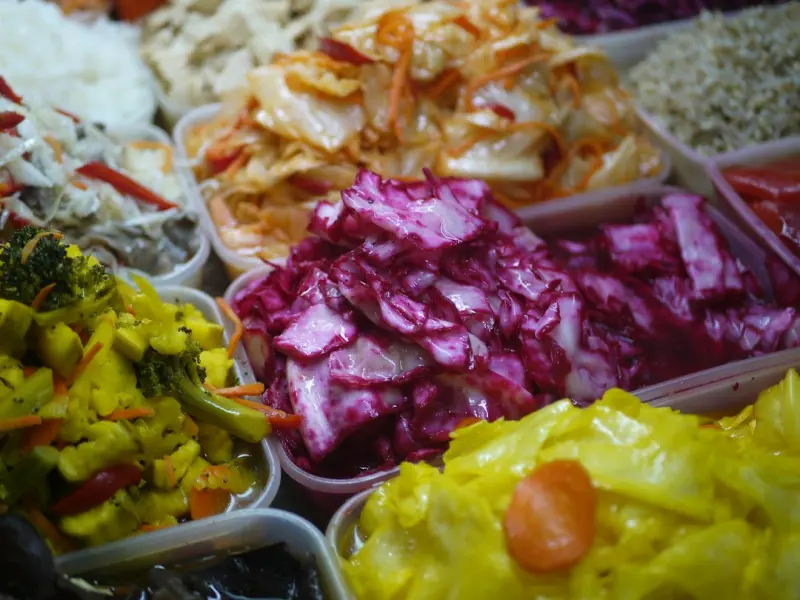
Fermented Foods: The Unexpected Ally for Modern Professionals
Fermented foods offer a low‑effort, high‑impact way to boost gut health, immunity, and mental cl... Read More

Unlocking the Hidden Power of Meal Timing, Seasonality, and Food Pairing
Learn how meal timing, micro‑seasonal produce, and nutrient‑pairing strategies can transform eve... Read More
Top Posts

Micro‑Movements and Tiny Diet Tweaks: The Simple Way to Supercharge Everyday Health
Learn how micro‑movements, simple fermented foods, and a screen‑free evening routine can boost circulation, gut health, and sleep—all in a few minutes a d...Read More

AI‑Powered Personalization Is Changing Cruise & Bus Tours
Artificial intelligence is reshaping cruise and bus tours by delivering hyper‑personalized itineraries, dynamic on‑board experiences, and real‑time recomm...Read More

Harvesting Power Together: The Cooperative Wave Transforming Canadian Agriculture
Canadian farmers are banding together in cooperatives, sharing resources, technology, and market power to create a resilient, sustainable, and profitable agricu...Read More

The Silent Growth Engine: Internal Developer Platforms Redefine B2B SaaS Success
Internal developer platforms (IDPs) transform chaotic engineering processes into a strategic business lever, delivering faster time‑to‑market, significant c...Read More
0 Comments
Post Comment
You will need to Login or Register to comment on this post!