
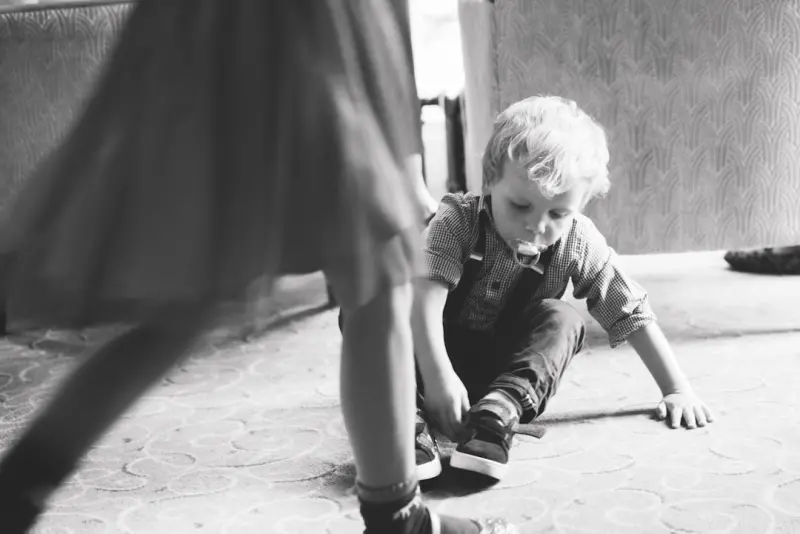
Why Playful Movement Is the Missing Piece in Modern Health
When I first stepped onto a dance floor at a friend’s birthday party, I realized I hadn’t felt my heart race from pure joy in years. The music pulsed, my feet moved instinctively, and a smile tugged at my lips without any agenda. That spontaneous burst of playful movement reminded me of a truth I’d been neglecting: our bodies are wired to thrive on fun, not just on regimented workouts or endless to‑do lists.
In a world where screens dominate, deadlines loom, and “productivity” is a badge of honor, we’ve unintentionally sidelined one of the most accessible health tools—play. This post is an invitation to rediscover the joy of moving without a timer, a plan, or a metric. Let’s explore how incorporating playful movement into everyday life can reshape physical health, mental resilience, and emotional well‑being.
The Science Behind Playful Motion
Researchers have long studied the physiological cascade triggered by genuine enjoyment. When we engage in activities that feel like play, the brain releases a cocktail of dopamine, serotonin, and endorphins. These neurotransmitters not only boost mood but also reduce cortisol, the hormone linked to chronic stress.
Moreover, spontaneous movement tends to be more varied than structured exercise. A study from the University of British Columbia showed that varied movement patterns improve proprioception—the body’s innate sense of position—leading to better balance and a lower risk of injury. This is especially valuable as we age, when maintaining coordination becomes crucial.
Playful motion also stimulates the lymphatic system, which relies on muscular contractions to circulate fluid and remove waste. The rhythmic, unpredictable nature of play (think jumping rope, twirling, or even a quick game of tag) encourages a broader range of muscle activation, enhancing this detox pathway.
From “Exercise” to “Play”—A Mindset Shift
Many of us approach fitness with a “must‑do” mentality: hit the gym, log miles, smash personal records. While goal‑oriented training has its place, it can quickly become a source of guilt when missed. Play, by contrast, removes the pressure. It’s an intrinsic motivator—something you do because it feels good in the moment.
Here are three mindset adjustments to make the transition smoother:
- Permission to be imperfect. Forget perfect form; focus on the feeling of movement.
- Embrace variety. Switch activities every week—dance, hula‑hooping, frisbee, or an impromptu hallway sprint.
- Prioritize pleasure. Choose activities that spark curiosity or laughter, not just those that burn calories.
When you let go of the “exercise” label, the activity becomes a source of anticipation rather than an obligation.
Everyday Play: Simple Practices to Get Started
Incorporating playful movement doesn’t require a gym membership or a scheduled class. Below are bite‑size ideas you can sprinkle throughout the day:
1. The “Micro‑Dance” Break
Set a timer for every 90 minutes. When it rings, stand up and dance for 60 seconds to your favorite song. No choreography needed—just sway, shimmy, or spin. The brief burst raises heart rate, releases tension, and recharges mental focus.
2. Walk‑And‑Talk Adventures
Next time you have a phone call, walk around your home or office instead of sitting. If you’re with a colleague, turn it into a “walk‑and‑talk” meeting. The added steps increase circulation, and the informal setting often sparks more creative conversations.
3. Playful Stretching Routines
Instead of static stretching, try “animal flow” moves—think crab walks, bear crawls, or frog jumps. These fluid motions engage multiple muscle groups and feel more like a game than a routine.
4. Incorporate Playful Props
Grab a jump rope, a hula hoop, or even a set of colored scarves. Props add novelty and invite spontaneous choreography. You’ll be surprised how quickly a simple piece of equipment can turn a hallway into a personal playground.
5. Community‑Based Play Sessions
Invite friends, family, or coworkers to a weekly “play hour.” It could be a backyard game of tag, a group yoga laugh‑session, or a collaborative urban foraging scavenger hunt that ends with a shared picnic. The social component amplifies the release of oxytocin, strengthening bonds while you move.
Playful Movement and Nutrition: A Symbiotic Relationship
Our bodies respond holistically—what we move, we also feed. When we approach food with a playful mindset, we’re more likely to experiment with textures, colors, and flavors, which can enhance gut health. For instance, exploring fresh herbs while dancing in the kitchen can lead to more adventurous meals that include prebiotic power foods. These foods nurture the microbiome, which in turn influences mood and energy levels, creating a virtuous cycle of well‑being.
Consider a “rainbow plate” challenge: each day, aim to include at least five different colored fruits or vegetables. Turn it into a game—score points for each unique hue and reward yourself with a non‑food treat (like a new playlist or a short nature walk).
The Emotional Payoff: Why Laughter and Movement Pair Perfectly
Laughter is a form of breath work. When we laugh, diaphragmatic breathing deepens, oxygenates the blood, and stimulates the vagus nerve—an essential pathway for parasympathetic (rest‑and‑digest) activation. Pairing laughter with movement multiplies the benefits. Think of a spontaneous laugh‑and‑twirl moment at a family gathering: you’re simultaneously activating cardiovascular, muscular, and neurochemical pathways that foster resilience.
Studies on “laughter yoga” show participants experience reduced blood pressure and improved immune markers after just a single session. Integrating playful movement amplifies these outcomes, as the body’s rhythm becomes both audible (through laughter) and kinetic (through motion).
Technology: A Friend, Not a Foe
While we often hear about the digital drain on health, technology can be a catalyst for playful movement. Apps that gamify activity—turning steps into quests or offering virtual dance battles—can re‑ignite the fun factor. However, the key is moderation and purpose: use tech to spark play, not to track it obsessively.
For example, a smart speaker can cue a “30‑second burst” playlist, prompting you to hop, spin, or stretch each time you hear a chime. Or a wearable can vibrate gently when you’ve been seated too long, encouraging a quick “chair‑shake” or a mini‑dance.
Workplace Wellness: Redesigning Office Culture
Many Canadian companies are already experimenting with “movement minutes” and standing desks, but few have embraced the playful aspect. Imagine a meeting that starts with a two‑minute “shake‑your‑arms” icebreaker, or a breakroom equipped with a mini‑ball pit for stress‑relief sprints. These small interventions can boost morale, reduce burnout, and even improve collaborative problem‑solving.
Companies that invest in playful environments often see a ripple effect: employees carry that lightness into client interactions, leading to more memorable experiences. In fact, a study on hospitality firms found that staff who engaged in brief, joyful movement were more likely to create memorable restaurant experiences for guests.
Adapting Playful Movement for Different Life Stages
Kids and Teens: Encourage unstructured play—climbing trees, tag, or impromptu dance parties. The habit of moving for joy sets a lifelong foundation.
Young Adults: Blend social activities with movement—join a park volleyball league, take a weekend hike, or host a “dance‑off” at a house gathering.
Mid‑Life Adults: Use playful movement as a stress outlet. Try a “laugh‑and‑stretch” session after work, or schedule a “play date” with a friend that involves a low‑impact sport like paddleboarding.
Seniors: Focus on low‑impact, balance‑enhancing play—chair dancing, gentle tai chi with a playful twist, or a guided “memory walk” that incorporates storytelling.
Overcoming Common Barriers
Even with enthusiasm, obstacles appear:
- Lack of Time: Remember, play can be micro‑moments. Even 30 seconds of spontaneous movement yields benefits.
- Self‑Consciousness: Start in private spaces—your living room or office hallway—until confidence builds.
- Physical Limitations: Adapt activities to your abilities. Seated dance, arm circles, or gentle foot taps are all valid forms of playful movement.
The goal isn’t perfection; it’s progress and pleasure.
Measuring the Impact—Beyond the Scale
Traditional health metrics focus on weight, heart rate, or step count. When you prioritize playful movement, consider these qualitative indicators:
- Increased spontaneous laughter throughout the day.
- Higher energy levels after a workday.
- Improved mood and reduced anxiety without medication.
- Enhanced creativity and problem‑solving at work.
- Strengthened relationships from shared playful experiences.
Tracking these aspects can be as simple as a nightly journal entry noting “Moments of joy” and “How I felt after moving.” Over weeks, patterns emerge, showing how play is reshaping your health narrative.
Taking the First Step: Your Playful Movement Challenge
Ready to weave more fun into your daily routine? Here’s a 7‑day challenge to kick‑start the habit:
- Day 1 – Music Burst: Play a favorite song and dance for the entire track.
- Day 2 – Walk‑Talk: Take a call while pacing around your home.
- Day 3 – Prop Play: Use a scarf to create flowing movements for 5 minutes.
- Day 4 – Community Invite: Organize a 15‑minute “play break” with a colleague.
- Day 5 – Kitchen Boogie: Cook a meal while moving to the rhythm of your favorite playlist.
- Day 6 – Laughter Stretch: Combine a funny video clip with a full‑body stretch.
- Day 7 – Reflect & Celebrate: Write down three positive changes you noticed and reward yourself with a non‑food treat.
After the week, assess how you feel—physically, mentally, and emotionally. Most people report a noticeable lift in mood and a reduction in tension.
Conclusion: Reclaiming Joy as a Health Strategy
Playful movement isn’t a trendy buzzword; it’s a fundamental human need that modern life has quietly pushed aside. By re‑introducing spontaneous, joy‑driven motion into our routines, we tap into a powerful, holistic health tool that supports the body, mind, and spirit.
So, the next time you feel the urge to tap your foot, sway to a beat, or simply skip across the kitchen, give yourself permission. Let the rhythm guide you, and watch how your health transforms—one playful step at a time.

Related Posts
When Your Wristwatch Becomes a Personal Health Coach
Wearables have evolved from simple step counters to active health coaches that, alongside smart home... Read More

Navigating Healthcare in Ontario Without a Family Doctor: Options and Resources
Finding a family doctor in Ontario can feel like a daunting task. Recent reports from the Ontario Co... Read More

The Connection Between Rural Mental Health and Canadian Cuisine
The connection between rural mental health and Canadian cuisine is complex and multifaceted. Learn h... Read More
Top Posts

Fermenting the Future: How Home Brewers Are Redefining Flavor
Discover how home fermentation turns everyday ingredients into flavorful, probiotic‑rich creations, fostering community, sustainability, and a new culinary fr...Read More

ATV Accidents: Are You Liable For Damages in Ontario?
In Ontario, enjoying the outdoors often involves recreational vehicles like ATVs. However, with the thrill of off-roading comes the responsibility to ensure saf...Read More

Cutting Costs Without Cutting Corners: My Top Tips for Saving Money in Canada
Save money in Canada with these simple and effective tips from Ryan Paterson. Learn how to stretch your dollar and achieve financial stability without sacrifici...Read More

When Your DNA Calls the Kitchen: The Rise of Nutritional Genomics
Nutritional genomics is turning our DNA into a personalized recipe card. This article dives into the science, real‑world impact, ethical considerations, and p...Read More
0 Comments
Post Comment
You will need to Login or Register to comment on this post!