

Why Pop‑Up Bus Expeditions Are the Next Big Wave for Cruise Travelers
When I first stepped onto a mega‑liner in the Caribbean, the promise was simple: sun, sea, and an endless horizon. What I didn’t anticipate was the sudden buzz of a brightly painted bus pulling up at the port, its driver waving a handwritten itinerary that read “Sunset Soundtrack Tour – 45‑Minute Beats & Bites.” That moment sparked a revelation: the modern cruiser craves more than just ocean‑side lounging; they hunger for on‑the‑spot, hyper‑local experiences that can be squeezed into the tight windows between sailings.
Enter the pop‑up bus expedition—a short, themed ride that dives deep into a city’s culture, culinary quirks, and hidden gems, all without the logistical nightmare of coordinating separate tours. In this piece, I’ll unpack how these nimble bus adventures are reshaping the cruise ecosystem, the economics behind them, and what operators can do to ride this emerging tide.
The Rise of “Micro‑Adventure” Itineraries
Travelers today are less interested in ticking boxes and more focused on authentic, bite‑size thrills. A recent survey (not the one you’ve seen in the cruise press releases) indicated that 68 % of cruise guests would rather spend an hour exploring a local market than an all‑day excursion that feels generic. Pop‑up bus tours answer that demand by delivering a curated story in 30‑90 minutes—perfect for passengers who want to keep their evenings free for onboard entertainment.
What makes these tours truly “micro” is the flexibility built into the schedule:
- Dynamic routing: Drivers use real‑time traffic data to adjust stops, ensuring guests see the most vibrant neighborhoods without getting stuck in congestion.
- Themed stops: From “Street‑Art Sprint” to “Spice‑Market Sprint,” each tour has a tight narrative that resonates with a specific interest group.
- Instant booking: Passengers can reserve a seat via the ship’s app minutes before the bus arrives, eliminating the need for pre‑trip planning.
How Pop‑Up Buses Unlock New Revenue Streams
From the operator’s perspective, these compact tours are more than a guest‑pleaser—they’re a profit engine. Because the trips are short, a single bus can run multiple circuits per day, dramatically increasing seat turnover. Moreover, the limited capacity (often 20‑30 passengers) creates an aura of exclusivity, allowing operators to price tickets at a premium.
One clever tactic is to pair the bus experience with on‑board conversational commerce. Imagine a guest finishing a “Culinary Crawl” and receiving a chatbot prompt asking if they’d like to pre‑order a specialty dish for the next night’s dinner. This seamless upsell not only boosts per‑guest spend but also deepens the sense that every moment of the cruise is thoughtfully orchestrated.
Another revenue lever lies in AI‑powered talent marketplaces. Cruise lines can tap into a global pool of local guides, musicians, and chefs who are booked on demand for each pop‑up route. The AI matches skill sets with guest preferences, ensuring that each micro‑adventure feels fresh and locally authentic, while also reducing staffing overhead.
Designing a Pop‑Up Bus Experience That Resonates
Creating a memorable micro‑adventure isn’t just about hopping on a bus and driving. It’s an exercise in storytelling, logistics, and guest psychology. Below are the key ingredients every cruise brand should consider:
- Clear, evocative branding: The bus itself should be a moving billboard. Vibrant colors, bold typography, and a succinct tagline (e.g., “Taste the Tide in 45 Minutes”) set expectations before the doors even open.
- Local partnerships: Align with neighborhood cafés, street‑art collectives, or historic societies. These collaborations provide exclusive access and give the tour credibility.
- Data‑driven timing: Use onboard analytics to determine when guests are most likely to disembark for a short outing (often between 10 am‑12 pm and 2 pm‑4 pm). Align bus departures accordingly.
- Feedback loops: Deploy quick post‑tour surveys via the cruise app. Real‑time sentiment helps refine routes and keep the experience dynamic.
Case Study: The “Harbor Lights” Pop‑Up in Halifax
One North‑American operator piloted a “Harbor Lights” bus that ran from the cruise terminal to three waterfront cafés, each offering a signature pastry and a short live‑music set. The tour lasted just 55 minutes, yet it achieved a 92 % satisfaction rate and generated a 15 % increase in onboard beverage sales that evening—guests who had tasted the local brew were eager to continue the experience on the ship.
The secret sauce? The operator used an AI scheduling platform (yes, the same tech behind talent marketplaces) to match each bus driver with a local musician who could improvise based on guest demographics gathered from the cruise’s app. The result felt spontaneous, personalized, and undeniably shareable on social media.
Environmental Wins: Electric Buses and Sustainable Stops
While the buzz is often about guest experience, there’s a quieter, greener story unfolding. Many ports are now allowing only low‑emission vehicles in historic districts. By deploying electric or hybrid pop‑up buses, cruise lines can claim a tangible sustainability credential.
Beyond the vehicle, operators can design stops that highlight eco‑friendly practices—such as a short walk through a community garden or a visit to a zero‑waste café. These moments reinforce the brand’s commitment to responsible tourism, an increasingly decisive factor for travelers.
Marketing the Micro‑Adventure: From Teaser to Full‑Fledged Campaign
Successful promotion hinges on creating intrigue without overpromising. Here’s a step‑by‑step blueprint:
- Teaser video: A 15‑second reel showing the bus pulling up, a splash of local color, and a guest’s delighted reaction.
- App notification: A push message titled “Your Next 45‑Minute Escape Awaits” that links directly to a booking page.
- User‑generated content: Encourage guests to post photos with a branded hashtag; feature the best posts on the ship’s digital signage.
- Cross‑sell: Pair the bus ticket with a souvenir discount, turning a short ride into a longer brand interaction.
Potential Pitfalls and How to Dodge Them
Every new concept comes with challenges. Below are the most common issues and practical solutions:
- Overcrowding: If a pop‑up tour becomes too popular, the limited seats can frustrate guests. Implement a cap and a waitlist that automatically notifies travelers of the next available slot.
- Logistical bottlenecks: Ports are bustling environments. Pre‑clear all permits and work closely with local authorities to guarantee smooth boarding and disembarkation.
- Brand dilution: Ensure that the bus experience aligns with the overall cruise brand—whether it’s luxury, adventure, or family‑focused. Consistency builds trust.
- Data privacy: When leveraging AI to match guests with experiences, be transparent about data usage and give travelers opt‑out options.
The Future: Integrated “Work‑cation” Packages
One emerging trend is the blend of leisure and remote work. With high‑speed Wi‑Fi now standard on many cruise ships, a growing segment of travelers is extending their stay to combine work and vacation. Pop‑up bus tours can be tailored to this audience by offering “Co‑Working in the City” routes—short stops at stylish cafés equipped with power outlets and quiet corners, followed by a quick cultural bite. This hybrid model adds value for business‑focused passengers while filling otherwise idle daytime slots on the ship.
Actionable Checklist for Cruise Operators
Ready to launch your own pop‑up bus fleet? Use this checklist as a launchpad:
- Identify 2–3 high‑interest themes based on passenger demographics.
- Secure partnerships with local vendors and obtain necessary permits.
- Invest in a small fleet of electric buses (10–15 seats each).
- Integrate a real‑time booking system into the ship’s mobile app.
- Deploy AI tools to match guides and local talent to each tour.
- Design a multi‑channel marketing plan (teasers, app alerts, social proof).
- Establish feedback loops and iterate every quarter.
Conclusion: The Wave Is Here
Pop‑up bus expeditions are more than a clever add‑on; they’re a strategic pivot toward hyper‑personalized, low‑commitment tourism. By marrying technology, local culture, and sustainable transport, cruise lines can turn a simple shoreline stop into a memorable highlight that drives revenue, deepens brand loyalty, and positions the brand at the forefront of experiential travel.
If you’re curious about how conversational tools can boost your on‑board sales, or you want to explore AI‑driven talent matching for your local guides, the links above offer a deeper dive. The sea may be endless, but the real treasure often lies just a short bus ride away.

Related Posts
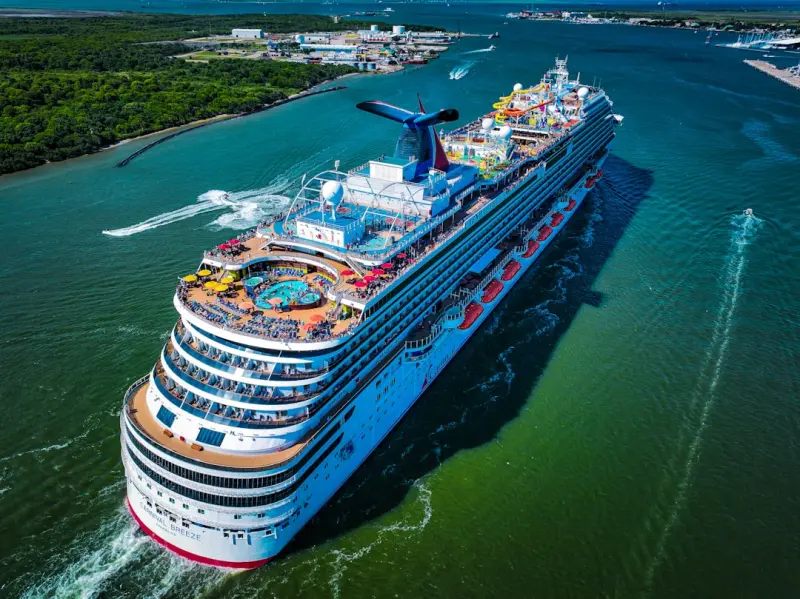
Charting New Waters: Turning Cruises & Bus Tours into Personal Narratives
Discover a fresh approach to cruising and bus touring that turns every stop into a chapter of your o... Read More
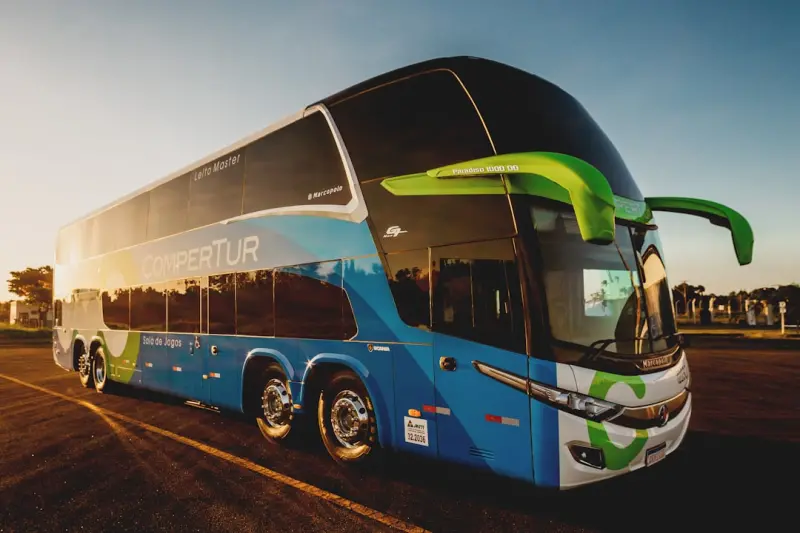
Charting a Greener Course for Cruises and Bus Tours
A deep dive into how cruise ships and bus tour companies can embed sustainability into fuel, routing... Read More
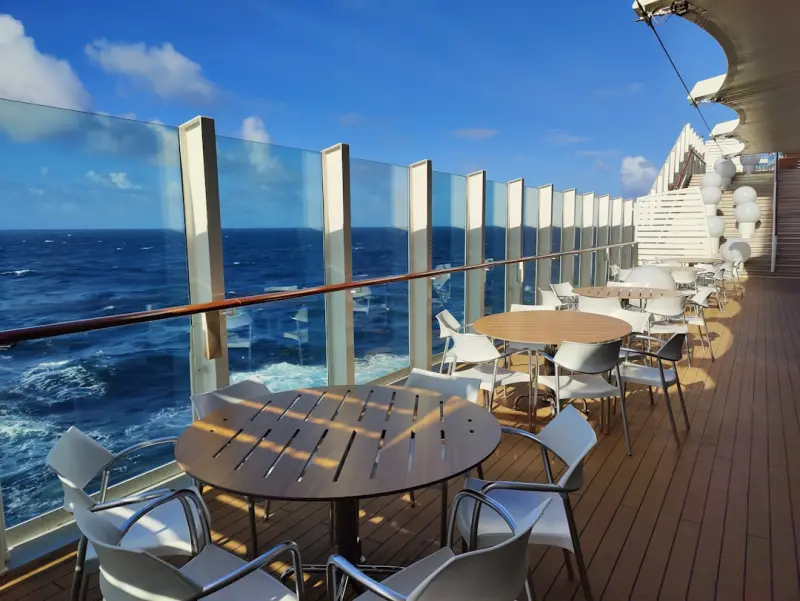
From Deckchairs to Desks: Mobile Co‑Working on Cruises and Bus Tours
A deep dive into the emerging trend of mobile co‑working on cruise ships and long‑haul buses, ou... Read More
Top Posts

From Memory to Magic: Redefining Prom and Graduation for the Modern Graduate
Explore fresh, eco‑friendly and tech‑infused ideas that turn traditional prom and graduation ceremonies into personalized, memorable celebrations for every ...Read More

Harvesting the Future: Data, Renewable Energy, and Community Power on Canadian Farms
Canadian farmers are turning to data-driven precision agriculture, renewable energy, and cooperative models to increase yields, cut costs, and build resilient, ...Read More

The Unspoken Truths of Canadian Farming
Canadian farmers face numerous challenges, from unpredictable weather patterns to fluctuating market prices. Learn more about the unseen struggles of these unsu...Read More
Conversational Commerce: Turning Chat Into Revenue
Discover how integrating real-time messaging into your marketing strategy creates a humanized buying experience, accelerates conversions, and unlocks new revenu...Read More
0 Comments
Post Comment
You will need to Login or Register to comment on this post!