

Winter evenings in a Canadian home used to be a ritual of layering blankets, cranking the furnace, and hoping the power bill wouldn’t explode. Today, a quiet revolution is humming through our roofs, basements, and even balconies. Homeowners across the country are swapping old‑school heat for clean, efficient technology that not only trims costs but also brightens the collective climate picture. If you’ve ever wondered how to keep the house warm while keeping the planet cool, welcome to the new era of Canadian home energy.
Why Canada Is Ready for a Home Energy Overhaul
From the boreal forests of Ontario to the coastal cliffs of British Columbia, Canada’s climate challenges are as varied as its landscapes. The cold snap that drives a furnace’s demand also creates a perfect storm of incentives, innovation, and community spirit. Federal and provincial programs now offer rebates for solar installations, heat‑pump upgrades, and battery storage. Meanwhile, manufacturers are engineering panels that generate power even when snow blankets the roof, and heat‑pump models that thrive in sub‑zero temperatures.
But the story isn’t just about dollars and gadgets; it’s about a cultural shift. Canadians have always taken pride in a “can‑do” attitude toward the elements. That same grit now fuels a willingness to experiment with renewable tech, turning homes into mini power stations that feed back into the grid.
Solar Panels: Not Just for Summer
For years, the prevailing myth was that solar panels are useless in Canada’s winter. The reality is far more nuanced. Modern photovoltaic (PV) cells perform better at lower temperatures, and new anti‑snow coatings allow panels to shed snow quickly. In addition, micro‑inverters optimize output for each panel, ensuring that even partially shaded sections keep generating electricity.
Take the town of Lethbridge, Alberta, where a community‑scale project installed 2,000 kW of rooftop solar on municipal buildings. The initiative cut municipal electricity use by 30 % and fed surplus power into the local utility. Homeowners can replicate this on a smaller scale: a 5 kW residential system can offset roughly 60 % of a typical Canadian household’s electricity consumption, even with a snowy winter.
When you pair solar with a front porch renaissance mindset—thinking of your home as a community asset rather than a private silo—the benefits multiply. Shared solar arrays on condo rooftops or co‑ops can spread costs and provide power to residents who lack suitable roof space.
Heat Pumps: The Furnace’s Cool Cousin
Heat pumps have long been the poster child of European energy policy, but they’re now taking the Canadian market by storm. Unlike traditional furnaces that burn natural gas, an air‑source heat pump moves heat from the outdoors into your home. Even at –20 °C, modern units can achieve a coefficient of performance (COP) of 2.5, meaning they deliver 2.5 kW of heat for every 1 kW of electricity consumed.
Ground‑source (geothermal) heat pumps, while pricier to install, offer even higher efficiencies because the earth’s temperature stays relatively constant year‑round. Many provinces provide up to 30 % of installation costs back through rebates, making the payback period as short as five years for an average family home.
Beyond the obvious savings, heat pumps integrate seamlessly with renewable electricity. Imagine a home that runs on solar power during the day and uses that same clean energy to heat the house at night. The synergy cuts reliance on fossil fuels and reduces your carbon footprint dramatically.
Microgrids and Shared Energy Communities
One of the most exciting developments is the rise of neighborhood microgrids. These are localized energy networks that can operate independently of the main grid, balancing generation, storage, and consumption among members. In Prince Edward Island, a pilot program connected 150 homes via a solar‑plus‑battery microgrid, allowing residents to share excess power and keep lights on during outages.
Microgrids democratize energy. They empower renters, condo dwellers, and remote cottage owners who might otherwise be locked out of the renewable transition. By pooling resources, participants can afford larger battery banks, reducing the need for each household to invest in an expensive storage system.
Community‑driven energy projects also foster social cohesion. Neighbors coordinate on usage patterns, host workshops on energy efficiency, and celebrate milestones—much like the backyard birdwatching revival that has turned quiet suburbs into lively ecosystems.
Powering Winter Hobbies and Home Comforts
Winter in Canada isn’t just about staying warm; it’s about embracing the season. From home‑grown indoor herb gardens to high‑tech saunas, renewable energy now powers the activities that make the cold months enjoyable.
- Indoor Gardening: LED grow lights run off solar‑generated electricity, allowing you to cultivate fresh herbs and leafy greens even when the outside world is a frozen tundra.
- Home Saunas: Electric sauna heaters paired with heat‑pump systems draw minimal power, turning a weekend ritual into a low‑impact indulgence.
- Winter Sports: Outdoor ice‑rinks and heated driveways can be powered by stored solar energy, reducing the need for diesel generators.
By aligning your favorite winter pursuits with clean power, you close the loop between lifestyle and sustainability.
Practical Steps for the Everyday Canadian Homeowner
Ready to dive in? Here’s a roadmap to make your home part of the clean‑energy wave:
- Energy Audit: Start with a professional assessment to pinpoint inefficiencies—insulation gaps, outdated windows, and phantom loads.
- Set Priorities: Decide whether solar, heat pumps, or both align best with your budget and climate. In colder regions, a heat pump paired with solar is often the most cost‑effective combo.
- Research Incentives: Federal Canada Greener Homes Grant, provincial rebates, and utility‑specific programs can cover up to 30 % of costs. Keep receipts for tax credits.
- Select Certified Installers: Look for companies with a proven track record and certifications (e.g., NABCEP for solar, ENERGY STAR for heat pumps).
- Financing Options: Many banks now offer green loans with lower interest rates. Some utilities also provide “pay‑as‑you‑save” plans where repayment is tied to energy bill reductions.
- Plan for Storage: Even a modest 10 kWh battery can store daytime solar surplus for night‑time heating or electric vehicle charging.
- Monitor and Optimize: Smart energy management systems provide real‑time data, enabling you to shift loads to off‑peak hours and maximize self‑consumption.
The Future: Vehicle‑to‑Grid and Beyond
Electric vehicles (EVs) are becoming as common as pickup trucks on Canadian roads. The next frontier is using those batteries as part of the home energy ecosystem. Vehicle‑to‑grid (V2G) technology lets you discharge your car’s battery back into the house during peak demand or power outages, effectively turning your EV into a massive, mobile storage unit.
Coupled with smart thermostats and AI‑driven demand response, a fully integrated system could anticipate weather patterns, adjust heating in advance, and even sell excess power back to the grid during high‑price periods. This level of integration is no longer a distant dream; pilot projects in Ontario and Quebec are already testing the concept.
Conclusion: A Warm, Bright Future Awaits
Canada’s relationship with energy has always been a story of adaptation—first to the harsh winters, then to the oil boom, and now to a climate‑conscious future. By embracing solar panels that work in snow, heat pumps that thrive in the freeze, and community microgrids that share power like neighbors sharing a pot of soup, we’re redefining what it means to live comfortably at northern latitudes.
Every rooftop, every basement, and every backyard becomes a potential power source. The shift isn’t just technical; it’s cultural. It’s about turning homes into assets for the planet and the community—much like the front porch renaissance turned porches into climate‑friendly gathering spots, and the birdwatching revival reminded us that small actions ripple outward.
So the next time you glance at the snow‑covered roof, imagine the silent currents of electrons being harvested, stored, and sent back to keep your home cozy. Canada’s winters are still cold, but our homes are getting smarter, greener, and more resilient—one kilowatt at a time.

Related Posts

Cottage Culture Reboot: How Canadians are Redefining Their Weekend Havens
The cottage is undergoing a renaissance, transforming from a seasonal escape into a year‑round hub... Read More
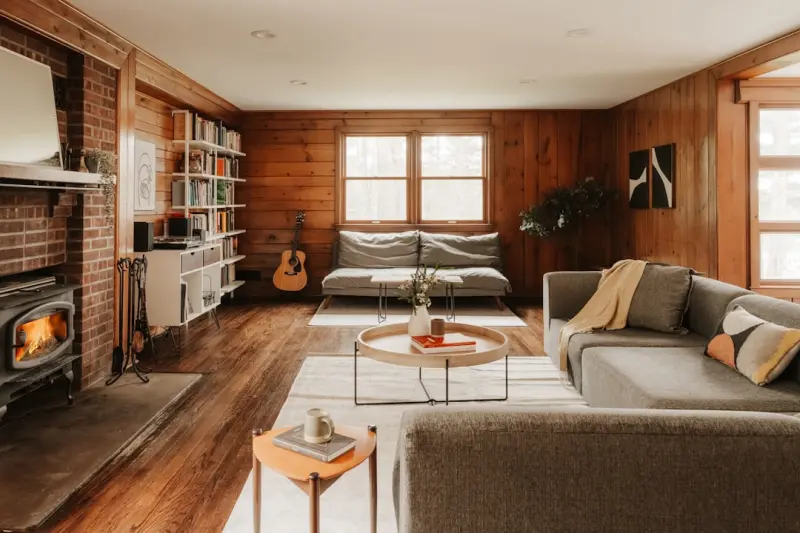
The New Wave of Canadian Cottage Living: Tradition Meets Tech
Discover how Canada’s cherished cottage culture is evolving with micro‑renewables, smart‑home ... Read More
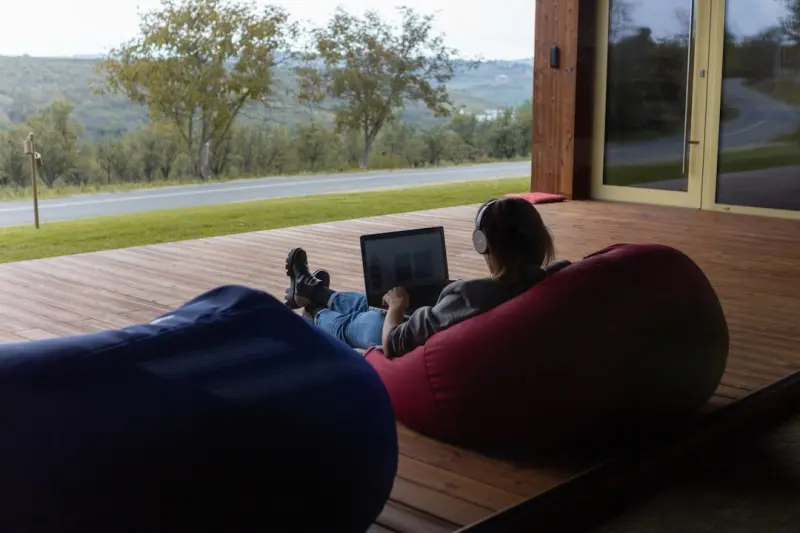
Cottage Comeback: Remote Work Revives Canadian Seasonal Living
Remote work is reshaping Canadian living, turning traditional summer cottages into permanent, eco‑... Read More
Top Posts

Human‑Centric Contracts: How Legal Design Is Reshaping SaaS Agreements
Legal design turns traditional SaaS contracts into transparent, visual agreements that align with modern product development, lowering risk and fostering strong...Read More

Undiscovered Angling Hotspots Across Ontario’s Waters
A deep dive into Ontario’s quiet fishing locales, offering practical gear advice, seasonal insights, and stories that connect anglers with the province’s ri...Read More

A New Wave of Community‑Driven Mental Health Care in Canada
Canada’s mental health system is evolving as local groups, tech innovators, and Indigenous leaders collaborate to create accessible, culturally resonant care,...Read More

Micro‑Movement Moments: Tiny Bursts of Activity That Are Redefining Urban Wellness
Micro‑movement moments—brief, intentional bursts of activity—offer a practical, low‑cost way to counter sedentary habits, improve circulation, elevate m...Read More
0 Comments
Post Comment
You will need to Login or Register to comment on this post!