
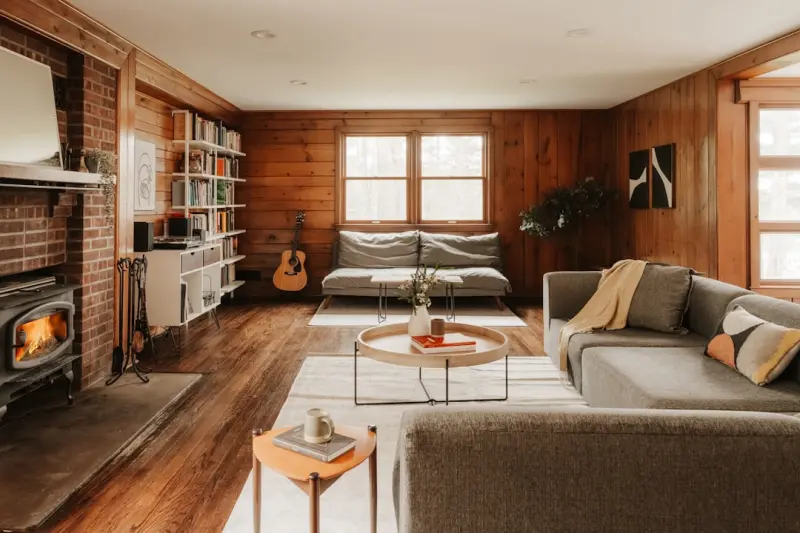
Redefining the Canadian Cottage: How Tradition and Technology Are Co‑Creating the Next‑Gen Retreat
There’s something undeniably magical about a Canadian cottage. It’s the scent of pine that greets you at the dock, the way the lake mirrors the sky at sunrise, and that comforting feeling of stepping out of the city’s rush into a slower, more tactile world. I’ve spent countless weekends tucked into a modest lake‑front cabin in Muskoka, swapping stories with fellow cabin‑goers, and watching how our beloved “cottage culture” has quietly evolved. What once was a rustic escape is now morphing into a sophisticated, tech‑savvy sanctuary—without losing its soul.
In this piece, I’ll walk you through the four most compelling shifts reshaping cottage life across Canada, from renewable micro‑energy solutions to smart‑home comforts, and how they’re allowing us to preserve the heritage of these spaces while embracing the conveniences of modern living.
1. Micro‑Renewables Powering Off‑Grid Comfort
For generations, cottages were synonymous with “off‑grid” living—generators humming in the background, propane stoves, and a reliance on wood‑burning heat. Today, a new generation of owners is opting for greener, quieter power sources. Small‑scale solar panels, wind turbines designed for low‑wind environments, and even portable hydro kits are becoming staples on lakefront properties.
What’s fascinating is how these systems are no longer “add‑ons” but integral parts of the design. A sleek solar canopy can double as a shaded patio, while a compact wind turbine blends into the roofline, maintaining the cottage’s aesthetic. The result? A reliable energy supply that reduces reliance on noisy generators and cuts fuel costs dramatically.
Canada’s vast geography provides ample opportunities for these micro‑renewables. In the Rockies, for example, owners are harnessing wind currents that flow through mountain passes. In the Maritimes, solar panels are optimized for the longer daylight hours of summer, ensuring that every ray of sun is captured.
2. Smart‑Cottage Essentials: Connectivity Without Compromise
There’s a lingering myth that “cottage life” means disconnecting from the digital world. While the peace of a screen‑free evening by the fire remains priceless, modern cottage owners are demanding reliable Wi‑Fi for remote work, streaming, and staying in touch with family. The solution lies in intelligent connectivity.
Satellite internet providers now offer high‑speed plans tailored for remote properties, and mesh‑router systems can blanket even the largest cabins with consistent signal strength. But the real game‑changer is the emergence of AI‑Powered Flavor Pairing technologies that integrate with smart kitchen appliances. Imagine a countertop device that suggests a dinner menu based on the fresh fish you just caught, then syncs with your smart oven to set the perfect temperature. It’s culinary magic that feels like a seamless extension of the cottage experience.
Beyond the kitchen, smart thermostats learn your heating preferences, adjusting the radiant floor heating to keep you warm on those crisp Ontario mornings while conserving energy when the house is empty. Voice‑activated assistants now come in rugged, water‑resistant designs—ideal for the damp environment of a lakeside porch.
3. Reviving Handcrafted Heritage Through Modern Makerspaces
One of my favorite cottage rituals is the weekend woodworking project—whether it’s a handcrafted canoe paddle or a reclaimed‑wood coffee table. The resurgence of local makerspaces is breathing new life into these traditions. Community workshops equipped with CNC routers, 3‑axis laser cutters, and traditional hand tools enable cottage owners to design and fabricate bespoke pieces without needing a full workshop of their own.
These hubs aren’t just about tools; they’re about knowledge exchange. Senior artisans share time‑tested techniques, while younger makers introduce digital design tools, creating a vibrant intergenerational dialogue. The result is a new wave of cottage furniture that marries the warmth of hand‑crafted wood with the precision of modern fabrication.
Take the example of a recent collaboration in Nova Scotia where a group of locals used reclaimed ship timber to create a line of modular shelving units. These pieces were designed in a digital CAD platform, then cut with a CNC machine for perfect fit, and finally finished by hand using traditional sanding and oiling methods. The final product honored the province’s maritime heritage while embracing contemporary design aesthetics.
4. Sustainable Lifestyle Choices That Don’t Feel Sacrificial
Living sustainably has never been more mainstream, yet many still associate it with sacrifice—giving up comforts, enduring inconvenience, or compromising on style. Cottage owners, however, are proving that eco‑friendly living can be both effortless and elegant.
First, there’s the rise of zero‑waste kitchen practices. Composting bins, biodegradable dishware, and bulk‑refill stations for pantry staples are now common in cottage kitchens. A smart composting system can even track the decomposition rate of your organic waste, giving you data on how much methane you’re preventing from entering the atmosphere.
Second, water stewardship is gaining prominence. Rainwater harvesting systems, combined with low‑flow fixtures, ensure that cottages maintain a minimal environmental footprint. Some owners have installed grey‑water recycling loops that divert sink water to irrigate garden beds, creating a closed‑loop system that nurtures native plants and reduces the need for municipal water.
Lastly, many cottage communities are forming co‑ops to source locally produced goods—think fresh eggs from nearby farms, artisan cheeses, and handcrafted soaps. By pooling resources, they secure bulk discounts while supporting regional producers, reinforcing the sense of community that makes cottage life so rewarding.
Integrating Tradition and Innovation: A Personal Reflection
When I first fell in love with cottage living, my idea of a perfect retreat was a simple log cabin, a wood‑burning stove, and a canoe gliding across a glassy lake. Over the years, I’ve watched my own cottage transform—solar panels quietly perched on the roof, a Wi‑Fi hotspot humming from a weather‑proof router, and a sleek, voice‑controlled espresso machine that whips up a cappuccino before sunrise.
What remains unchanged is the core of what makes cottage life special: the sense of belonging to a place that feels both timeless and personal. The integration of technology isn’t about replacing that feeling; it’s about enhancing it. It allows us to stay connected to loved ones, to reduce our environmental impact, and to create spaces that reflect both our heritage and our aspirations.
If you’re contemplating a cottage upgrade, start small. Add a solar lantern, install a mesh Wi‑Fi system, or join a local makerspace. Each step, however modest, contributes to a larger movement—one that respects the past while embracing the future.
Looking Ahead: The Cottage of Tomorrow
So what does the future hold? Picture cabins that are fully autonomous, powered by a blend of solar, wind, and micro‑hydro, equipped with AI‑driven climate control that learns your habits, and furnished with pieces that are a hybrid of reclaimed wood and digital craftsmanship. Imagine community platforms where cottage owners share real‑time data on energy usage, water consumption, and even local wildlife sightings, fostering a collaborative stewardship of our natural surroundings.
These aren’t distant fantasies; they’re already in development across Canada’s cottage corridors. As we continue to blend tradition with technology, the Canadian cottage will remain a sanctuary—a place where the whisper of the wind, the ripple of the water, and the hum of a smart home coexist in perfect harmony.
Whether you’re a seasoned cabin‑owner or dreaming of your first lakeside escape, the message is clear: you don’t have to choose between authenticity and modernity. Embrace both, and you’ll discover a cottage experience that feels uniquely yours—rooted in heritage, powered by innovation, and ready for generations to come.
For those interested in deeper dives into the sustainable practices reshaping our homes, I recommend checking out the latest insights on Seasonal Foraging: The Hidden Powerhouse for Modern Nutrition. While foraging may seem unrelated, the philosophy of sourcing locally and responsibly mirrors the very ethos driving today’s cottage evolution.
And if you’re curious about how on‑farm renewable solutions are influencing broader energy strategies—knowledge that directly informs micro‑renewable choices for cottages—explore Powering the Fields. Understanding these larger trends can help you make informed decisions for your own retreat.

Related Posts

Co‑Living in Canada: How Shared Spaces Are Redefining Urban Home Life
Discover how co‑living spaces across Canada are offering affordable, sustainable, and socially ric... Read More

How Pop‑Up Hubs Are Redefining Canadian Community Life
Explore the rise of pop‑up community hubs, shared gardens, and digital tools that are bringing Can... Read More

How Community Tool Libraries Are Transforming Canadian Home Life
Explore the rise of community tool libraries in Canada—how borrowing, not owning, can save money, ... Read More
Top Posts
Zero‑Party Data: The New Gold Standard for B2B Marketers
Zero‑party data lets marketers collect only the insights prospects willingly share, turning trust into a conversion catalyst. This article outlines why the sh...Read More

Why Sleep Is the New Frontier for Corporate Health
A deep dive into the emerging trend of leveraging wearables for sleep optimization, showing how better rest can become a strategic advantage for businesses....Read More

From Prescription Pads to Pocket Apps: The Rise of Digital Therapeutics in Canada
Digital therapeutics—prescription‑grade health apps—are moving from novelty to standard care in Canada, offering personalized treatment, reducing hospital...Read More

Eating to Your Body Clock: The Chrononutrition Guide
Learn how to eat in harmony with your body’s internal clock to improve metabolism, energy, and overall health with actionable chrononutrition strategies....Read More
0 Comments
Post Comment
You will need to Login or Register to comment on this post!