
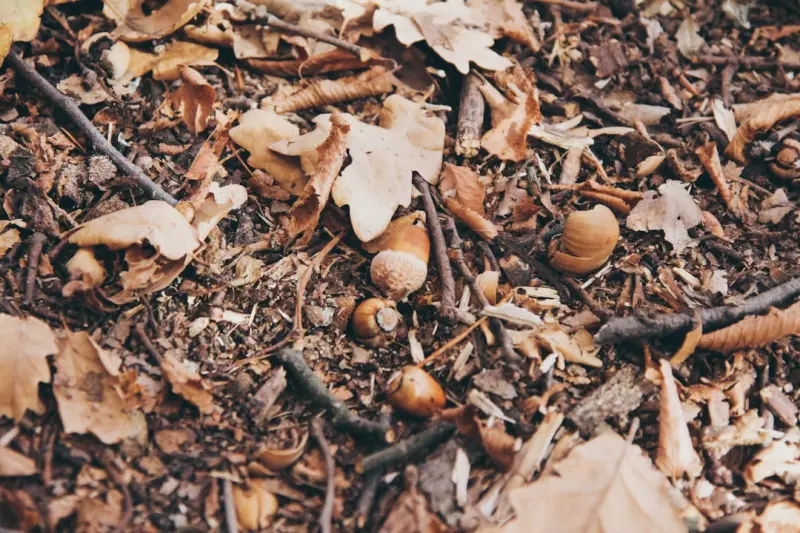
Reconnecting with the Land: How Urban Foraging Fuels Health and Community
When I was a kid, my grandparents took me on weekend hikes to the woods behind their farm. We’d pause by a thicket of wild berries, and they’d explain how each plant had its own story—some sweet, some bitter, all packed with nutrients that modern supermarkets often overlook. Fast‑forward a few decades, and I find myself navigating the same curiosity in a very different landscape: the concrete‑sprawled streets of my city.
Urban foraging isn’t just a trendy hashtag; it’s a practical, science‑backed way to enrich our diets, lower grocery bills, and build a deeper sense of place. In this post, I’ll share how you can start foraging safely, the top nutrient‑dense wild edibles you’ll likely find in city parks, and the surprising ways this practice can boost mental health, community ties, and even the environment.
Why Foraging Works: The Nutrient Edge of Wild Foods
Plants growing in the wild are often “hardier” than cultivated varieties. Without the constant hand‑holding of fertilizers, pesticides, and selective breeding, these organisms develop richer phytochemical profiles to protect themselves from pests, UV radiation, and drought. That defensive chemistry translates into higher concentrations of antioxidants, vitamins, and minerals that we crave for optimal health.
Research shows that wild greens can contain up to three times more vitamin C than their grocery‑store counterparts, while certain berries pack more polyphenols than cultivated fruit. Those compounds are the same ones that help reduce inflammation, support immune function, and protect against chronic disease.
Getting Started: Safety First
Before you set out with a basket, keep these golden rules in mind:
- Know Your Plant. Use a reliable field guide or a reputable app to positively identify each species. When in doubt, leave it out.
- Check Local Regulations. Some parks prohibit harvesting, while others encourage it. Look for signage or check municipal websites.
- Harvest Sustainably. Take only what you need—typically no more than 10% of a plant’s population—to ensure the ecosystem can rebound.
- Mind Contaminants. Avoid areas near heavy traffic, industrial sites, or sprayed lawns. Soil can harbor heavy metals that accumulate in plants.
Top 7 Urban Edibles You Can Find Right Outside Your Door
These are the most common, nutrient‑dense wild foods that thrive in city environments. All are safe to eat once properly identified.
- Stinging Nettle (Urtica dioica). Though the name sounds intimidating, blanching the leaves neutralizes the sting, revealing a spinach‑like flavor rich in iron, calcium, and vitamins A, C, and K.
- Dandelion (Taraxacum officinale). Every part of this plant is edible. The greens are a powerhouse of beta‑carotene and antioxidants, while the roots can be roasted for a coffee‑like brew.
- Wild Garlic (also called Ramps, Allium tricoccum). A seasonal delicacy with a garlicky bite, packed with sulfur compounds that support liver detoxification.
- Mulberry Trees (Morus spp.). Their berries burst with vitamin C, iron, and anthocyanins—great for smoothies or fresh snacking.
- Chickweed (Stellaria media). A tender, mild leaf that’s perfect in salads, offering a surprising amount of omega‑3 fatty acids.
- Blackberries and Raspberries. While cultivated varieties dominate grocery aisles, wild berries tend to be smaller yet more flavonoid‑dense, delivering a potent antioxidant punch.
- Hazelnut Saplings. In many older city parks, you’ll find young hazelnut trees. Their nuts are a source of healthy monounsaturated fats and vitamin E.
Cooking with the Wild: From Field to Fork
Integrating foraged foods into everyday meals is easier than you think. Here are three simple ways to incorporate your harvest:
- Green Power Smoothie. Blend blanched nettle, a handful of wild berries, banana, and almond milk. The result is a creamy, nutrient‑rich drink that rivals any store‑bought “superfood” blend.
- Wild Herb Pesto. Swap basil for chickweed or dandelion greens, toss with toasted hazelnuts, garlic, olive oil, and a squeeze of lemon. Spread on whole‑grain toast for a vibrant lunch.
- Seasonal Stir‑Fry. Quick‑sauté nettles, wild garlic, and sliced mushrooms in a splash of tamari. Finish with toasted sesame seeds for crunch and a drizzle of lime.
If you’re curious about how technology can help you master these dishes, check out When Bytes Meet Bites, which explores AI‑driven recipe generators that can suggest perfect pairings for your foraged finds.
Beyond Nutrition: Mental Health Benefits of Foraging
There’s a growing body of evidence linking nature exposure to reduced stress, improved mood, and enhanced cognitive function. The act of foraging combines mindful movement, sensory engagement, and the satisfaction of harvesting your own food—all ingredients for a natural mood booster.
In my own routine, I schedule a “forage walk” twice a week. The simple rhythm of scanning the ground, gently plucking leaves, and inhaling the earthy aroma of the city’s green pockets feels like a moving meditation. Studies suggest that even a 15‑minute nature break can lower cortisol levels by up to 20%.
Community Building Through Shared Harvests
One of the most rewarding aspects of urban foraging is the sense of community it cultivates. When you start sharing your finds with neighbors, you spark conversations about local ecosystems, sustainability, and health. Some cities have even organized “Forage Fridays,” where residents gather to identify plants, exchange recipes, and host pop‑up markets featuring wild‑crafted foods.
These gatherings echo the spirit of the Fermenting the Future movement—people coming together to transform simple, local ingredients into something greater than the sum of its parts.
Environmental Impact: A Small Act with Big Ripples
Every time you choose a wild green over a packaged product, you reduce demand for resource‑intensive agriculture. Wild foraging encourages biodiversity, supports pollinator habitats, and can even help remediate urban soils. Moreover, because the food is harvested at the point of consumption, you eliminate the carbon footprint associated with transportation, refrigeration, and packaging.
Think of it as a micro‑revolution: a handful of leaves collected in a park translates to fewer plastic bags, less food waste, and a tangible connection to the local ecosystem.
Integrating Foraging Into Your Weekly Meal Plan
Here’s a sample weekly framework to help you weave foraged foods into your routine without feeling overwhelmed:
- Monday – Green Start. Add a handful of blanched nettle to your morning omelet.
- Wednesday – Berry Boost. Toss fresh wild berries into your midday salad with mixed greens and a vinaigrette.
- Friday – Forage Feast. Host a dinner with friends, featuring a wild herb pesto pasta and a side of roasted hazelnuts.
Adjust the schedule to your local growing season—most of these plants peak in spring and early summer, but many, like dandelion and chickweed, persist through fall.
Common Misconceptions Debunked
- “Wild foods are unsafe.” While misidentification can be dangerous, proper education and cautious harvesting mitigate risks.
- “It’s too time‑consuming.” Once you learn to spot common edibles, a quick walk yields enough for a meal or snack.
- “Urban foraging is illegal.” Policies vary; many municipalities encourage responsible foraging as part of green stewardship programs.
- “The taste is off‑putting.” Many wild greens have robust, earthy flavors that, when prepared correctly, add depth to dishes.
Final Thoughts: Cultivating a Wild‑Hearted Lifestyle
Urban foraging is more than a culinary adventure; it’s a pathway to a healthier body, a clearer mind, and a tighter community. By stepping outside, learning the language of local plants, and bringing those gifts to our plates, we honor the ecosystems that sustain us.
If you’ve been waiting for a tangible way to make your diet more sustainable and nutritionally rich, the answer might just be a few steps away—right in your neighborhood park. So grab a reusable bag, a guidebook, and a sense of curiosity. The city’s hidden pantry is waiting.

Related Posts
The Microbiome Snack Revolution: How to Choose Packaged Foods That Actually Feed Your Gut
Discover a practical guide to selecting packaged snacks that nourish your gut microbiome, using a si... Read More

Unlocking the Power of Seasonal Superfoods for Everyday Vitality
Explore fresh, seasonal superfood swaps, pantry essentials, and mindful eating habits that turn ordi... Read More
Seasonal Foraging: Unlocking Wild Nutrition for Modern Diets
Explore the health benefits, safety tips, and practical recipes for bringing seasonal foraged foods ... Read More
Top Posts

Reviving the Open Air: Canada’s Drive‑In Cinema Renaissance
Canada’s drive‑in theatres are experiencing a vibrant comeback, turning parking lots into cultural hubs with high‑definition projections, subscription mod...Read More

Fermenting the Future: A Home Kitchen Revolution
Explore the art of home fermentation—from sauerkraut to kombucha—and learn how to leverage digital tools, borrow equipment, and join local communities to bo...Read More

Cabin Fever Reimagined: How Modern Canadians Are Crafting Wilderness‑Ready Homes
Canadian cabin living is experiencing a revival as remote work, affordability, and eco‑consciousness drive people to create year‑round, tech‑enabled homes...Read More

Parental Warning: The Microtransaction Menace Lurking in Kids’ Games
A deep dive into how microtransactions in kids’ games exploit psychology, drain wallets, and what parents can do to safeguard their children....Read More
0 Comments
Post Comment
You will need to Login or Register to comment on this post!