

Why Colorful Plates Matter
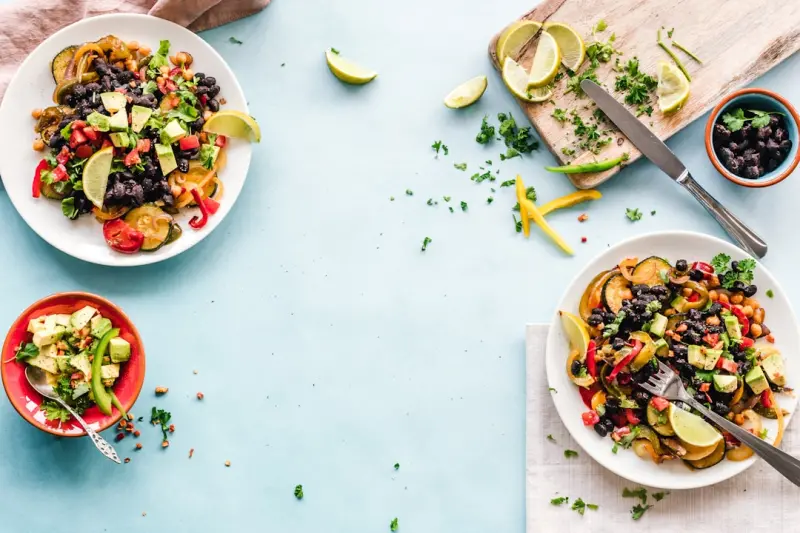
When I stand in my kitchen each morning, the first thing I notice is the rainbow of vegetables waiting on the counter, a visual reminder that health isn’t a chore but a celebration of nature’s palette. Eating a spectrum of colors isn’t just Instagram‑friendly; each hue signals a unique set of phytonutrients that work together to protect cells, balance hormones, and support gut integrity. For example, deep reds like beetroot deliver betaine for liver detox, while bright oranges such as carrots provide beta‑carotene, a precursor to vitamin A essential for vision and immune function. By deliberately reaching for a varied plate, you create a self‑sustaining nutrient matrix that reduces the need for isolated supplements, and you also set the stage for more satisfying meals that keep cravings at bay. This approach aligns with my personal mantra: food should fuel the body and inspire the soul, turning everyday cooking into a ritual of wellness rather than a rushed afterthought.
Seasonal Superfood Swaps
One of the simplest ways to keep your diet both exciting and nutrient‑dense is to swap out year‑round staples for their seasonal counterparts, which are often fresher, cheaper, and packed with higher concentrations of antioxidants. In spring, replace canned peas with freshly harvested sugar snap peas, whose crisp texture and sweet flavor deliver a burst of vitamin C and fiber that support skin health and digestion. Summer offers heirloom tomatoes bursting with lycopene, a compound shown to reduce inflammation and support cardiovascular health, making them a superior alternative to processed ketchup. Autumn’s bounty of squash varieties, from butternut to delicata, supplies beta‑carotene and potassium, perfect for stabilizing blood pressure after a busy workweek. By aligning your grocery list with the natural calendar, you also reduce the carbon footprint associated with long‑distance transport, a principle echoed in the Zero‑Waste Dining: How Restaurants Are Turning Trash into Treasure movement, where mindful sourcing becomes a cornerstone of sustainable eating. The result is a menu that feels fresh, vibrant, and inherently supportive of long‑term health goals.
Building a Nutrient‑Rich Pantry
Even the most diligent shopper can find themselves caught off guard when a sudden schedule change leaves little time for fresh produce, which is why a well‑stocked pantry is the silent hero of any healthy eating plan. Start with whole grains such as quinoa, farro, and steel‑cut oats; these provide complex carbohydrates, fiber, and a complete protein profile that steadies blood sugar throughout the day. Add a selection of legumes—red lentils, chickpeas, and black beans—each offering plant‑based protein, iron, and folate, crucial for energy production and cellular repair. Don’t forget nuts and seeds, like raw almonds, walnuts, and chia, which deliver omega‑3 fatty acids and magnesium, supporting heart health and muscle function. Finally, keep a variety of dried herbs and spices, from turmeric to smoked paprika, to enhance flavor without extra sodium or unhealthy fats. By rotating these staples regularly, you ensure that every meal—whether a quick stir‑fry or a hearty soup—has a solid nutritional foundation, making it easier to stay on track when life gets hectic.
Quick Prep Hacks for Busy Lives
Time constraints often force us to reach for convenience foods that lack nutritional value, but a few strategic prep hacks can transform even the busiest schedule into an opportunity for wholesome eating. Begin each weekend by batch‑cooking a base of protein—grilled tempeh, baked salmon, or roasted chicken breast—then portion it into airtight containers for grab‑and‑go meals. Pair these proteins with pre‑washed leafy greens and pre‑cut vegetables stored in separate compartments, allowing you to assemble salads, wraps, or bowls in under five minutes. Another game‑changer is the “overnight soak” technique: place oats, nuts, or seeds in water or plant‑based milk overnight, which not only reduces cooking time but also improves digestibility by activating enzymes. Finally, invest in a high‑quality immersion blender to turn frozen fruit into creamy smoothies in seconds, providing a nutrient‑dense breakfast that fuels your morning without the need for a sit‑down meal. These simple practices empower you to prioritize health without sacrificing precious time, turning the kitchen into a supportive ally rather than a source of stress.
Balancing Macros with Plant‑Based Proteins
Many people assume that a diet rich in vegetables automatically meets protein needs, yet the quality and distribution of macronutrients remain critical for muscle maintenance, hormone balance, and satiety. To achieve a harmonious macro profile, aim for a 40‑30‑30 split of carbohydrates, proteins, and fats, adjusting as needed for personal activity levels. Incorporate plant‑based proteins such as edamame, lentil pasta, or hemp hearts, which provide all essential amino acids when combined correctly, a concept known as complementary protein pairing. For instance, a bowl of quinoa mixed with black beans and topped with avocado not only satisfies the protein quota but also delivers healthy monounsaturated fats and fiber, slowing glucose absorption and keeping energy levels stable. When you pair these protein sources with complex carbs like sweet potatoes or whole‑grain couscous, you create a synergistic meal that supports both immediate performance and long‑term recovery, proving that meat‑free plates can be both satisfying and nutritionally complete.
Mindful Eating Rituals
Beyond the nutrients themselves, the way we consume food profoundly influences digestion, absorption, and overall satisfaction, which is why integrating mindful eating rituals can amplify the benefits of a healthy diet. Start by setting a timer for a brief breathing exercise before each meal, allowing the parasympathetic nervous system to activate, which improves enzyme secretion and nutrient uptake. As you eat, aim to chew each bite 20–30 times, a practice that not only enhances taste perception but also signals fullness to the brain, reducing the likelihood of overeating. Incorporate a moment of gratitude, acknowledging the journey of the ingredients from farm to table, which research suggests can increase mindfulness and lower stress hormones. By treating each meal as a deliberate act of self‑care rather than a background task, you reinforce a positive relationship with food, making it easier to maintain long‑term healthy habits.
Community‑Driven Food Swaps
One of the most rewarding ways to expand your culinary repertoire while staying within a health‑focused budget is to participate in community food swaps, where neighbors exchange surplus produce, homemade condiments, or specialty grains. These gatherings not only reduce waste but also introduce you to ingredients you might never have considered, like fermented kimchi or sprouted mung beans, enhancing both flavor and nutritional diversity. The concept aligns closely with the Pop‑Up Kitchen Revolution, which showcases how hyper‑local initiatives can democratize access to fresh, high‑quality foods and foster a sense of shared responsibility for community well‑being. By actively engaging in these exchanges, you build a supportive network that encourages experimentation, accountability, and the collective pursuit of better health outcomes, turning the act of eating into a collaborative adventure.
Tracking Benefits and Adjusting Course
Even the most thoughtfully crafted meal plan benefits from periodic evaluation, allowing you to fine‑tune choices based on real‑world results rather than static assumptions. Use a simple health journal or a digital app to record energy levels, digestion quality, and mood after each meal, noting any patterns that emerge over weeks. If you notice afternoon sluggishness, consider increasing complex carbs or adding a serving of leafy greens rich in magnesium. Conversely, if you experience persistent bloating, experiment with reducing certain legumes or incorporating digestive‑friendly herbs like fennel and ginger. By treating your diet as a dynamic experiment, you empower yourself to respond to your body’s signals with precision, ensuring that the foods you love continue to serve your evolving health goals and keeping the journey both sustainable and enjoyable.

Related Posts
Designing a Microbiome‑Friendly Meal Plan for the Modern Professional
A practical guide for busy professionals on creating a microbiome‑supporting diet, featuring fiber... Read More

Colorful Eating: How a Rainbow Plate Boosts Mood, Energy, and Health
Explore the science behind colorful foods, learn simple ways to add a rainbow to your meals, and see... Read More

Fermentation at Your Desk: Simple Gut‑Friendly Foods for Busy Professionals
Learn how easy, desk‑friendly fermentation can enhance digestion, energy, and focus with simple re... Read More
Top Posts

Community Telehealth Hubs: Reimagining Rural Care in Canada
A deep dive into community telehealth hubs, showing how reliable connectivity, human‑centred design, and local ownership can transform rural healthcare in Can...Read More

Indigenous Governance Models Reshaping Federal Policy in Canada
Indigenous governance frameworks are increasingly integrated into Canada’s federal policy, from resource management to education, offering a collaborative pat...Read More

Parental Warning: Navigating the Digital Minefield with Smarts and Heart
Learn how to safeguard your children from unseen digital dangers using clear contracts, chrono‑smart eating, functional foods, and empowered storytelling....Read More

AI & Regeneration: Canadian Farmers Lead the Way
Canadian farmers are adopting AI-driven precision tools and regenerative practices, creating a proactive, data‑rich approach that improves yields, reduces inp...Read More
0 Comments
Post Comment
You will need to Login or Register to comment on this post!