
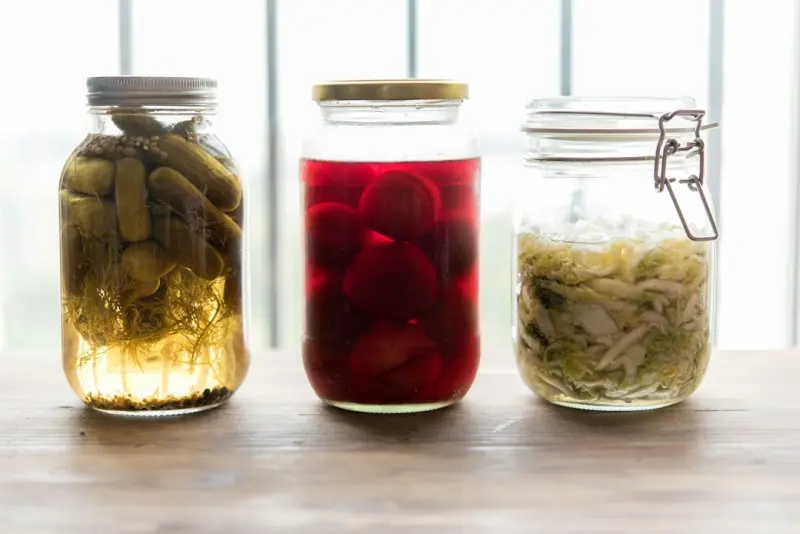
Why Fermentation Is the Quiet Revolution in Your Kitchen
When I was a kid, the only “fermented” thing I knew was the sour bite of a homemade pickle that my grandmother would sneak into my lunchbox. Fast forward a few decades, and I’m still that kid—only now I’m hunting for kimchi, kombucha, and miso in every grocery aisle, reading the labels like a cryptographer, and experimenting with wild cultures in my own pantry. Fermentation isn’t just a culinary fad; it’s a biochemical partnership between microbes and food that rewires our gut, sharpens our immune system, and even steadies our mood. In an age where convenience foods dominate, the ancient art of letting bacteria and yeasts do the work offers a low‑cost, high‑impact strategy for anyone who wants to eat well without becoming a nutritionist.
The Science That Makes Fermented Foods Worth the Effort
At its core, fermentation is a controlled decomposition. Lactic‑acid bacteria, yeasts, and certain molds break down sugars and starches, producing acids, alcohols, and gases that preserve the food and create new flavors. But the real magic lies in the probiotic colonies that survive the process. These live microorganisms colonize our gut, crowding out harmful pathogens, balancing the microbiome, and producing short‑chain fatty acids that fuel colon cells. Studies have shown that a diverse gut flora is linked to reduced inflammation, better mental health, and even a lower risk of chronic diseases like type‑2 diabetes.
Unlike a supplement that delivers a single strain of bacteria, fermented foods provide a symphony of microbes working together. This biodiversity mirrors what our ancestors ate and what our bodies are evolutionarily designed to digest. The result? A more resilient immune response, clearer skin, and a steadier energy level throughout the day.
Getting Started: The Four “Starter” Ferments Every Beginner Should Try
- Sauerkraut – Shredded cabbage with salt, left to ferment in its own brine. A few weeks yields a tangy, crunchy side that’s rich in vitamin C and fiber.
- Kefir – A fermented milk (or water) drink loaded with lactobacilli and yeasts. It’s thinner than yogurt, making it perfect for smoothies.
- Kombucha – Sweet tea fermented with a SCOBY (symbiotic culture of bacteria and yeast). It offers a fizzy, low‑sugar alternative to soda.
- Miso – Soybeans (or other legumes) fermented with koji mold and salt. Use it as a base for soups, dressings, or marinades for an umami boost.
These four foods require minimal equipment: a clean jar, a weight to keep the veggies submerged, and a cool, dark spot. The real barrier is psychological—letting a “messy” jar sit for days or weeks. Trust me, the payoff in flavor and health is worth the wait.
Beyond the Basics: Fermenting Fruits, Grains, and Even Coffee
Once you’ve mastered cabbage, the fermentation frontier expands dramatically. You can turn mangoes into a tropical kimchi, ferment oats into a probiotic porridge, or even experiment with “cold brew” coffee that’s been inoculated with lactobacilli for a subtle acidity and a gut‑friendly twist. Each new substrate introduces a different microbial profile, so you’re constantly feeding your gut with fresh allies.
For those who love a challenge, try fermenting beans into tempeh. This Indonesian staple uses Rhizopus mold to bind soybeans into a cake that’s high in protein, low in antinutrients, and perfect for grilling. The result is a nutty, chewy bite that can replace meat in many dishes, aligning with both health and sustainability goals.
Fermentation and the Modern Wallet: A Budget‑Friendly Power Move
In an era where the budget‑friendly nutrition strategies are more crucial than ever, fermentation offers a compelling cost advantage. A single head of cabbage can feed a family for weeks, and the only recurring expense is quality sea salt. Compared to buying pre‑packaged probiotic supplements or constantly restocking on fresh produce, fermenting your own foods cuts grocery bills while delivering superior nutrient density.
Even the “ghost kitchen movement” can learn a thing or two from fermentation: low overhead, high output, and a focus on shelf‑stable, ready‑to‑eat products. By applying the same lean‑production mindset to your home kitchen, you can create a pantry of probiotic powerhouses that last months without refrigeration, reducing food waste and the need for frequent shopping trips.
Flavor Meets Function: Creative Ways to Incorporate Ferments Into Everyday Meals
Fermented foods don’t have to sit on the side of the plate. Here are some quick ideas that turn any meal into a gut‑friendly feast:
- Sauerkraut tacos – Top corn tortillas with sauerkraut, avocado, and a drizzle of lime‑yogurt sauce for a tangy crunch.
- Kombucha vinaigrette – Mix kombucha, olive oil, mustard, and herbs for a salad dressing that tingles on the tongue.
- Miso‑glazed salmon – Marinate salmon fillets in a blend of miso, honey, and ginger, then broil for a caramelized finish.
- Kefir smoothie bowls – Blend kefir with frozen berries, banana, and a spoonful of nut butter; top with granola and fresh fruit.
These pairings demonstrate that you don’t need to sacrifice taste for health. In fact, the complex umami and sour notes that fermentation creates can elevate dishes that would otherwise feel bland.
Addressing Common Misconceptions and Safety Tips
Many beginners worry about “bad bacteria” or the smell of fermentation. The key is hygiene and proper salinity. Use non‑iodized sea salt at a ratio of about 2% by weight of the vegetables (e.g., 20 g of salt per kilogram of cabbage). Ensure everything stays submerged to create an anaerobic environment, which discourages mold growth. If you see surface mold, simply skim it off—the interior remains safe.
Another myth is that fermented foods are high in sodium. While they do contain salt, the amounts are modest compared to processed snacks, and the health benefits often outweigh the slight increase. If you’re on a strict low‑sodium diet, you can rinse fermented veggies briefly before eating to lower the surface salt.
Fermentation as a Lifestyle: Community, Sustainability, and Mindful Eating
Beyond the plate, fermentation fosters a sense of community. Swapping jars with neighbors, joining online “ferment clubs,” or attending local workshops creates social bonds rooted in shared health goals. It also aligns with sustainability: by extending the shelf life of produce, you reduce food waste—a major contributor to greenhouse gas emissions.
Mindful eating is another hidden benefit. Fermentation requires patience; you watch a humble ingredient transform over days, learning to trust the process. This intentionality often carries over to other aspects of life, encouraging a slower, more reflective approach to consumption.
Future Trends: The Intersection of Tech, Fermentation, and Personal Health
While the core of fermentation is ancient, modern technology is amplifying its reach. Apps now let you track pH levels, temperature, and fermentation time, while AI‑driven platforms suggest flavor pairings based on your taste profile. Imagine a smart fridge that alerts you when a batch of kimchi is reaching peak flavor, or a wearable that recommends a specific probiotic food based on your gut microbiome analysis. The generative AI boom is already influencing food tech, and we can expect personalized fermentation kits in the near future.
For now, the power remains in your hands—literally. A jar, some salt, and a willingness to let nature do its work can revolutionize your health, your wallet, and your relationship with food.
Take the First Step Today
Start small: buy a head of cabbage, a jar, and a pack of sea salt. Slice, salt, pack, and let it sit. Check back in a week, and you’ll taste the first notes of lactic acid fermentation. Celebrate that moment. It’s the beginning of a lifelong habit that nurtures your microbiome, fuels your body, and connects you to a global tradition of wholesome, sustainable eating.

Related Posts
Fermented Foods: The Modern Path to a Resilient Gut and Vibrant Health
Fermented foods like kimchi, kefir, and sauerkraut are powerful allies for a thriving microbiome. Th... Read More
Unlocking Nature’s Pharmacy: Seasonal Foraging for Peak Health
Seasonal foraging delivers nutrient‑dense foods, cuts grocery costs, and fosters mindfulness. Lear... Read More
Designing a Microbiome‑Friendly Meal Plan for the Modern Professional
A practical guide for busy professionals on creating a microbiome‑supporting diet, featuring fiber... Read More
Top Posts

Canada’s Quiet Cultural Boom: Community‑Driven Entertainment Redefined
A deep dive into the grassroots movements powering Canada’s entertainment renaissance—from community streaming platforms and Indigenous digital storytelling...Read More

AI‑Powered Contract Review: Turning Legal Compliance Into a SaaS Growth Engine
A deep dive into AI‑enhanced contract management, liability limits, privacy clauses, and practical steps SaaS leaders can take to turn compliance into a growt...Read More

Playful Movement: How Everyday Joy Can Rewire Your Health
Explore the transformative power of playful movement—simple, joyful activities that improve fitness, mood, and resilience. Learn practical tips to make fun mo...Read More

Discovering Ontario’s Hidden Fishing Gems: A Personal Journey
From remote lakes to sustainable tackle, join an Ontario angler’s adventure discovering hidden waters, local traditions, and fresh ways to enjoy the catch....Read More
0 Comments
Post Comment
You will need to Login or Register to comment on this post!