
When I first moved into a tiny downtown loft, I thought “healthy eating” meant buying the most expensive super‑food powders and sprinkling them over my oatmeal. Six months later, after a bout of chronic fatigue and a baffling craving for pickles at 3 a.m., I realized the problem wasn’t the lack of nutrients—it was the lack of synergy. My body was getting the right pieces, but they weren’t speaking to each other.
Why Food Pairing Matters More Than You Think
Most nutrition guides treat foods as isolated units: “Eat more kale,” “Add a handful of almonds,” “Drink a glass of orange juice.” While those tips are solid, they miss the subtle chemistry that happens when ingredients meet on your plate. Think of it like a conversation at a dinner party—if the guests share common interests, the dialogue flows. If not, you end up with awkward silences.
Science shows that certain nutrients boost the absorption of others. For example, fat-soluble vitamins (A, D, E, K) need a little dietary fat to slip through the intestinal wall. Pairing a leafy green salad with a drizzle of olive oil can increase the uptake of vitamin K by up to 200 %. Similarly, iron from plant sources (non‑heme iron) is far better absorbed when paired with vitamin C. A simple squeeze of lemon over a spinach‑and‑bean bowl can turn a modest iron source into a powerhouse.
Understanding these pairings turns eating from a checkbox activity into a strategic, almost alchemical practice. Below, I’ll walk you through my favorite combos, the science behind them, and how you can start experimenting without turning your kitchen into a lab.
The Core Pairings Every Healthy‑Food Enthusiast Should Know
- Healthy Fats + Fat‑Soluble Vitamins: Avocado with kale, nuts with carrots, salmon with broccoli.
- Vitamin C + Plant‑Based Iron: Bell peppers with lentils, strawberries with quinoa, citrus with spinach.
- Protein + Fiber: Greek yogurt with chia seeds, chicken breast with quinoa, tempeh with roasted Brussels sprouts.
- Probiotics + Pre‑biotics: Yogurt with bananas, kimchi with sweet potato, kefir with oats.
- Spices + Antioxidants: Turmeric with black pepper, cinnamon with apples, ginger with carrots.
These five categories cover the majority of nutrient‑boosting opportunities you’ll encounter in everyday meals. Let’s unpack each one.
1. Healthy Fats + Fat‑Soluble Vitamins: The Dynamic Duo
When I first tossed a kale‑and‑quinoa salad with a splash of olive oil, I was skeptical. Kale is already a vitamin K titan, but the oil made the leaves glossy and added a buttery mouthfeel. The result? A salad that felt luxurious and, more importantly, delivered almost double the vitamin K compared to kale alone.
Practical tip: Add a teaspoon of cold‑pressed oil (olive, walnut, or flaxseed) to any raw vegetable dish. For cooked veggies, a quick finish drizzle preserves the fat’s integrity and keeps the nutrients intact.
2. Vitamin C + Plant‑Based Iron: Turning Greens into Iron‑Rich Powerhouses
Vegetarians and vegans often worry about iron deficiency because plant iron isn’t as readily absorbed as the heme iron in meat. The fix is delightfully simple: pair iron‑rich foods with a source of vitamin C. I love a warm lentil stew brightened with a handful of chopped red bell pepper and a squeeze of lime just before serving. The acidity not only lifts the flavor but also unlocks the iron.
Quick combo: Cooked spinach + a drizzle of orange‑infused vinaigrette. The citrus does double duty—adding zing and boosting iron absorption.
3. Protein + Fiber: Satiety Meets Blood‑Sugar Balance
Protein is the building block for muscles, enzymes, and hormones, while fiber slows digestion, preventing the dreaded post‑meal crash. When I combine Greek yogurt (protein) with a spoonful of chia seeds (fiber), I get a breakfast that keeps me full for hours without a spike in blood sugar.
For lunch, I often serve grilled chicken over a bed of farro mixed with roasted carrots and onions. The farro supplies soluble fiber that blunts the glucose impact of the chicken’s protein, delivering sustained energy.
4. Probiotics + Pre‑biotics: Feeding Your Gut’s Good Citizens
Probiotics are the friendly bacteria that colonize the gut, while pre‑biotics are the fibers they love to feast on. The synergy is similar to planting a garden and then watering it. A favorite of mine is a breakfast bowl of kefir (probiotic) topped with sliced banana and a sprinkle of oat bran (pre‑biotic). The result is a creamy, sweet start that literally nurtures the microbes already present.
If you’re looking for an easy dinner trick, try adding a side of kimchi (probiotic) alongside roasted sweet potatoes (pre‑biotic). The fermented tang cuts through the sweet earthiness, creating a balanced palate and a gut‑friendly combo.
5. Spices + Antioxidants: Flavor That Defends
Spices aren’t just aromatic—they’re bioactive compounds that can amplify the antioxidant power of the foods they accompany. Curcumin, the bright yellow molecule in turmeric, is notoriously poorly absorbed on its own. Pair it with black pepper, which contains piperine, and you boost curcumin’s bioavailability by up to 2,000 %.
My go‑to snack is roasted cauliflower tossed with turmeric, cumin, and a pinch of pepper. It’s crunchy, warm, and packs a defensive punch against oxidative stress.
Putting It All Together: A Sample Day of Synergistic Eating
Below is a full‑day menu that incorporates the five core pairings. Feel free to swap ingredients based on preference, seasonality, or dietary restrictions.
- Breakfast: Greek yogurt (protein) with chia seeds (fiber), fresh berries (antioxidants), and a drizzle of almond butter (healthy fat). Add a squeeze of lemon (vitamin C) over the berries for a brightness that also aids iron from the chia.
- Mid‑Morning Snack: A small bowl of Ferment Your Way to Better Health kefir topped with banana slices (pre‑biotic) and a dash of cinnamon (antioxidant).
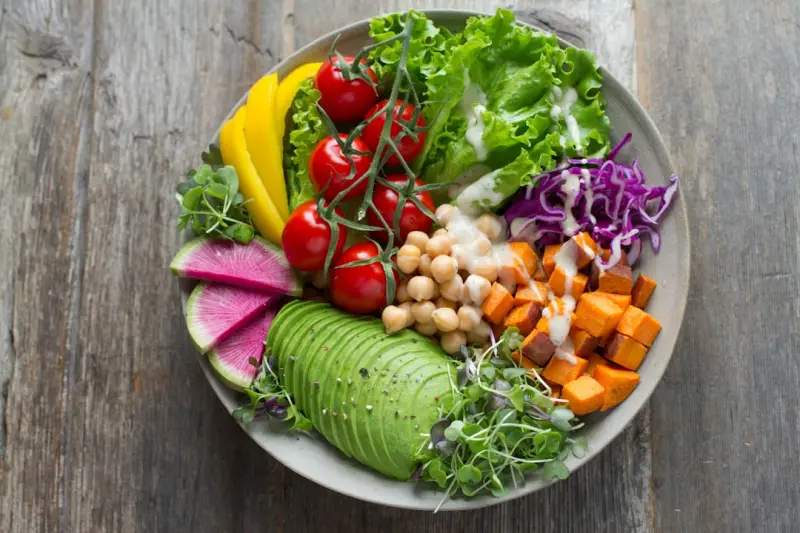
- Lunch: Kale (fat‑soluble vitamin K) salad with roasted chickpeas, cherry tomatoes, avocado (healthy fat), and a lemon‑tahini dressing (vitamin C). Toss in a handful of pumpkin seeds for extra protein.
- Afternoon Pick‑Me‑Up: A piece of dark chocolate (antioxidant) paired with a handful of walnuts (healthy fat) and a cup of green tea (polyphenols).
- Dinner: Pan‑seared salmon (protein + omega‑3) on a bed of quinoa (fiber) with sautéed spinach (iron) finished with a splash of orange‑infused olive oil (vitamin C + healthy fat). Sprinkle toasted sesame seeds for a subtle nutty note.
- Evening Wind‑Down: Warm almond milk infused with turmeric and black pepper (spice synergy) and a dash of honey.
Notice how each meal features at least one of the core pairings. The result isn’t just nutritional adequacy; it’s a culinary rhythm that keeps your body humming.
How to Experiment Without Overwhelming Yourself
Starting with all five pairings at once can feel like juggling. Here’s a three‑week plan to ease you in:
- Week 1 – Fat + Vitamins: Add a teaspoon of oil to every raw veg dish.
- Week 2 – Vitamin C + Iron: Pair a citrus fruit or bell pepper with each iron‑rich meal.
- Week 3 – Probiotic + Pre‑biotic: Introduce a fermented food (kimchi, sauerkraut, kefir) and pair it with a fiber‑rich side.
Once these become habit, weave in the protein‑fiber and spice‑antioxidant combos. You’ll find that the changes feel natural rather than forced.
Beyond the Kitchen: Community and Knowledge Sharing
While the science of pairing is fascinating, the real magic happens when you share discoveries with others. I recently joined a local food‑swap circle where members bring a fermented jar or a batch of sprouted beans and exchange ideas on pairing strategies. It reminded me of Beyond the Fields, where community‑first food networks empower individuals to source, prepare, and enjoy nutrient‑dense meals together.
Even if you don’t have a formal group, a simple “pair‑of‑the‑week” thread in your favorite messaging app can spark conversation, accountability, and new recipe ideas.
Addressing Common Myths
Myth 1: “If I take a multivitamin, I don’t need to worry about pairing.” Supplements can fill gaps, but they don’t replicate the synergistic effects of whole foods. The matrix of fiber, phytonutrients, and natural enzymes in foods offers benefits that isolated pills can’t match.
Myth 2: “All fats are bad, so I should avoid them.” Healthy fats are essential for the absorption of many vitamins. Opt for cold‑pressed oils, nuts, seeds, and fatty fish rather than trans‑fat laden processed foods.
Myth 3: “Cooking destroys nutrients, so I should eat everything raw.” Some nutrients become more bioavailable after cooking (e.g., lycopene in tomatoes). The key is balance—raw for vitamin C, lightly cooked for antioxidants like lycopene, and paired with fats for absorption.
Tools and Resources to Keep You on Track
Technology can be a friend in this journey. Apps that scan grocery items and suggest pairing options are emerging, and many of them pull data from research on nutrient synergy. While I haven’t settled on a favorite yet, I encourage you to explore options that let you log meals and see suggested combos in real time.
If you’re interested in the deeper science, revisit Why Your Plate Should Look Like a Rainbow for a primer on phytochemical diversity. Pair that knowledge with the pairing principles above, and you’ll have a robust framework for optimizing every bite.
Final Thoughts: Make Your Plate a Conversation Starter
Healthy eating isn’t a strict regimen; it’s a dialogue between your body and the foods you choose. By paying attention to how nutrients converse—fat with vitamins, acid with iron, microbes with fibers—you transform meals from simple fuel into strategic wellness tools. The next time you reach for a snack, ask yourself: “What can I add to make this not just tasty, but also a catalyst for better absorption?”
When you start viewing your plate as a meeting room for nutrients, you’ll notice subtle shifts: steadier energy, clearer focus, and a gut that feels genuinely nurtured. It’s not magic; it’s chemistry—delicious, accessible, and entirely within your control.

Related Posts

Wild Harvest: Turning Forest Finds Into Nutrient‑Rich Superfoods
Explore the power of wild foraged foods—learn safe identification, simple fermentation, and easy r... Read More

Fermentation Unleashed: Turning Everyday Produce Into Probiotic Powerhouses
Explore the science and practice of fermentation, learn easy starter recipes, and see how this ageâ€... Read More
Snack Smarter: How Functional Bites Can Fuel Your Day
Discover the rise of functional snacks—balanced mixes of nuts, seeds, dried berries, and adaptogen... Read More
Top Posts

The Power of Community-Driven Marketing: How Local Businesses Can Thrive
Community-driven marketing is a powerful tool for supporting local businesses and promoting economic growth. Learn more about the benefits and challenges of com...Read More

How Community Kitchens Are Redefining Urban Cost‑of‑Living
Community kitchens unite residents to share resources, bulk‑buy ingredients, and harness renewable energy, dramatically cutting food and utility costs while s...Read More

Wasaga Beach Drops the Beat: The Official Soundtrack of Summer is Here
Wasaga Beach, Ontario, a destination renowned for its stunning sunsets and vibrant beach culture, has just upped its summer game. Forget simply experiencing the...Read More

Community‑First Health: Reimagining Care Through Local Trust and Innovation
A deep dive into how community ownership, Indigenous collaboration, digital literacy, and climate‑smart practices can transform Canadian healthcare into a mor...Read More
0 Comments
Post Comment
You will need to Login or Register to comment on this post!