
Why Ontario Anglers Are Turning Toward Sustainable Practices
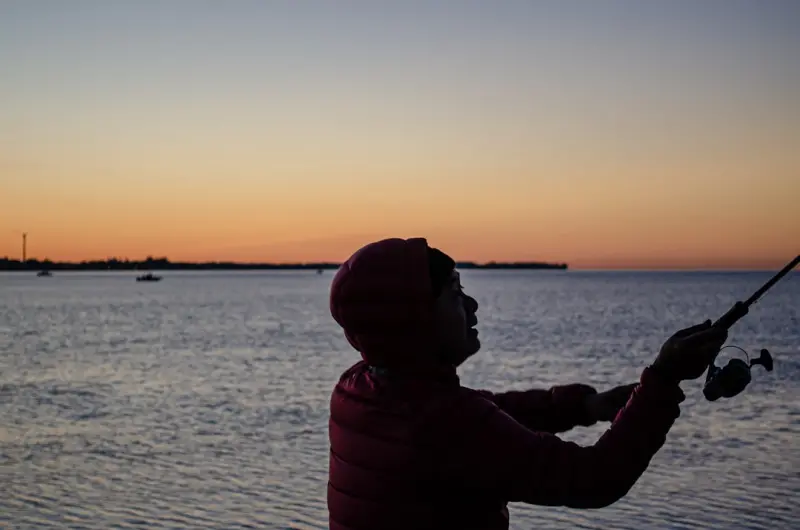
When I first grabbed a rod on the shores of Lake Simcoe, I was chasing the thrill of the strike, not the impact of my footprint. Over the years, that rush has been tempered by a growing awareness that our beloved waters are not limitless. Ontario’s lakes and rivers are a mosaic of habitats—cold‑water tributaries, sprawling wetlands, and deep‑water basins—each supporting a delicate balance of fish species. As the season changes and the conversation around climate and conservation intensifies, more anglers are asking themselves a simple but powerful question: how can I enjoy fishing while protecting the ecosystems that give us this sport?
The Evolution of Eco‑Conscious Angling
Decades ago, “catch and release” was a niche idea whispered among a few purists. Today, it’s becoming a cornerstone of responsible fishing culture across the province. The shift isn’t just about preserving trophy sizes; it’s about safeguarding the entire food web. When a walleye or a smallmouth bass is released unharmed, it continues to fulfill its role as predator, prey, and, ultimately, as a source of nutrients that sustain the lake’s health.
Ontario’s fisheries management agencies have responded with science‑backed regulations—size limits, seasonal closures, and habitat protection zones. But the most significant changes are happening at the grassroots level: anglers swapping monofilament lines for biodegradable options, using barbless hooks, and opting for catch‑and‑release practices that minimize handling stress.
Ontario’s Unique Ecosystems Demand Tailored Strategies
The province boasts over 250,000 lakes, each with its own set of environmental variables. For instance, the cold, oxygen‑rich waters of the Great Lakes support Atlantic salmon runs, while the shallow, vegetated bays of Lake St. Clair nurture abundant perch and pike populations. Understanding these nuances is essential for any angler who wants to fish responsibly.
- Cold‑water systems: Species such as trout and salmon thrive in low‑temperature, high‑oxygen environments. Over‑fishing during spawning runs can devastate populations. Using drift nets or trolling with minimal disturbance helps protect spawning beds.
- Warm‑water habitats: Bass and panfish dominate in warmer, vegetated waters. Here, the biggest threat often comes from habitat degradation—shoreline development and invasive plant species like zebra mussels. Anglers can help by participating in shoreline clean‑ups and reporting invasive sightings.
- Riverine corridors: Rivers like the Ottawa and the French provide critical migration pathways. Seasonal closures during spawning migrations are common, and respecting these windows is vital for long‑term population health.
Gear Choices That Reduce Your Environmental Impact
Modern fishing gear has come a long way. Below are some choices that align with a low‑impact ethos:
- Biodegradable lines: Traditional nylon lines can persist for years in water, entangling wildlife. New plant‑based polymers break down naturally within months.
- Barbless hooks: These reduce tissue damage on fish, increasing post‑release survival rates. Many provinces now encourage or even mandate their use for certain species.
- Non‑lead weights: Lead is a toxin that accumulates in fish tissue and can affect predators, including humans. Tungsten or steel alternatives are safer and just as effective.
- Reusable tackle boxes: Single‑use plastics are a major source of litter. A sturdy, waterproof tackle box cuts down on waste and keeps gear organized.
Leveraging Technology for Smarter Fishing
Smartphone apps, satellite imagery, and real‑time water‑quality dashboards have turned the traditional “cast and wait” method into a data‑driven experience. Anglers can now check temperature gradients, dissolved oxygen levels, and even forecast fish movements based on wind and current models. While technology can enhance success rates, it also equips us with the knowledge needed to avoid pressure on vulnerable stocks.
One example is the use of internal marketplace solutions for sharing gear and information among local clubs. By pooling resources, anglers reduce the need for new equipment purchases and foster a community of stewardship.
Community Resource Networks: A Blueprint for Sustainable Angling
Beyond individual actions, collective effort amplifies impact. Across Ontario, “local resource networks” have emerged, linking anglers, conservation groups, and municipal agencies. These networks coordinate shoreline clean‑ups, habitat restoration projects, and citizen‑science initiatives such as water‑quality monitoring.
For instance, the Lakeshore Restoration Collective in Muskoka partners with schools to teach students how to identify and remove invasive species while simultaneously gathering data that informs provincial management plans. Such collaborations demonstrate that fishing is not an isolated pastime; it’s woven into the social and ecological fabric of the region.
Seasonal Strategies: Aligning Your Calendar With Nature’s Rhythm
Understanding seasonal fish behavior is both a tactical advantage and a conservation imperative. Here’s a quick guide:
- Spring (April‑June): Many species move into shallow feeding grounds. This is an ideal time for catch‑and‑release, as fish are still building reserves for spawning.
- Summer (July‑August): Warm water can stress fish; focusing on deeper, cooler zones reduces pressure on surface populations.
- Fall (September‑October): As fish bulk up for winter, they become more aggressive. Use this window for selective harvesting while respecting size limits.
- Winter (November‑March): Ice fishing offers a unique perspective on habitat. Practicing “quiet entry” techniques—minimal boat noise and careful line placement—helps keep fish undisturbed.
From Catch to Table: Ethical Preparation of Your Harvest
If you choose to keep a fish, handling it ethically doesn’t end at the moment it leaves the water. Proper bleeding, chilling, and cooking preserve both flavor and nutritional value. Many Ontario chefs now emphasize “catch‑to‑plate” stories, highlighting the provenance of each dish. This transparency encourages consumers to think about sustainability when they order seafood, creating a market incentive for responsible fishing.
Education and Advocacy: The Role of Anglers in Policy
Ontario’s fisheries policies evolve through public consultation. Anglers have a seat at the table—participating in advisory committees, submitting feedback during regulatory reviews, and voting in local conservation elections. By staying informed and voicing support for science‑based limits, the angling community can help ensure that regulations balance recreational access with long‑term ecosystem health.
Future Outlook: A More Resilient Ontario Watershed
The convergence of technology, community action, and responsible gear is reshaping Ontario fishing into a model of sustainability. As climate patterns shift, adaptive management will be essential. Anglers who adopt a stewardship mindset will not only preserve the thrill of the strike but also protect the waters for generations to come.
Every cast becomes a small act of stewardship when it’s guided by knowledge, respect, and a commitment to leave the water better than we found it. Whether you’re a seasoned pro or a weekend hobbyist, you hold the power to shape the future of Ontario’s fisheries—one mindful decision at a time.

Related Posts
Hidden Tributaries: Ontario’s Untapped Fishing Havens
Explore Ontario’s hidden waterways, seasonal cues, Indigenous insights, and eco‑friendly tips to... Read More

Community‑Led Conservation: Ontario Anglers Protect Their Waters
Ontario anglers are turning their passion into action, using citizen science, local restoration proj... Read More

Reeling in the Future: Ontario’s Farm‑to‑Table Fish Revival
Ontario’s anglers are turning their catches into culinary experiences, partnering with local chefs... Read More
Top Posts

The Secret Life of Hyper‑Local Pop‑Up Kitchens: How City Dining Is Being Redefined
Explore the rise of hyper‑local pop‑up kitchens, their impact on chefs and diners, and how you can join the culinary revolution in your city....Read More

National Data Trusts: The Next Frontier for Public‑Sector Innovation
National data trusts aggregate and democratize government data, offering a secure platform for public‑good applications while unlocking new SaaS opportunities...Read More

Data‑Driven Dining: How Restaurants Turn Insight Into Flavor and Profit
Discover how modern restaurants use data, AI, and community insights to cut waste, personalize menus, and boost profitability—all while delivering a next‑le...Read More

Tool Libraries and Shared Workshops: Reinventing Canadian Neighborhoods
Tool libraries are emerging as a powerful way for Canadians to save money, lower their environmental impact, and foster neighborhood connections through shared ...Read More
0 Comments
Post Comment
You will need to Login or Register to comment on this post!