

There’s a strange thrill that comes from watching a line tighten on a quiet Ontario lake at dawn. It’s a moment that blends patience, precision, and a whisper of wildness—a feeling I’ve chased since my first family trip to Lake Simcoe. Yet, as much as I love the timeless ritual of casting a line, I’ve also watched a subtle, powerful current reshape the sport: data. From satellite‑derived water temperature maps to crowd‑sourced fish activity logs, the modern angler is no longer just a lone observer but a participant in a living, breathing data ecosystem.
Why Data Matters More Than Ever on Ontario’s Waters
Ontario boasts more than 250,000 lakes, countless rivers, and a staggering diversity of fish species—from the feisty smallmouth bass of the Great Lakes shoreline to the elusive lake trout hidden in the deep, cold waters of the Canadian Shield. Historically, anglers relied on anecdotal knowledge passed down through generations. Today, that folklore is being augmented—and sometimes overturned—by real‑time analytics.
Consider the following:
- Temperature gradients: Even a two‑degree Celsius shift can change where a walleye decides to hunt.
- Oxygen saturation: Seasonal turnover events can push fish into unexpected depths.
- Human traffic patterns: Over‑fished hotspots can become less productive, while newly discovered coves may hold untapped bounty.
When these variables are captured, visualized, and shared, they become a roadmap that helps anglers make smarter decisions while also promoting healthier fish populations.
Building Your Own “Digital Tackle Box”
Think of a digital tackle box as a collection of tools that feed you actionable insights before you even step onto the dock. Below are three core components every tech‑savvy fisherman should consider integrating into their routine.
1. Real‑Time Lake Condition Apps
Mobile platforms now aggregate data from governmental agencies, private buoy networks, and even hobbyist weather stations. By pulling in water temperature, wind speed, and barometric pressure, these apps can predict the “sweet spot” for various species. For instance, a sudden drop in temperature combined with a rise in wind can indicate a feeding frenzy for northern pike near the shoreline.
2. Crowd‑Sourced Catch Logs
Communities like online angler forums have evolved beyond simple brag boards. Members now tag catches with GPS coordinates, depth, bait type, and even water clarity. Over time, these logs form a heat map that reveals emerging patterns—like a previously unknown spawning ground for muskellunge in a remote tributary of the French River.
3. AI‑Assisted Forecasting
Artificial intelligence isn’t just for autonomous cars. Machine‑learning models can ingest years of historical catch data, weather trends, and ecological reports to forecast the likelihood of a successful outing. A simple “what‑if” query—“Will my favorite lake support a decent trout run next weekend?”—can now be answered with a confidence score, saving you time and fuel.
Ethical Angling in the Age of Information
With great data comes great responsibility. The same tools that help you locate a trophy fish can also lead to overexploitation if misused. Here’s how to stay on the right side of the lake’s ecological balance:
- Practice selective harvesting: Use size and bag limits as a baseline, but also consider the health of the local population. If data shows a declining trend for a particular species, voluntarily reduce your catch.
- Share, don’t hoard: Contribute your own observations to community databases. The more data points, the more accurate the collective insight.
- Respect private and Indigenous waters: Some of Ontario’s most productive fisheries lie on lands governed by First Nations. Always seek permission and honor local stewardship practices.
Spotlight: The Rise of “Micro‑Habitat” Fishing
One of the most exciting trends emerging from the data revolution is the focus on micro‑habitats—tiny, often overlooked niches within a lake that host dense fish activity. For example, a submerged fallen tree in a shallow bay can create a vortex that attracts baitfish, which in turn draws larger predators. By overlaying sonar scans with GIS (Geographic Information System) mapping, anglers can pinpoint these micro‑habitats with unprecedented precision.
During a recent trip to Lake Nipissing, I used a handheld sonar unit synced to my phone’s mapping app. The device highlighted a series of “hot spots” along a previously uncharted ridge. After a brief trial, I hooked a 4‑lb. walleye that had eluded local guides for years. The secret? That ridge created a temperature break that concentrated zooplankton—an essential food source for juvenile fish that later grow into trophy‑size predators.
Balancing Tradition and Technology
Some purists argue that the soul of fishing is lost when screens replace patience. I hear them, and I respect the sentiment. However, technology isn’t meant to replace the quiet moments on the water; it’s designed to enhance them. When you know you’re casting in a spot where the odds are stacked in your favor, you can afford to linger longer, observe the subtle ripples, and truly connect with the environment.
Here’s a simple workflow that respects both tradition and innovation:
- Pre‑trip research: Spend 30 minutes reviewing lake condition forecasts and recent catch logs.
- On‑water verification: Use a portable sonar or depth finder to confirm the data’s accuracy.
- Patience first: Cast, wait, and enjoy the surroundings—letting the data guide, not dictate, your actions.
- Post‑trip contribution: Log your catch, conditions, and observations for the next angler.
Future Glimpses: What’s Next for Ontario Anglers?
Looking ahead, I see three developments that could further reshape Ontario fishing:
- Drone‑Based Water Sampling: Small, autonomous drones capable of measuring surface temperature, pH, and turbidity could provide hyper‑local data points, especially useful for remote lakes without fixed buoys.
- Blockchain‑Verified Catch Records: Imagine a transparent ledger that records every catch, ensuring compliance with regulations and offering consumers proof of sustainably sourced fish.
- Virtual Reality (VR) Reconnaissance: Before you even pack your gear, you could explore a 3‑D model of a lake, complete with simulated fish behavior based on real data.
While these technologies may sound futuristic, many are already in pilot phases. The key is to stay curious, stay ethical, and stay connected—to both the data and the water.
Wrapping Up: Casting With Confidence
Ontario’s waters are a living tapestry, woven from centuries of natural cycles and now, increasingly, from streams of data. By embracing the tools of the digital age while honoring the patience and respect that fishing demands, we can ensure that both the sport and the ecosystems it relies on thrive for generations to come.
So, the next time you set out for a sunrise run on Lake St. Clair or a late‑afternoon drift on the Thames River, bring your favorite rod, your favorite bait, and a pocketful of insights. The fish will still be there—just a little smarter about where they hide.

Related Posts
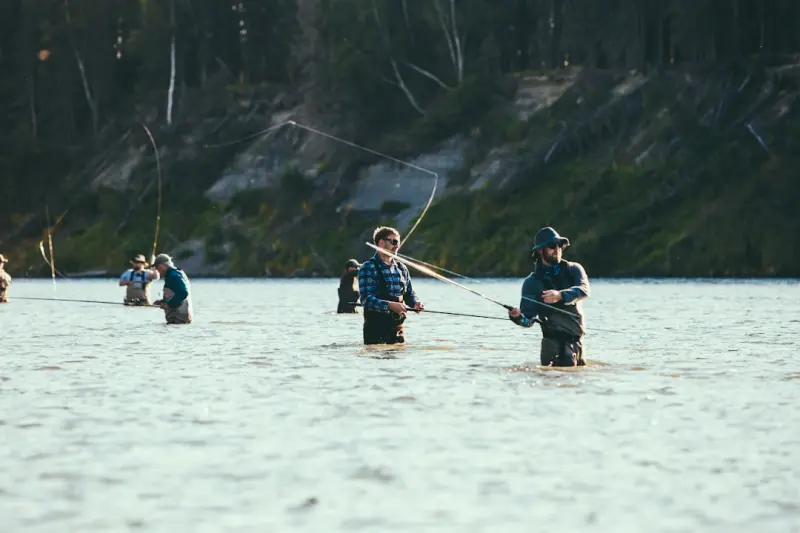
Beyond the Bite: Crafting a Sustainable Fishing Journey in Ontario
A deep dive into sustainable Ontario fishing, exploring catch‑and‑release ethics, Indigenous wis... Read More

Chasing the Moon: The Growing Phenomenon of Night Fishing on Ontario’s Lakes
Discover why night fishing is becoming Ontario’s hottest trend, with expert tips on gear, top spot... Read More
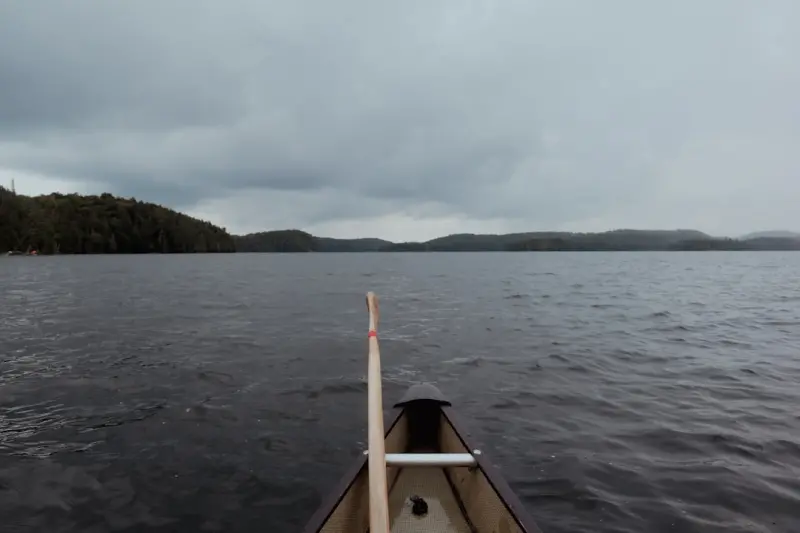
Ontario’s Hidden Waters: Modern Angling, Ancient Wisdom, and Sustainable Adventure
A fresh perspective on Ontario fishing blends ancestral knowledge, solar‑charged tools, and microâ... Read More
Top Posts

Conversational Commerce: Turning Chat Into Checkout
Discover how conversational commerce reshapes the buying journey by turning real‑time chat into seamless checkout experiences, using AI, trust‑building tact...Read More
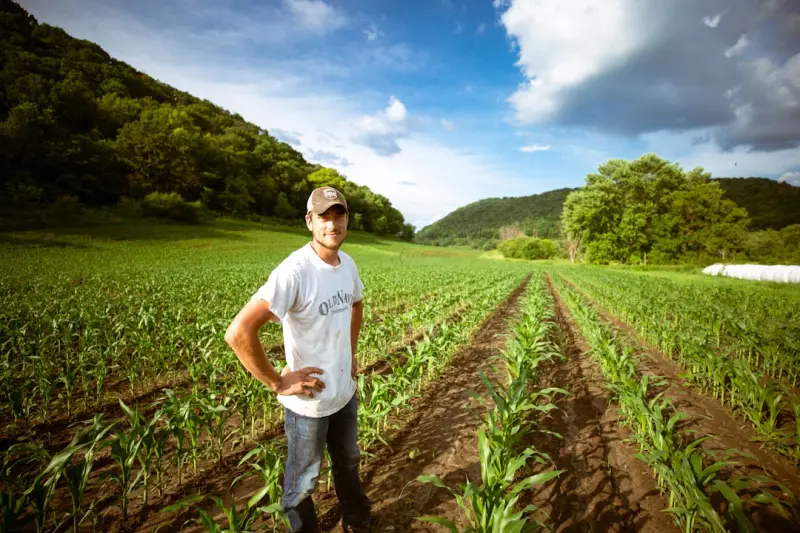
Regenerative Roots: Canadian Farmers Transform Soil into Climate Solutions
Canadian farmers are turning to regenerative agriculture—cover crops, reduced tillage, and integrated livestock—to restore soil health, cut inputs, and gene...Read More

How Biofeedback Wearables Are Redefining Everyday Wellness
Explore how wearable biofeedback devices turn hidden physiological signals into actionable habits, helping you manage stress, improve sleep, and build lasting h...Read More

Tariff‑Driven Innovation: Rethinking SaaS Architecture for a Fragmented Global Market
A fresh look at how trade tariffs are forcing SaaS companies to redesign architecture, localize data, and innovate pricing models to stay competitive in a fragm...Read More
0 Comments
Post Comment
You will need to Login or Register to comment on this post!