
Rediscovering Ontario’s Hidden Waters: A Fresh Look at Modern Fishing Practices
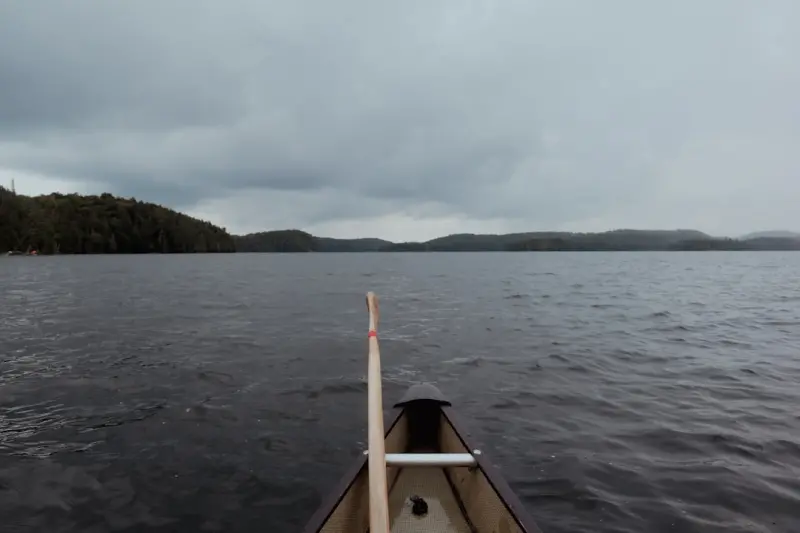
When I first set out with my grandfather on a mist‑laden dawn on Lake Simcoe, the world felt both vast and intimate. The gentle ripple of the water, the faint call of loons, and the patient tug of the line taught me that fishing in Ontario isn’t just a pastime—it’s a dialogue with the land, the water, and the generations that came before us. Today, that dialogue is evolving, guided by a blend of old‑world respect and cutting‑edge stewardship.
Why Small Lakes Matter More Than You Think
Ontario boasts over 250,000 lakes, but the spotlight often lands on the big names—Lake Ontario, Lake Erie, and the famed Muskoka waterways. The quieter, lesser‑known basins—like the emerald‑green expanse of Lake St. Clair or the forest‑kissed shores of Lake St. Louis—hold a surprisingly rich tapestry of fish species, from trophy‑size smallmouth bass to delicate brook trout.
- Ecological diversity: Smaller bodies of water often serve as refuges during harsh winters, providing stable temperature layers that support a wider range of species.
- Community connectivity: Local anglers, cottage owners, and Indigenous stewards tend to share a deeper, day‑to‑day relationship with these waters, fostering a sense of collective guardianship.
- Economic ripple: Though modest in size, these lakes drive micro‑tourism, supporting bait shops, guide services, and small‑scale hospitality that keep rural economies afloat.
Indigenous Knowledge: The Bedrock of Sustainable Fishing
For millennia, First Nations peoples have read the subtle cues of Ontario’s waterways—water temperature, current flow, and even the behavior of birds—to locate the best fishing grounds. Today, collaborative projects are weaving that ancestral wisdom with modern research.
One noteworthy initiative is the partnership between the Mississaugas of the Credit River and local universities, where elders teach students to identify spawning habitats by the shape of riverbank vegetation. This hands‑on learning goes beyond textbook theory; it cultivates a living understanding that translates directly to responsible harvest practices.
When anglers respect these teachings—such as releasing fish caught during spawning runs or using non‑invasive gear—they help maintain the delicate balance that has sustained these ecosystems for centuries.
Technology’s Gentle Touch: From Solar‑Powered Gear to Real‑Time Water Quality Alerts
Innovation doesn’t have to be flashy to be effective. The rise of solar‑powered initiatives has quietly seeped into the fishing world. Portable solar panels now charge handheld depth finders, GPS units, and even electric trolling motors, reducing reliance on disposable batteries and keeping the shoreline free of toxic waste.
Meanwhile, community‑run water quality monitoring stations, often hosted at local bait shops, transmit real‑time data on temperature, pH, and dissolved oxygen. Anglers receive alerts on their phones when conditions dip below thresholds for sensitive species, allowing them to adjust timing or gear to avoid unnecessary stress on the fish.
Catch‑and‑Release Reimagined: From Token Gestures to Measurable Impact
Catch‑and‑release has long been the mantra of “conservation fishing,” yet many practitioners treat it as a ritual rather than a science. New practices are shifting that mindset:
- Gentle handling protocols: Using rubberized nets, keeping fish in water as much as possible, and supporting them upright reduces mortality.
- Tagging for science: Community volunteers now attach low‑impact RFID tags to released fish, feeding data to provincial databases that track migration patterns and population health.
- Seasonal harvest windows: By aligning fishing seasons with the life cycles of target species—such as limiting bass harvest to post‑spawning periods—communities ensure that each generation can reproduce fully before facing pressure.
When these steps become the norm, catch‑and‑release transforms from a feel‑good checkbox into a measurable conservation tool.
Micro‑Adventures: Mapping the Unexplored Corners of Ontario
Just as the micro‑neighborhood concept has redefined urban exploration, anglers are turning their attention to “micro‑adventures” on Ontario’s back‑country lakes. These short, low‑impact trips involve packing light, using kayak‑compatible rods, and staying within a one‑day travel radius from home.
Why the surge?
- Reduced carbon footprint: Shorter drives and portable gear mean fewer emissions.
- De‑crowding of popular spots: By spreading effort across lesser‑known waters, pressure on heavily fished lakes eases, allowing fish populations to rebound.
- Intimate learning experiences: When you’re the sole angler on a secluded cove, every bite becomes a lesson in reading water, wind, and fish behavior.
Guides now offer “micro‑adventure kits” that include biodegradable line, a compact solar charger, and a printed map highlighting “secret spots” identified by local anglers.
From Hobby to Stewardship: Building a Fishing Ethic That Pays Forward
Modern anglers are increasingly viewing their hobby through the lens of stewardship. This shift manifests in three practical pathways:
1. Participating in Citizen Science
Provincial agencies run annual “Fish Counts” where volunteers log catches, sizes, and locations. The data informs policy—such as adjusting size limits or implementing new protected zones. By contributing, anglers directly shape the future of Ontario’s fisheries.
2. Supporting Local Conservation Funds
Many bait shops now display “catch‑and‑protect” donation boxes. A few dollars per bag of bait go toward shoreline restoration projects, invasive species removal, and educational workshops for youth.
3. Mentoring the Next Generation
Inter‑generational fishing trips are more than nostalgic outings; they’re a conduit for passing down ethics, techniques, and a reverence for nature. Schools in rural Ontario have begun integrating “Fishing 101” modules, where students learn to identify native species, understand regulations, and practice catch‑and‑release under expert supervision.
Seasonal Strategies: Aligning Your Calendar With the Fish’s Rhythm
Ontario’s climate offers a natural cadence that, when respected, yields better fishing and healthier ecosystems. Here’s a quick seasonal cheat sheet:
- Early Spring (March–April): Ice melt releases a burst of insect activity. Surface feeders like panfish become active—perfect for light spinners.
- Late Spring (May–June): Spawning season for many species. Use ultralight gear and focus on observation rather than harvest.
- Summer (July–August): Warm waters push fish to deeper, cooler zones. Trolling with downriggers and using natural bait (e.g., minnows) works well.
- Fall (September–October): Fish bulk up before winter; they’re more aggressive. Larger lures and slower retrieve rates can entice predatory bass and pike.
- Winter (November–February): Ice fishing opens a whole new world. Focus on jigging and maintain a low profile to avoid spooking the fish beneath the ice.
Future Outlook: A Watershed of Possibilities
Ontario’s fishing landscape stands at a crossroads where reverence for tradition meets the promise of thoughtful innovation. As solar‑charged electronics become commonplace, as Indigenous knowledge is woven into policy, and as micro‑adventures inspire a new generation, the waters will likely become richer, not just in fish, but in stories and stewardship.
For those of us who still feel the tug of a line at sunrise, the message is clear: fish wisely, learn continuously, and remember that every ripple we create today will echo through the lakes of tomorrow.

Related Posts
Fishing with a Conscience: Sustainable Practices on Ontario’s Lakes and Rivers
Discover how to fish responsibly in Ontario with sustainable gear, catch‑and‑release techniques,... Read More

Night Fishing in Ontario: Tips, Spots, and the Thrill of the Dark
Explore the excitement of night fishing in Ontario with gear guides, prime locations, safety advice,... Read More

Fishing With Respect: Ontario’s Path to Sustainable Angling
A deep dive into Ontario’s evolving fishing culture, blending Indigenous stewardship, innovative t... Read More
Top Posts

Discovering the Charm of Almonte, Ontario: A Guide to Your Perfect Getaway
Almonte, Ontario, a picturesque town nestled on the banks of the Mississippi River, offers a tranquil escape from the hustle and bustle of city life. With its h...Read More

Dive into Fun: Essential Tips for Visiting Ripley's Aquarium of Canada in Toronto
Ripley's Aquarium of Canada, nestled in the heart of downtown Toronto, offers an immersive and captivating journey into the underwater world. From mesmerizing j...Read More

Tariff Forecasting: Building a Proactive Pricing Playbook for SaaS
Tariff volatility doesn’t have to erode SaaS margins. This post outlines a data‑driven toolkit, flexible pricing strategies, and real‑world steps to forec...Read More

The Sound of Loyalty: How Restaurants Are Turning Meals into Memorable Experiences
Restaurants are moving beyond traditional point systems, using curated soundscapes, health‑focused perks, and community memberships to create immersive loyalt...Read More
0 Comments
Post Comment
You will need to Login or Register to comment on this post!