
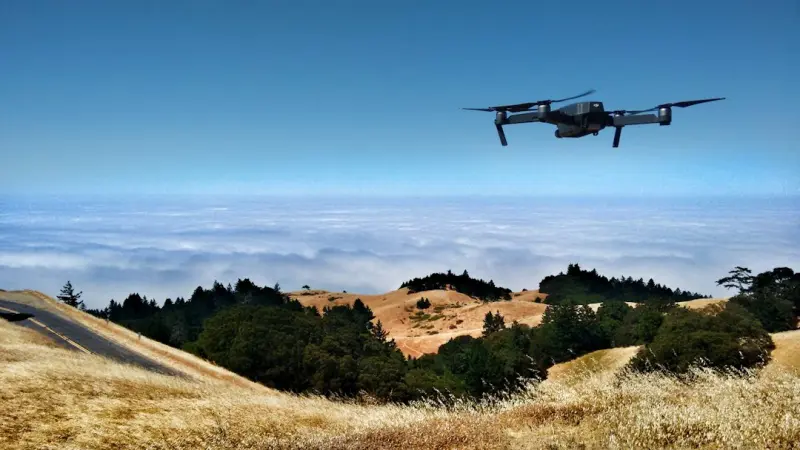
Why Drones Are the New Compass for Ontario Anglers
When I first took a drone out on the lake near Muskoka, I expected a few blurry snapshots of my boat. What I got instead was a bird’s‑eye view that instantly rewrote my entire approach to fishing. In the sprawling freshwater networks of Ontario, a drone isn’t just a gadget—it’s a scouting companion that can spot structure, reveal baitfish schools, and even gauge weather patterns in real time. This shift from “cast and hope” to data‑driven precision is changing the way we experience our province’s abundant waters.
Choosing the Right Drone for the Ontario Environment
The Great Lakes, the Thousand Islands, and the countless inland lakes each present unique challenges. A good drone for Ontario fishing should handle:
- Cold‑water durability: Temperatures can plunge below 5 °C, so a battery that retains capacity in the cold is essential.
- Wind resistance: Lakeside breezes often exceed 20 km/h. Look for models with strong motors and stabilisation technology.
- Water‑proof or water‑resistant design: Accidental splashes are inevitable when you’re hovering low over a dock.
- High‑resolution camera with zoom: Identifying submerged structure or baitfish requires crisp imagery, sometimes from 50 m away.
Brands like DJI, Autel, and Skydio offer options that meet these criteria, but the best choice depends on your typical fishing venue—whether you favour the calm of a cottage‑side pond or the brisk currents of the St. Lawrence River.
Mapping the Water: From Satellite Images to Real‑Time Overflights
Before you even launch a drone, spend a few minutes on satellite mapping tools such as Google Earth or the Ontario Ministry of Natural Resources’ lake maps. Identify potential hotspots: drop‑offs, submerged logs, weed beds, and points where tributaries feed into larger bodies. These are the features that usually hold fish.
Once on the water, use your drone to confirm what the maps suggest. A quick “fly‑over” can reveal whether a weed bed is still intact or if a recent storm has shifted debris. The real‑time feedback helps you decide where to set up your gear, saving both time and fuel.
Spotting Baitfish and Understanding Their Movements
Baitfish are the foundation of any successful freshwater fishery. Schools of minnows, shad, and darters signal where predator species—like walleye, bass, and northern pike—are likely to lurk. Drones equipped with a 4K camera can capture the shimmering surface activity that indicates baitfish activity.
Here’s a step‑by‑step routine to locate baitfish:
- Launch at low altitude (10‑15 m): This keeps the camera stable and reduces wind interference.
- Pan slowly across the water: A gentle left‑to‑right sweep allows the camera to capture patterns of movement.
- Observe surface ripples: Small, coordinated ripples often mean a school is feeding near the surface.
- Mark the GPS coordinates: Most drones let you drop a waypoint; use it to return later or guide a boat.
When you see a dense school, you have a clear target for a “drop‑shot” or “surface lure” presentation. The advantage? You’re not guessing; you’re reacting to a proven food source.
Assessing Weather and Wind From Above
Ontario’s weather can be fickle. A sudden front can turn a calm lake into a choppy arena within minutes. Drones give you a macro view of cloud cover, wind direction, and even the temperature of the water surface. By observing the way waves align on the shoreline, you can infer wind direction—a crucial factor when deciding which side of a dock to fish from.
Combine this aerial intel with on‑board tools like a handheld anemometer or a fish‑finder that displays water temperature. The synergy of data points creates a robust picture that most anglers simply don’t have without a drone.
Legal Considerations and Responsible Flying
Ontario has clear regulations for unmanned aircraft. A quick checklist before you head out:
- Register your drone if it weighs over 250 g.
- Maintain a line‑of‑sight distance (usually 30 m).
- Avoid flying within 5 km of an airport or heliport.
- Never fly over crowds or private property without permission.
- Respect wildlife—especially nesting birds on islands.
Adhering to these guidelines not only keeps you legal but also protects the natural habitats that make Ontario fishing so special.
Integrating Drone Data With Traditional Fishing Gear
The modern angler’s toolbox now includes a phone, a fish‑finder, and a drone. The key is to make these tools talk to each other:
- Smartphone apps: Many drones sync with apps that allow you to overlay GPS waypoints onto a fishing map.
- Fish‑finder integration: Some high‑end fish‑finders accept external GPS inputs, letting you see the exact spot where a baitfish school was observed.
- Logbook updates: Record the drone‑identified hotspots in a digital logbook for future reference.
Over time, you’ll build a personal “heat map” of productive spots—essentially a custom, data‑driven fishing guide for your favourite lakes.
Enhancing Your Catch with Culinary Insight
While the drone helps you locate the fish, the kitchen determines how you enjoy them. Pairing your fresh catch with a balanced, colorful plate can elevate the whole experience. If you’re interested in how a vibrant diet can boost your energy on long days out on the water, check out colorful nutrition. The science behind a rainbow‑filled plate can keep you sharp, focused, and ready for the next cast.
Beyond Fishing: The Drone as a Wildcrafting Ally
Ontario’s shoreline is a treasure trove of edible plants, mushrooms, and herbs. A drone can scout the less‑traveled coves where wild blueberries, ramps, or fiddleheads thrive. By flying low over marshy areas, you can pinpoint clusters of edible flora without trampling the delicate ecosystem. For a deeper dive into responsibly harvesting from Ontario’s wild spaces, explore wildcrafting techniques that complement your fishing adventures.
Safety First: Drone Mishaps and Recovery
Even the most seasoned pilots can face a sudden gust or a low‑battery warning. Here’s a quick emergency protocol:
- Set a Return‑to‑Home (RTH) point: Most drones automatically fly back when the battery drops below 20 %.
- Carry spare propellers: A cracked prop can cause a crash; replacements are inexpensive and easy to swap.
- Keep a flotation device handy: If the drone lands on water, a small, inflatable float can keep it buoyant for retrieval.
- Document the crash site: Even if the drone is damaged, note the GPS coordinates; you may discover an unexpected fishing hotspot.
Learning from each mishap makes you a better pilot and, indirectly, a smarter angler.
Future Trends: AI‑Powered Fish Detection
Manufacturers are already experimenting with machine‑learning models that can identify fish silhouettes or baitfish schools automatically. Imagine a drone that not only streams video but also alerts you when a school of trout is detected beneath a specific depth contour. While still in the early stages, these AI‑enhanced systems could soon become standard equipment for serious Ontario anglers.
Putting It All Together: A Sample Day on Lake Simcoe
To illustrate how everything fits, here’s a walk‑through of a typical drone‑augmented fishing day:
- Pre‑trip prep: Review satellite imagery of Lake Simcoe, noting tributary mouths and submerged structures.
- Morning launch: Arrive at the dock, launch the drone at sunrise, and perform a quick sweep of the western shoreline.
- Spotting baitfish: The drone captures a dense school near a fallen tree stump. You drop a waypoint at the exact GPS coordinate.
- Gear set‑up: Using your fish‑finder, locate the depth of the baitfish (approximately 6 ft). Cast a jigging spoon at the marked spot.
- First catch: Within minutes, a walleye strikes. You reel in, note the location, and add it to your digital logbook.
- Mid‑day scouting: The drone returns to scan the northern bay. You discover a shallow weed bed teeming with minnows—perfect for bass.
- Afternoon harvest: Switch lures, target the new spot, and land a respectable largemouth bass.
- Wrap‑up: Land the drone safely, sync all waypoints to your logbook, and head home with a cooler full of fresh catch.
This workflow transforms a typical outing into a data‑rich expedition, maximizing your catch rate while deepening your connection to Ontario’s waters.
Final Thoughts: Embrace the Sky, Respect the Water
Ontario’s freshwater bounty has fed generations, and now technology offers a new layer of insight. By integrating drones into your fishing routine, you’re not just chasing fish—you’re learning the language of the lake from above. Remember to fly responsibly, honor the ecosystems you explore, and pair your successes on the water with nourishing meals. The sky is no longer the limit; it’s the next frontier for Ontario anglers.

Related Posts
Mapping Ontario’s Hidden Fishing Microhabitats: A New Way to Find the Trophy
Learn a fresh, data‑driven approach to Ontario fishing by mapping hidden microhabitats, sharing in... Read More
Reeling in Innovation: How Smart Gear Is Transforming Ontario Fishing
Smart technology is redefining Ontario angling, offering precision targeting, data‑driven learning... Read More
Ontario’s Secret Fishing Spots: A Local’s Guide
From quiet tributaries to secret lake coves, I share Ontario’s hidden fishing gems, sustainable ti... Read More
Top Posts

Unlocking the Secrets of Perfect Cold Brew at Home
Learn the science, steps, and creative twists behind perfect cold brew coffee, from basic brewing to cocktail creations and sustainable trends....Read More
From Soil to Screen: How Canadian Farmers Are Redefining Rural Resilience
A farmer’s eye view of the new era in Canadian agriculture—regenerative soil care, digital tools, mental‑health networks, and direct‑to‑consumer ventu...Read More
AI-Powered Itineraries: The New Frontier of Travel Planning
AI-powered itineraries blend data and personal preferences to craft seamless, sustainable travel experiences, offering busy professionals smarter planning witho...Read More

Regenerative Travel: Turning Vacations into a Force for Good
Explore the rise of regenerative travel—where vacations become active contributions to ecological restoration, economic empowerment, and cultural revitalizati...Read More
0 Comments
Post Comment
You will need to Login or Register to comment on this post!