
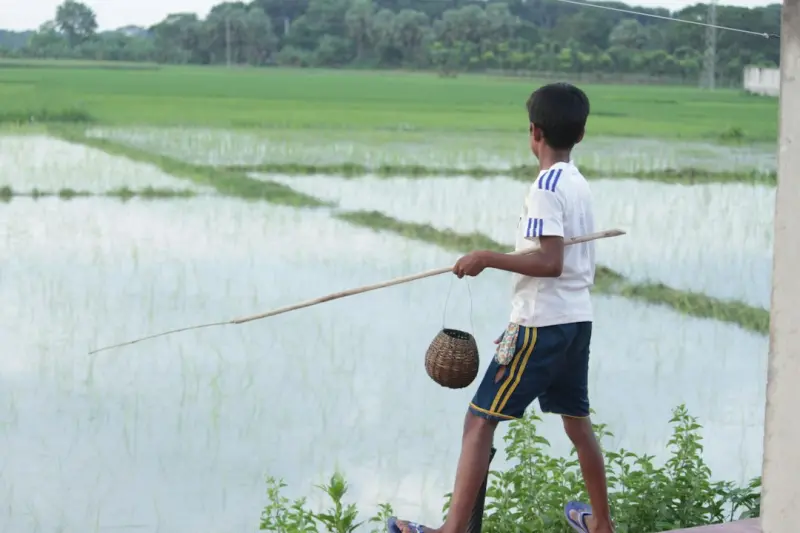
Reeling in the Future: Ontario’s Farm‑to‑Table Fish Revival
When I first grew up on the banks of the Grand River, the rhythm of the water dictated the cadence of my weekends. A simple line, a whisper of wind, and the occasional tug were enough to feel connected to something larger than myself. Decades later, that same river still calls, but the conversation has shifted. No longer is the focus solely on the catch; it’s about what happens after the fish lands on the dock, how it travels to the kitchen, and the stories it tells on the plate.
Why Ontario’s Anglers Are Turning Their Attention to the Plate
Ontario boasts more than 250,000 lakes and an extensive network of rivers—an aquatic pantry that has long fed local communities. Yet, for many years, most of the fish caught by recreational anglers never left the backyard grill or the family’s freezer. Today, a new wave of anglers‑turned‑chefs is redefining that trajectory. They’re championing a farm‑to‑table approach that celebrates regional species, reduces carbon footprints, and revitalizes small‑scale fisheries.
Several forces are converging to make this shift possible:
- Consumer demand for transparency: Shoppers are asking, “Where did this fish come from?” and “How was it caught?”
- Rising awareness of overfishing: Sustainable practices are no longer a niche; they’re a market expectation.
- Local culinary movements: Ontario’s farm‑to‑table restaurants are extending their ethos from land to water.
- Community‑driven processing hubs: Small co‑ops are popping up, offering clean, safe filleting and packaging services for hobbyist fishers.
From Lake to Lunch: The Journey of a Freshwater Fish
Imagine a Saturday morning on Lake St. Clair. The water is calm, the mist lifts, and you land a beautiful, silver‑hued walleye. In the past, you might have taken it home, seasoned it with a store‑bought rub, and tossed it on a grill. In the new model, that same walleye embarks on a curated journey:
- Clean Capture: Anglers use barbless hooks and practice catch‑and‑release when appropriate, ensuring the health of the population.
- Immediate Ice‑Down: A portable insulated cooler with reusable ice packs preserves freshness within minutes of landing.
- Community Processing: A short drive to a local fish‑processing co‑op where trained volunteers fillet the fish, remove bones, and portion it for sale.
- Traceable Packaging: Each package carries a QR code that links to a digital ledger, showing the lake of origin, date of capture, and the angler’s name.
- Chef Collaboration: Local chefs receive the fillets, pairing them with seasonal produce sourced from nearby farms, creating dishes that tell a complete regional story.
- Plate Presentation: The final plate arrives at a restaurant or farmer’s market, accompanied by a narrative card that celebrates the lake, the angler, and the sustainable methods used.
Spotlight on Ontario’s Emerging Fish‑Focused Co‑ops
Across the province, several community‑driven co‑ops have emerged to fill the processing gap. Here are three that stand out:
- Lakefront Fillet Collective (LFC) – Based near Kawartha Lakes, LFC offers state‑of‑the‑art filleting stations, free training workshops for anglers, and a subscription model that lets members pick up weekly boxes of locally caught fish.
- North Shore Sustainable Fisheries (NSSF) – Operating out of Thunder Bay, this co‑op partners with Indigenous knowledge‑keepers to ensure traditional sustainable harvest practices are integrated into modern processing.
- Rural River Revival (RRR) – Situated along the Rideau River, RRR focuses on low‑impact processing, using solar‑powered refrigeration and biodegradable packaging.
These co‑ops are more than just processing hubs; they’re community anchors that bring anglers, chefs, and consumers together, fostering a sense of shared stewardship over Ontario’s waters.
Chef‑Driven Innovation: Pairing Freshwater Flavors with Local Terroir
Ontario’s culinary scene has long celebrated its farm produce—think heirloom carrots, maple‑glazed pork, and artisanal cheeses. Now, chefs are extending that love to the province’s freshwater bounty. A few trends are shaping the way fish appears on menus:
- Flavor‑Forward Fillets: Chefs are experimenting with simple pan‑sears, letting the natural taste of walleye, northern pike, or lake trout shine, accented with herbs from nearby farms.
- Fermented Fin Creations: Inspired by traditional preservation methods, some kitchens are introducing lightly fermented fish sauces that add umami depth to dishes. The practice harks back to Indigenous smoked fish techniques while integrating modern culinary science.
- Cross‑Cultural Mash‑Ups: Fusion dishes that blend Ontario’s freshwater fish with global flavors—think Cajun‑spiced perch tacos or miso‑marinated pike—are gaining traction.
For inspiration on how data can empower these culinary experiments, check out Data‑Driven Dining: How Restaurants Are Turning Numbers Into Profit. Restaurants are now using point‑of‑sale analytics to predict which fish species will be most popular in a given season, helping co‑ops adjust their supply chain accordingly.
From Waste to Wonder: Turning By‑Products into Value
Every fish harvested yields more than just fillets. Heads, bones, and skins are often discarded, but forward‑thinking operators are finding ways to transform these “waste” streams into valuable products:
- Fish Stock and Broth: Simmered bones and heads produce rich, collagen‑packed broths that serve as bases for soups and sauces.
- Fish Oil Supplements: Small‑scale extraction yields omega‑3 rich oils, supporting local health stores.
- Leather‑Like Fin Leather: Processed fish skins can become durable, sustainable leather alternatives for fashion accessories.
This holistic approach mirrors the philosophy behind Fermenting the Future: Turning Kitchen Scraps into Culinary Gold, where nothing goes to waste and every ingredient is celebrated for its potential.
Seasonality and the Art of Planning Your Catch
Ontario’s diverse climate creates distinct fishing windows for each species. Understanding these windows helps anglers align their harvests with market demand, ensuring that the freshest fish lands on plates when chefs need them most.
| Species | Peak Season | Key Culinary Uses |
|---|---|---|
| Walleye | May – October | Pan‑seared, smoked, fish tacos |
| Lake Trout | June – September | Grilled, smoked, pâté |
| Northern Pike | July – November | Deep‑fried, stew, jerky |
| Smallmouth Bass | May – August | Pan‑roasted, ceviche |
| Sauge‑on‑la‑Lune (Muskellunge) | August – October | Whole roasted, fish‑steak |
By syncing fishing calendars with restaurant reservation systems, co‑ops can offer “seasonal fish nights,” where diners experience the freshest catch of the moment, reinforcing the farm‑to‑table narrative.
Economic Impact: Turning Hobby into Opportunity
While the average Ontario angler still fishes for leisure, the financial ripple of this movement is noteworthy:
- Supplemental Income: Anglers who sell excess fillets to co‑ops can earn anywhere from $15 to $30 per pound, turning a hobby into a modest side hustle.
- Job Creation: Processing hubs create roles ranging from filleting technicians to logistics coordinators and QR‑code data specialists.
- Tourism Boost: Culinary tours that combine guided fishing trips with cooking classes are attracting out‑of‑province visitors, injecting revenue into rural economies.
Technology as a Quiet Enabler
While this piece deliberately sidesteps the “data‑heavy” narrative covered in other posts, it’s impossible to ignore the subtle ways technology is supporting the farm‑to‑table fish revival. Mobile apps now allow anglers to log their catch, automatically generating the QR code for traceability. Simple cloud‑based inventory tools help co‑ops manage stock levels and coordinate deliveries to restaurants. The technology is background, but its impact is front‑and‑center.
For a broader view on how technology can empower niche industries, you might explore Beyond Taste: How Sensory Storytelling is Redefining the Restaurant Experience. The article demonstrates how storytelling—whether about a lake’s history or a fish’s journey—can elevate the dining experience.
Building Community Through Shared Meals
At its core, the farm‑to‑table fish movement is about people. When a community gathers around a table to enjoy a dish made from a fish caught just miles away, a powerful sense of place is reinforced. Community centers in towns like Port Perry and Bracebridge now host monthly “Fish & Fork” events, where local anglers share their stories, chefs demonstrate preparation techniques, and diners vote on their favorite dish of the night.
These gatherings do more than celebrate food; they nurture relationships, spark conversations about conservation, and create a collective identity centered around Ontario’s water heritage.
Challenges Ahead and How We Can Overcome Them
No movement is without its hurdles. The farm‑to‑table fish revival faces several obstacles:
- Regulatory Complexity: Navigating provincial fishing licences, food safety standards, and export regulations can be daunting for small operators.
- Cold Chain Logistics: Maintaining freshness from remote lakes to urban kitchens requires reliable refrigeration and transport solutions.
- Consumer Education: Many diners still associate “freshwater fish” with lower quality; shifting perception takes time.
Addressing these challenges will require collaboration:
- Advocacy groups can work with the Ministry of Natural Resources to simplify licence pathways for co‑ops.
- Investment in regional cold‑storage facilities, perhaps powered by renewable energy, can mitigate logistical bottlenecks.
- Marketing campaigns that highlight the unique flavor profiles and sustainable nature of Ontario’s freshwater species will gradually reshape consumer attitudes.
Getting Started: A Simple Checklist for Aspiring Fish‑to‑Table Enthusiasts
If you’re an angler curious about joining this movement, here’s a quick starter guide:
- Know Your Regulations: Review Ontario’s fishing season calendars and obtain the appropriate licence.
- Invest in Gear: A quality cooler, barbless hooks, and a basic filleting knife are essential.
- Connect with a Co‑op: Reach out to nearby processing hubs; many welcome new members.
- Document Your Catch: Use a smartphone app to log location, species, and time; this data fuels the QR traceability system.
- Partner with a Chef: Offer a few fillets to a local restaurant and discuss possible menu collaborations.
- Share the Story: Post photos, anecdotes, and the QR code link on social media to inspire others.
Every small step adds up, creating a ripple that can transform the entire province’s relationship with its freshwater resources.
Looking Ahead: A Sustainable Blueprint for Ontario’s Waters
The farm‑to‑table fish revival is still in its early chapters, but the momentum is undeniable. By aligning the passions of anglers, the expertise of chefs, and the stewardship of community co‑ops, Ontario can forge a resilient, locally rooted food system that honors both tradition and innovation. The next time you hear the gentle splash of a line hitting the water, imagine not just a fish on the hook, but a future plate, a thriving community, and a healthier lake.

Related Posts

Ontario Fishing: Secrets of the Lakes and Rivers
Discover how to read water temperature cues, select optimal gear, and honor local traditions for a r... Read More

When the Sun Sets: Ontario’s Night Fishing Boom and Its Ripple Effects
A deep look at Ontario’s rising night‑fishing craze, covering why anglers are drawn after dark, ... Read More

Casting Calm: Ontario Anglers Turn Fishing Into Mindful Therapy
Ontario anglers are redefining the pastime, using fishing as a mindful practice to boost mental heal... Read More
Top Posts

Canada’s Next Political Leap: Embracing Proportional Representation
A deep dive into why Canada needs to move away from first‑past‑the‑post, how proportional representation works, and concrete steps citizens can take to ch...Read More

Decoding the Tariff Labyrinth: A Practical Guide for Canadian Importers
Discover a step‑by‑step guide that turns tariff classification from a compliance headache into a strategic advantage for Canadian importers....Read More
Unlocking the Hidden Power of Meal Timing, Seasonality, and Food Pairing
Learn how meal timing, micro‑seasonal produce, and nutrient‑pairing strategies can transform everyday eating into a powerful health boost....Read More

The Dark Side of Rural Living: A Parental Warning
Rural living can be a peaceful and serene environment, but it also poses unique challenges and dangers. As a parent, it's essential to be aware of the potential...Read More
0 Comments
Post Comment
You will need to Login or Register to comment on this post!