

When I first stepped into a dimly lit bistro that greeted me with the scent of cedar smoke, the distant hum of a jazz trio, and a subtle mist that clung to the glassware, I realized I was experiencing something far beyond a traditional meal. It was a carefully orchestrated narrative, a story told not just with flavors but with light, sound, texture, and even the rhythm of the service. This is the emerging world of sensory storytelling in restaurants—a movement that invites diners to become protagonists in an immersive tale where every sense plays a starring role.
The Roots of a Multi‑Sensory Revolution
Restaurants have always been about more than just food; the clink of cutlery, the glow of candles, the murmurs of conversation—all contribute to the ambiance. Yet, for decades, the industry has treated these elements as background décor rather than core components of the culinary narrative. The shift began when visionary chefs started to ask, “What if the dining experience could be as compelling as a blockbuster film?” The answer was an interdisciplinary collaboration between chefs, designers, sound engineers, and even neuroscientists, all seeking to map the emotional pathways that a meal can trigger.
Early adopters experimented with lighting that mimicked sunrise to breakfast dishes, or used acoustic panels to amplify the sizzle of a steak as a percussive element. These experiments proved that when the senses are aligned, diners remember the experience far longer than the taste alone. And in an age where social media rewards the extraordinary, the stakes for creating unforgettable moments have never been higher.
Crafting the Narrative: From Concept to Plate
Creating a sensory story starts with a central theme—be it a season, a region, or an emotion. From there, every decision, from menu design to tableware, is filtered through that lens. For example, a coastal‑inspired menu might feature a subtle brine aroma wafting from the serving platters, a soft oceanic soundtrack, and even a gentle sea‑salt mist that activates the olfactory receptors before the first bite.
Chef‑owners are now consulting with fermentation experts to develop flavors that evolve on the palate, while also using the process as a storytelling device—highlighting sustainability and tradition in a single bite. The tactile aspect is equally important; plates with raised textures invite diners to run their fingertips over the food, creating a tactile prelude that primes the brain for taste.
Soundscapes: The Underrated Flavor Enhancer
Sound influences perception of flavor more than most diners realize. A high‑pitched, crisp sound can make a dish feel lighter, while deep bass tones can enhance the perception of richness. Some restaurants now employ custom‑composed playlists that shift tempo and genre in sync with the progression of the meal. A slow, melodic piano piece might accompany an appetizer, gradually giving way to a more energetic rhythm as the main course arrives, mirroring the crescendo of flavors.
Research from culinary neuroscientists shows that when diners hear music that aligns with the food’s cultural origins, their satisfaction scores rise by up to 20%. This synergy between auditory cues and taste is a key pillar of sensory storytelling, turning an ordinary dinner into a curated performance.
Lighting & Visual Storytelling
Lighting design has moved beyond functional illumination to become a narrative tool. Warm amber tones can evoke nostalgia, while cool blues may transport guests to a modern, minimalist setting. Some establishments experiment with dynamic lighting that shifts throughout the evening, subtly guiding diners through the emotional arc of the menu.
Projection mapping is also gaining traction. Imagine a dessert served on a plate where a delicate animation of falling cherry blossoms unfolds as the fork approaches. This visual cue not only delights but reinforces the story behind the ingredients—perhaps a nod to the chef’s hometown orchard.
Tactile Elements: The Power of Touch
While sight and sound often steal the spotlight, touch is a powerful, underutilized sense in dining. Textured table linens, handcrafted wooden utensils, and even temperature‑controlled surfaces can influence how diners perceive food. A cool marble slab for serving sushi, for instance, heightens the perception of freshness, while a warm stone bowl for ramen reinforces comfort.
Even the act of handling food—such as tearing a piece of bread or squeezing a fresh herb—engages the diners’ hands, creating a deeper connection to the dish and enhancing overall satisfaction.
Sustainability Meets Storytelling
Modern diners increasingly demand transparency and sustainability. Sensory storytelling offers a platform to communicate these values without preaching. By incorporating locally sourced ingredients and highlighting their origins through visual and auditory cues, restaurants can weave sustainability into the narrative.
For instance, a farm‑to‑table eatery might display a short video loop of the nearby fields where the vegetables were harvested, accompanied by the natural sounds of that environment. This not only educates guests but also creates an emotional bond with the food’s provenance. To deepen that connection, some chefs partner with agricultural innovators, like those featured in real‑time data farming initiatives, to showcase the journey from seed to plate in an interactive format.
Technology Without Distraction
While technology can enhance sensory experiences, it must be used judiciously. Overreliance on screens or overly intrusive gadgets can break immersion. The most successful establishments integrate tech subtly—using Bluetooth‑enabled speakers for precise sound control, or smart lighting systems that adjust hue based on the dish being served, all managed behind the scenes.
Even data analytics play a role, albeit quietly. By analyzing guest feedback on sensory elements, restaurants refine their storytelling arcs. This approach differs from the overt data‑driven dining models that focus primarily on sales metrics; here, data serves to perfect the emotional resonance of each course.
Training the Team: From Servers to Sommeliers
To deliver a cohesive sensory narrative, every staff member must become a storyteller. Servers learn to describe the aroma of a dish, the texture of a garnish, and the intended soundscape. Sommeliers pair wines not just based on flavor profiles but also on how the wine’s mouthfeel interacts with the tactile elements of the meal.
Regular workshops, often led by sensory psychologists, help staff fine‑tune their own senses, ensuring they can convey the intended experience authentically. This internal alignment translates to a seamless guest journey, where every touchpoint reinforces the overarching narrative.
The Business Case: Loyalty, Word‑of‑Mouth, and Revenue
From a commercial perspective, sensory storytelling drives repeat visits and social sharing. Guests who feel emotionally moved are more likely to post about their experience, generating organic buzz that no traditional advertising can match. Moreover, the premium pricing associated with immersive experiences can justify higher menu costs, especially when the story adds perceived value.
Restaurants that have embraced this approach report a 15‑30% increase in average check size and a notable rise in reservation bookings months in advance. The key is consistency—delivering a story that evolves but stays true to the brand’s core identity.
Looking Ahead: The Future of Sensory Dining
The next frontier may involve augmented reality (AR) glasses that overlay visual narratives onto the plate, or AI‑generated soundtracks that adapt in real time to the pace of the meal. However, the heart of sensory storytelling will remain human—rooted in cultural heritage, personal memory, and the timeless desire to be moved by a meal.
As chefs and restaurateurs continue to push the boundaries of what a dining experience can be, one thing is clear: the future of restaurants lies not just in what we eat, but in how we feel, hear, see, and touch every moment of the journey. Embracing this holistic approach promises a richer, more memorable culinary landscape for both diners and the industry alike.

Related Posts

The Rise of Hyper‑Local Pop‑Up Kitchens: A Fresh Take on Dining
Discover why pop‑up kitchens are the new mainstay in dining, blending flexibility, technology, and... Read More

Why Community Pop‑Ups Are the Next Big Thing for Restaurants
Community pop‑ups blend low‑cost flexibility with deep neighborhood ties, turning experimental m... Read More
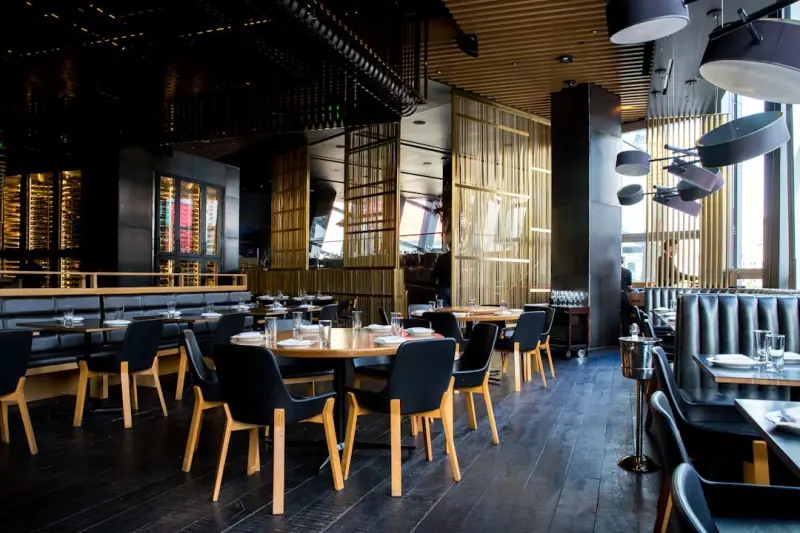
Beyond Taste: Restaurants Craft Immersive Experiences
Megan Morris explores the surge of immersive dining, where restaurants blend ambiance, aroma, sound,... Read More
Top Posts

The Next Harvest: How Canadian Farmers Are Harnessing Collaborative Tech for Resilience
Canadian farmers are shifting from isolated operations to collaborative networks, sharing equipment, data, and market access through innovative platforms that e...Read More

Midnight Rails and Moonlit Skies: Reimagining Travel After Dark
Explore why traveling at night—through sleeper trains, red‑eye flights, and moonlit itineraries—offers unique sensory experiences, sustainable benefits, a...Read More

Chart Your Own Story: Blending Cruise Luxury with Bus Adventure for the Curious Traveler
Explore the art of merging cruise elegance with bus‑tour adventure, creating a story‑driven journey that balances comfort, culture, and community for the mo...Read More

Parental Warning: The Hidden Hazards of Overscheduling and Digital Overload
Kids today juggle endless activities and endless screens. This warning uncovers how that hidden pressure erodes play, imagination, and mental health—offering ...Read More
0 Comments
Post Comment
You will need to Login or Register to comment on this post!