

Finding Balance in the Fields: A Personal Look at Mental Wellness on Canadian Farms
When I first stepped onto my grandparents’ 150‑acre wheat farm in southern Ontario, the horizon stretched out in an unbroken line of green and gold. The sunrise painted the sky with soft pastels, and the only sounds were the low hum of a tractor and the occasional crow. It was a place of hard work, deep roots, and, as I’ve come to understand over the years, a quiet undercurrent of emotional strain that many of us who live the farming life keep hidden behind the rows of crops.
My name is Ann Cinzar, and I’ve spent the last decade moving between the fields and the conference rooms of agricultural NGOs, policy think‑tanks, and community radio stations. I’ve watched a generation of growers grapple with unprecedented market volatility, climate surprises, and the relentless push toward digital transformation. Yet, one story often goes untold: the mental health journey of the people who feed our nation.
In this post I’ll share the patterns I’ve observed, the innovative solutions sprouting across the country, and a few practical steps any farmer—or anyone who loves a farmer—can take to nurture a healthier, more resilient mindset. Along the way I’ll point you to some of the work already being done on our blog, such as the family‑farm resilience movement and the tech‑forward outlook highlighted in From Soil to Silicon. The goal isn’t to prescribe a one‑size‑fits‑all remedy, but to illuminate pathways that are already proving effective for farmers across the prairie, the Maritimes, and the mountains.
Why Mental Health Has Been the Quiet Crisis
Farming is a high‑stakes profession. A single frost can erase a season’s worth of labor; a price swing in the global grain market can turn a profitable year into a loss overnight. Add to that the isolation that comes with living miles away from the nearest neighbour, the physical toll of long hours in all weather, and the generational pressure to keep the family legacy alive.
Statistics from the Canadian Centre for Occupational Health and Safety tell us that farmers are up to three times more likely to experience severe stress, anxiety, or depression compared to the general population. Yet, cultural norms on the farm have long equated stoicism with strength. The phrase “tough as a sack of potatoes” still haunts many conversations, making it difficult for someone to admit they need help.
These factors combine into a perfect storm:
- Economic uncertainty – volatile commodity prices and rising input costs.
- Environmental volatility – unpredictable weather, pest outbreaks, and the growing urgency of climate adaptation.
- Social isolation – physical distance from peers, limited access to mental‑health services in rural zones.
- Generational transition stress – handing over the reins to the next generation while preserving the farm’s financial viability.
All of these stressors can manifest as sleepless nights, irritability, or even more serious outcomes such as substance misuse. Recognizing the problem is the first step; the next is to build a support system that fits the realities of farm life.
Community‑Based Peer Networks: The Power of Shared Stories
One of the most promising developments in recent years has been the rise of farmer‑led peer support groups. Unlike generic counselling services, these groups speak the language of the land. They meet at community halls, on‑farm potlucks, or even over Zoom when the snow makes travel impossible.
Take the Prairie Harvest Circle in Saskatchewan, for example. Started by a group of grain growers who felt “alone in the field,” the Circle meets monthly to discuss everything from market forecasts to coping strategies after a bad season. Participants report that hearing a neighbour’s story of a successful cover‑crop transition or a shared struggle with a buggy pest dramatically reduces feelings of isolation.
These circles have an added benefit: they often become incubators for practical knowledge exchange. A farmer who successfully implemented a low‑cost drip‑irrigation system might share the blueprint, while another who navigated a mental‑health leave with their insurance provider can demystify the paperwork. The result is a community that not only cares about emotional wellbeing but also empowers members with tangible tools.
Digital Platforms Tailored for Rural Minds
The same technology that’s reshaping how we plant, harvest, and sell food is now being harnessed to support mental health. Mobile apps such as FarmMind (still in beta) combine mood‑tracking, crisis‑hotline access, and a moderated forum where farmers can anonymously post their concerns. The app’s developers collaborated closely with agricultural extension officers to ensure the language feels authentic, avoiding clinical jargon that can feel alienating.
Another noteworthy initiative is the Rural Resilience Hub, an online portal that aggregates resources from provincial health ministries, agricultural insurers, and non‑profits. Users can schedule tele‑health appointments with psychologists who specialize in agricultural stress, access short video modules on stress‑management techniques, and even book virtual farm‑walks where a mental‑health professional joins the farmer on the field via a live video feed.
These platforms are not a replacement for face‑to‑face care, but they bridge the gap for those who live hours away from the nearest clinic. The anonymity they offer also helps break the stigma that many farmers feel about seeking help.
Integrating Mental Wellness Into Farm Management Plans
Just as a farmer would outline a crop rotation schedule, an emerging best practice is to embed mental‑wellness checkpoints into the annual farm plan. Here’s a simple framework that several agronomists have begun recommending:
- Seasonal Check‑In – At the start of each major season (planting, growing, harvest, off‑season), allocate a half‑day for a personal reflection session. Ask yourself: What are my biggest stressors? What resources do I have?
- Support‑Network Mapping – List the people you can turn to: family, neighbours, extension officers, mental‑health professionals, online forums. Keep this list visible in the office or on the tractor cab.
- Stress‑Reduction Activities – Identify low‑cost, high‑impact actions: a 10‑minute walk after a long haul, a weekly phone call with a fellow farmer, or a brief meditation before sunrise.
- Financial Buffer Review – Work with your accountant to maintain a cash reserve that can cushion unexpected market dips, reducing the financial anxiety that often fuels mental strain.
- Training & Education – Schedule at least one workshop per year on mental‑health awareness, either through local agricultural colleges or community health centres.
This structured approach transforms mental wellness from a vague “feel‑good” idea into an actionable component of farm stewardship.
Policy Shifts: From Awareness to Action
At the provincial level, several governments have begun to recognize the need for systemic support. In British Columbia, the Ministry of Agriculture introduced a “Farmer Well‑Being Grant” that subsidizes the cost of mental‑health services for primary producers. Meanwhile, Ontario’s Agricultural Health Initiative has partnered with the College of Family Physicians to train doctors in the unique stressors faced by rural clients.
These policy moves are critical because they signal that mental health is not a personal failing but a public concern. They also open doors for insurance carriers to include mental‑health coverage in standard farm insurance packages, a development that could dramatically lower the barrier to seeking professional help.
Stories of Hope: Farmers Who’ve Turned the Tide
To illustrate how these strategies play out in real life, I’d like to share two brief case studies that have been shared with me over the past year.
Case Study 1: Maya’s Dairy Farm in New Brunswick
Maya took over her family’s 75‑head dairy operation after her father retired. The transition was emotionally taxing; she felt pressure to honor tradition while modernizing the herd. Maya joined a regional “Farmers & Friends” peer group, where she discovered a simple practice that made a huge difference: a weekly “coffee hour” with a mental‑health counselor who visited the group in person.
Through these sessions, Maya learned to set realistic production goals, delegate tasks to her husband and staff, and, most importantly, speak openly about the anxiety she felt during the calving season. Within six months, she reported a 30% reduction in stress‑related absenteeism and a noticeable improvement in herd health, attributed to her calmer decision‑making.
Case Study 2: Carlos’s Mixed‑Crop Farm in Alberta
Carlos runs a 200‑acre mixed‑crop operation that includes canola, lentils, and a small orchard. After a severe hailstorm damaged 40% of his canola fields, he spiraled into a depressive episode. A friend recommended the From Soil to Silicon article, which introduced him to an AI‑driven farm management platform that also featured a built‑in mental‑wellness dashboard.
Using the platform, Carlos could see a visual “stress index” based on workload, weather alerts, and market news. When the index spiked, the system prompted a short guided breathing exercise and offered a link to a local therapist. Over the next year, Carlos used the dashboard to proactively manage his workload, and his farm’s profitability recovered as he made more data‑informed, less reactive decisions.
Practical Tips for Every Farmer
Whether you’re a seasoned producer or just starting out, the following checklist can serve as a quick reference for building mental resilience:
- Talk openly – Share your feelings with trusted family members or peers. Vulnerability is a strength.
- Schedule breaks – Even a five‑minute pause every hour can reset cortisol levels.
- Stay physically active – Regular exercise, even a brisk walk around the fields, improves mood.
- Limit information overload – Set specific times to check market news; constant scrolling fuels anxiety.
- Use technology wisely – Leverage apps designed for farm mental health, but be wary of excessive screen time.
- Connect with nature beyond work – Spend time in the field without the pressure of productivity; simply observe.
- Seek professional help when needed – There’s no shame in consulting a psychologist, especially one familiar with agricultural contexts.
Looking Ahead: A Vision of Healthy Harvests
When we talk about the future of Canadian agriculture, the conversation often circles around yield, sustainability, and market access. I’d argue that the next frontier is equally about the farmer’s inner landscape. A healthy mind cultivates a healthier farm, which in turn feeds a healthier nation.
Imagine a world where every farm has a mental‑wellness plan attached to its operating budget, where peer circles are as standard as equipment maintenance schedules, and where provincial policies guarantee affordable counseling as part of agricultural support packages. That future isn’t a far‑off fantasy; it’s already taking root in the stories I’ve heard across the country.
If you’re a farmer, a policy‑maker, a supplier, or simply someone who cares about the people who bring food to our tables, consider how you can contribute to this growing movement. Join a local circle, explore a farm‑focused mental‑health app, or advocate for better support services in your community. Small steps add up, and together we can ensure that the next generation of Canadian farmers not only feeds the nation but does so with a sense of peace, purpose, and pride.
For further reading on how Canadian farmers are already innovating in other areas, check out our piece on family farms fueling resilience. The same spirit of adaptation and collaboration that drives those stories is exactly what we need to nurture mental wellness across our agricultural landscape.

Related Posts
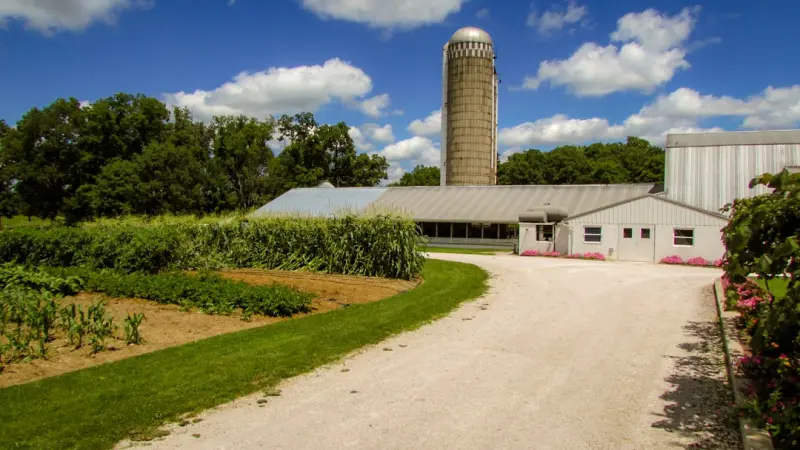
Beyond the Fields: Building Community‑First Food Networks
Canadian farmers are forging community‑first food networks—direct subscriptions, collaborative p... Read More
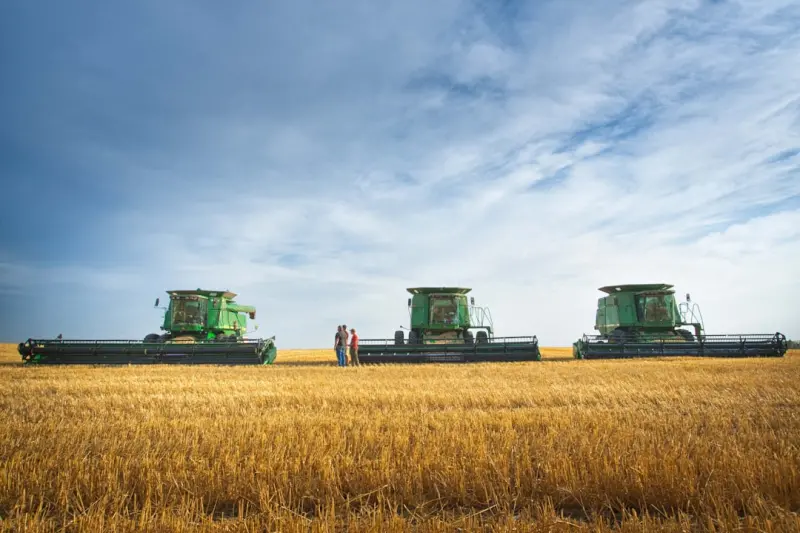
Reaping the Future: How Canadian Farmers Turn Soil Into Digital Gold
From high‑resolution soil dashboards to solar‑powered barns, Canadian farmers are merging age‑... Read More
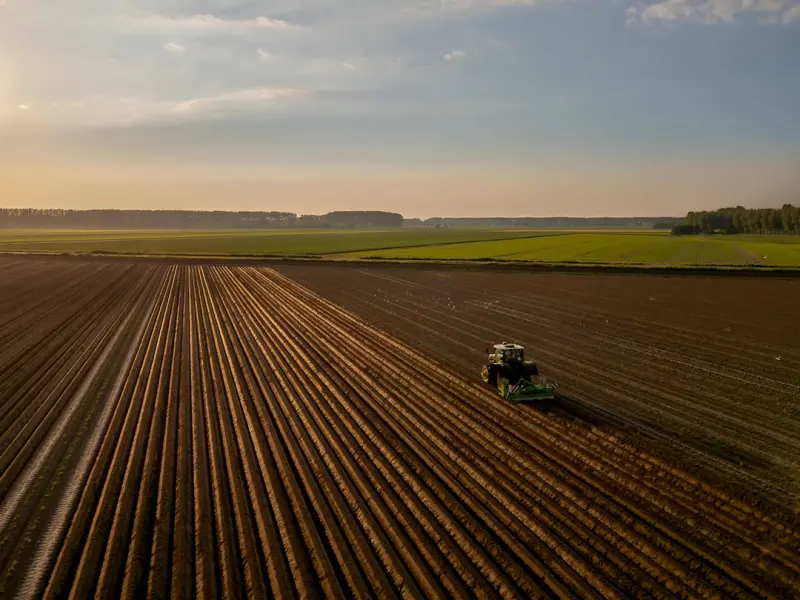
Regenerative Roots: How Canadian Farmers Turn Soil into Climate Solutions
Canadian farmers are reshaping agriculture by adopting regenerative methods that improve soil health... Read More
Top Posts

Ontario’s Fishing Tech Revolution: Casting Smarter, Not Harder
Discover the rise of modern fishing tools in Ontario—from smartphone apps to drone scouting—and learn how they’re making angling smarter, safer, and more ...Read More

The Community‑First Playbook for Tackling Cost‑of‑Living Pressures
A fresh, community‑focused strategy shows how cooperative buying, AI‑driven budgeting, and transparent workplace practices can empower employees to tackle c...Read More

Insight‑Infused Prom & Graduation Planning: From Stress to Celebration
A modern guide to prom and graduation that blends strategic budgeting, tech tools, and heartfelt moments, helping families create memorable milestones without t...Read More

Ontario’s Hidden Fishing Havens: A Local’s Guide to Secret Waters
Discover five secret Ontario fishing spots, practical gear tips, seasonal strategies, and conservation advice that will transform your angling adventures....Read More
0 Comments
Post Comment
You will need to Login or Register to comment on this post!